


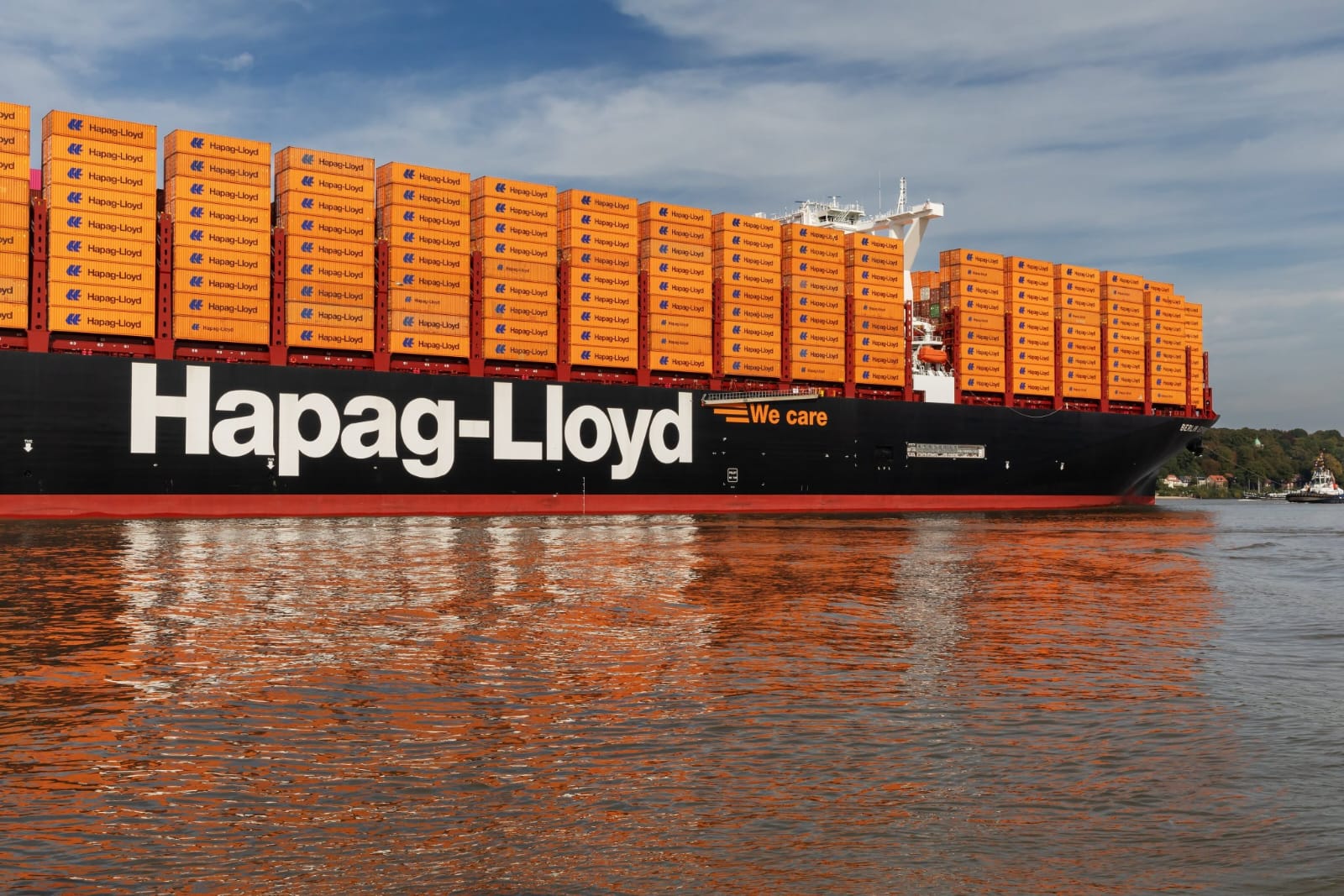
Hapag-Lloyd’s has launched a special program dubbed “Shefarer Program” that is aimed at attracting and retaining more women in the seafaring professions.
For centuries, shipping has remained one of the world’s most male-dominated professions. While global trade has evolved through technology, digitalization, and environmental reforms, gender representation at sea has lagged stubbornly behind.
Against that backdrop, Hapag-Lloyd’s commitment to structurally increase women’s participation aboard its vessels deserves recognition—not as a symbolic gesture, but as a practical intervention with long-term implications for the future of shipping.
The company’s decision to reserve at least 20 percent of new trainee intakes for female cadets stands out as the program’s strongest pillar. This is not passive encouragement; it is measurable policy. It introduces accountability into an area where good intentions have too often failed to translate into recruitment numbers.
The maritime sector has over the years spoken of attracting talent, retaining skilled seafarers, and addressing labor shortages. However, one of the largest untapped talent pools—women—remains significantly underrepresented.
With women currently making up only 5.71 percent of Hapag-Lloyd’s crew, and just four women serving as captains across the fleet, the numbers reflect an industry-wide imbalance, not an isolated company issue.
The “Shefarer Program” does not ignore that reality. It confronts it.
Equally important is the concept of dedicated “Shefarer vessels,” where several women seafarers will serve together across ranks and departments. This move recognizes a truth often overlooked in maritime workforce planning: representation is not only about recruitment—it is also about retention.
For many women at sea, isolation remains a professional challenge. Being the only woman onboard can create barriers that extend beyond operational duties—social integration, mentorship, career visibility, and even everyday comfort become factors that influence whether a seafarer stays in the profession. By ensuring women are not “the exception” onboard, Hapag-Lloyd is attempting to normalize female presence at sea, not merely accommodate it.
That distinction is critical. It shifts the conversation from inclusion as tolerance to inclusion as culture.
The program’s infrastructure component—adding separate changing rooms, showers, and toilets on newbuild vessels—may seem simple, but it is deeply practical. Maritime inclusion cannot succeed through policy alone; ships themselves must be designed with diverse crews in mind. The built environment onboard has historically reflected assumptions about who ships were designed for. Updating that environment reflects modern realities and sends a clear message to future cadets: there is a place for you here.
Beyond Hapag-Lloyd itself, the program could carry wider influence across the industry. Global shipping remains under pressure to modernize not just fleets, but workplace culture. The next generation entering maritime academies increasingly expects professional environments defined by equal opportunity, respect, and visible career pathways. Shipping companies that understand this will be better positioned to attract skilled officers and engineers in a competitive labor market.
This is especially relevant for maritime education and training institutions worldwide—from Mount Kenya University Maritime Academy, Bandari Maritime Academy, and the Technical University of Mombasa in Kenya, to training academies in the Philippines, India, and Europe—where more young women are considering careers at sea but still need visible proof that the industry is ready to receive them.
Representation at sea creates aspiration onshore. A young cadet is more likely to pursue navigation or marine engineering when she sees women serving not only as trainees, but as chief officers, engineers, and captains.
What Hapag-Lloyd has introduced may not solve the maritime gender gap overnight. Structural inequalities built over generations rarely disappear through one program. Success will ultimately depend on consistency—whether targets are maintained, mentorship is strengthened, career progression is monitored, and women remain supported beyond cadetship.
But the significance lies in the fact that a major global carrier has publicly committed itself with targets, resources, and operational adjustments. That creates momentum.
The maritime industry often defines itself by resilience, adaptability, and global connectivity. Those values must also apply to its workforce. The future seafarer workforce cannot be built from half the available talent.
The “Shefarer Program” is therefore not simply about women in shipping—it is about the future competitiveness of shipping itself. If replicated across fleets worldwide, it could help redefine who belongs at sea.
And for an industry built on movement, that would be progress worth navigating toward.
Catherine Nekesa is an Independent Consultant and Contributor for The Maritime Business Review.