


Kenya’s maritime sector stands at a pivotal moment. While Mombasa Port remains the heartbeat of our economy, handling the bulk of regional cargo and sustaining thousands of livelihoods, the numbers at anchorage tell a story of pressure that deserves attention.
Based on current shipping schedules and industry reports, the port of Mombasa is experiencing significant congestion. Within the next fourteen days, 42 vessels are scheduled to dock. This incoming traffic includes 23 container ships, 15 conventional cargo vessels, 3 oil tankers, and 1 car carrier.
Currently, vessels face an average waiting time of approximately 4.5 days before berthing. These queues translate to real costs: the Kenya Ship Agents Association estimates one ship delayed costs roughly $60,000 per day (approximately Ksh 7.7 million), while each container trapped carries an opportunity cost of $80 to $300 per day.
The delays stem from yard density, equipment constraints, slow evacuation of empty containers, and recent logistical disruptions such as strike actions and flood-damaged highways.
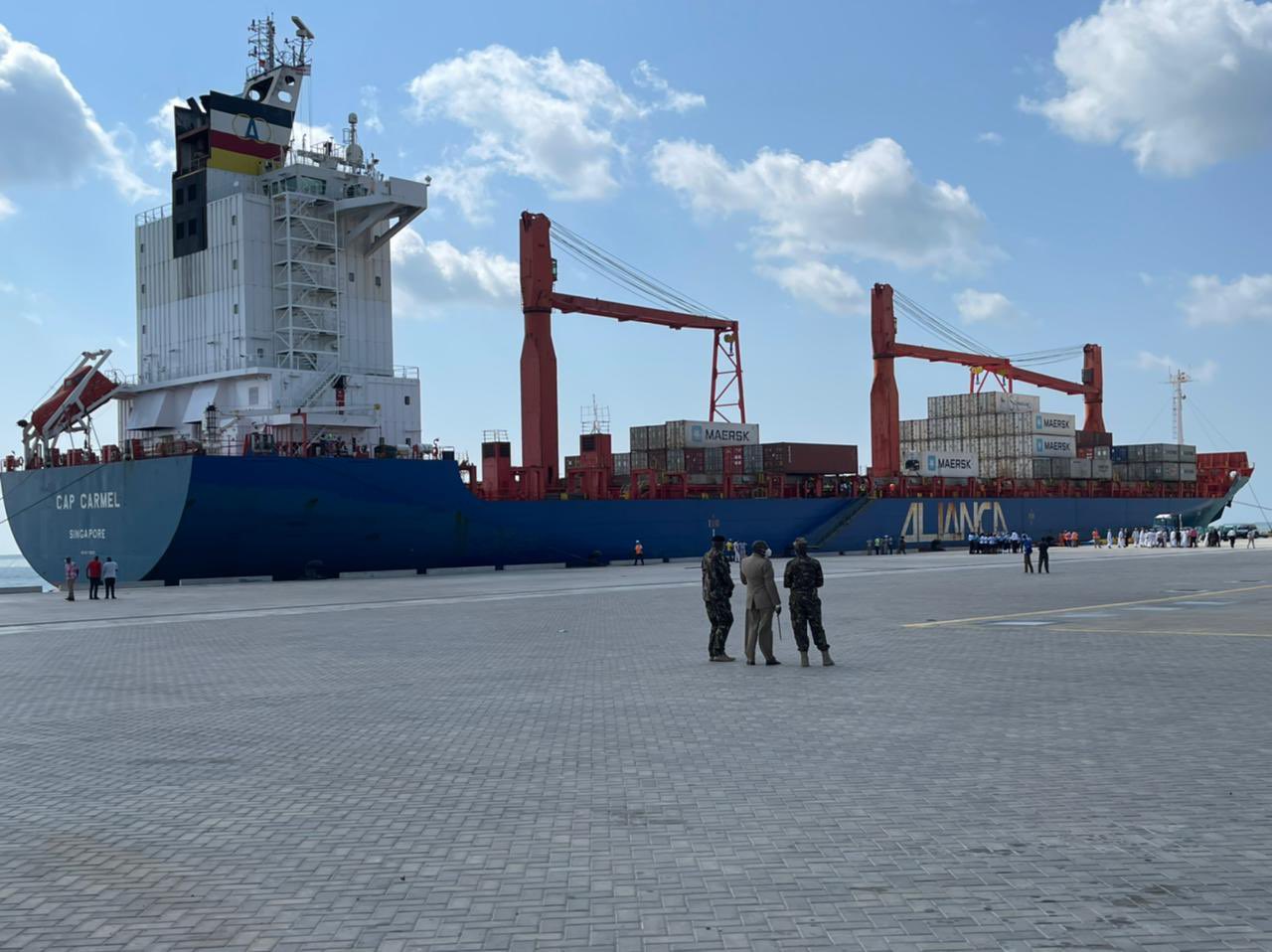
In this context, Lamu Port offers a timely opportunity to complement Mombasa, not compete with it. With operational berths, a deep draft of 17.5 metres, and available land, Lamu can play a strategic role in easing congestion and expanding Kenya’s maritime capacity.
Recognising Mombasa’s central role while addressing capacity pressures is essential. Mombasa Port has served Kenya with dedication, moving over 3,500 TEUs daily and supporting the northern corridor to Uganda, Rwanda, South Sudan, and DRC. The current queues reflect success – cargo volumes have grown faster than infrastructure in some areas. A second functional port provides flexibility when demand peaks or global disruptions occur.
Developing Lamu Port as a complementary hub, powered by Kenyan talent, is the logical next step. Lamu Port, developed under LAPSSET, is well positioned to handle cargo streams that can ease pressure on Mombasa.
Its deep berths can accommodate larger vessels, and its location serves northern Kenya, Ethiopia, and South Sudan efficiently. To unlock this potential, two measured steps would make a difference. First, phased equipment deployment: prioritise mobile harbour cranes, yard handling equipment, and a robust terminal operating system at Lamu.
Where procurement timelines are long, short-term leasing could allow operations to scale quickly. Second, targeted manpower support from our training institutions. Kenya has strong maritime and technical institutions.
Lamu’s growth should be anchored by Kenyan professionals. The Bandari Maritime Academy can lead deck, engine, and port operations cadets through structured internships. Mount Kenya University Maritime Academy can deploy graduates in maritime transport, logistics, and port management for terminal planning and cargo documentation.
The Technical University of Mombasa can provide equipment technicians, marine engineers, and IT specialists critical for maintaining cranes and terminal systems. The Kenya Coast National Polytechnic can rapidly upskill Lamu youth in crane operation, lashing, and safety, creating jobs for host communities.
A structured rotation of experienced KPA planners, pilots, and stevedores, paired with graduates and trainees from these institutions, would build Lamu’s workforce while giving students practical exposure.
Encouraging cargo diversification through partnership is equally important. With KPA, KRA, shipping lines, cargo owners, and training institutions working together, certain cargo can be routed via Lamu to reduce the pressure on Mombasa. This includes transshipment and empty container movements, bulk cargo for northern Kenya and landlocked neighbours, and non-time-sensitive shipments. Modest incentives like temporary tariff adjustments or berthing priority for new services would encourage shipping lines to trial Lamu. Once frequency and reliability are proven, cargo follows.
We respectfully urge the Government of Kenya, through the Ministry of Mining, Blue Economy & Maritime Affairs and KPA, to allocate resources for immediate equipment deployment at Lamu, facilitate structured manpower posting and internship placements from BMA, Mount Kenya University Maritime Academy, Technical University of Mombasa, and KCNP, and coordinate with stakeholders on a cargo-diversification plan using the congestion data above as a baseline for measuring progress.
Strengthening Lamu does not diminish Mombasa; it protects it. With 42 vessels expected and waiting times at nearly five days, spreading cargo across two functional ports spreads risk, improves service, and creates opportunities for youth and communities. Mombasa will continue to thrive as our premier port, while Lamu grows into a valuable partner, staffed by Kenya’s own maritime professionals. The sea rewards foresight. By equipping Lamu and investing in our people today, we secure smoother trade, lower costs, and a stronger maritime future for all Kenyans.