


Every day, more than 80 percent of global trade moves by sea. The ships that carry our food, fuel, medicine, and manufactured goods are rightly celebrated as engines of globalization and economic connectivity.
And behind every vessel crossing the oceans stands a workforce whose sacrifices remain largely invisible. The modern seafarer — indispensable to world commerce — continues to endure conditions that would be unacceptable in most other professions.
The maritime industry often speaks proudly of crew welfare, mental health awareness, and adherence to international labor standards. But the reality experienced by many seafarers tells a very different story.
The growing denial of shore leave, the increasing exposure of crews to geopolitical conflicts, and the recurring abandonment of seafarers aboard distressed vessels expose a widening chasm between industry rhetoric and operational reality.
Nowhere is this contradiction more evident than in the issue of shore leave. For generations, the opportunity to step ashore after weeks or months at sea has been regarded not merely as a privilege, but as an essential component of maritime life. It allows seafarers to rest, reconnect with the outside world, access services, and preserve their mental wellbeing.
Today, many crews find themselves confined to their vessels under a growing list of justifications — from private terminal restrictions to outdated health protocols. As documented repeatedly, numerous seafarers have effectively become prisoners aboard their own ships, even as international conventions recognize their right to shore leave.
The consequences extend far beyond inconvenience. Prolonged confinement fuels fatigue, stress, depression, and deteriorating mental health. An exhausted and psychologically strained workforce is not only a humanitarian concern but also a serious safety risk. Maritime accidents are frequently linked to human factors, and denying seafarers basic opportunities for rest and recreation undermines the very safety culture that regulators and shipping companies claim to champion.
The plight of seafarers becomes even graver when they find themselves caught in the crossfire of geopolitical disputes. Recent incidents involving Indian-crewed tankers operating in conflict-affected waters demonstrate how ordinary mariners often bear the consequences of decisions made far above their pay grade. These individuals are neither policymakers nor military actors. They are workers performing professional duties — yet they increasingly navigate some of the world’s most dangerous maritime corridors. The deaths of seafarers and attacks on merchant vessels serve as a grim reminder that the oceans remain a frontline in global political and economic confrontations.
The international community has long recognized the principle that seafarers should never become collateral damage in political disputes. However, the increasing militarization of strategic waterways and the use of commercial shipping as leverage in geopolitical conflicts threaten to erode this principle. Governments and international organizations must redouble their efforts to protect civilian mariners and ensure that commercial shipping is insulated from political confrontation wherever possible.
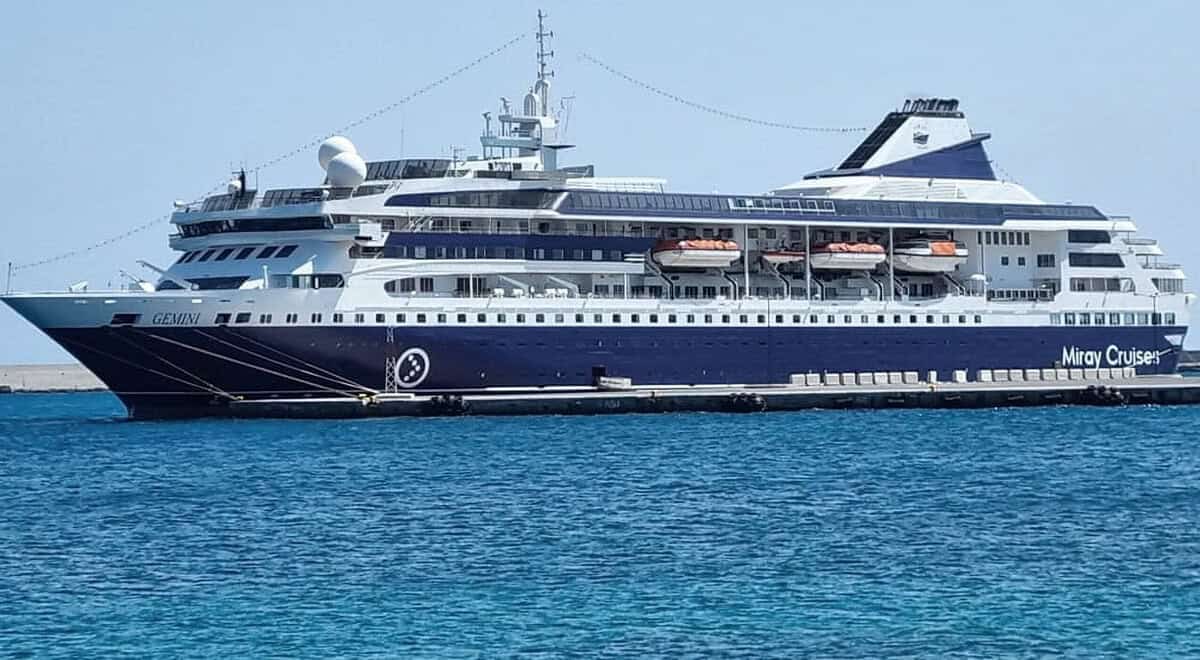
Equally disturbing is the recurring phenomenon of crew abandonment. The case of the cruise vessel Gemini, where crew members reportedly remained unpaid for months while the vessel faced financial and legal challenges, reflects a broader pattern that continues to plague the shipping industry. When shipowners encounter financial distress, it is often the crew who suffer first and most severely. Unpaid wages, dwindling supplies, uncertain repatriation arrangements, and prolonged periods aboard detained vessels remain far too common.
Such situations represent a profound failure of accountability. Maritime labor conventions provide protections for seafarers, yet enforcement remains inconsistent across jurisdictions. Too often, shipowners exploit regulatory loopholes, weak flag-state oversight, and complex ownership structures to evade their responsibilities. The result is a system in which those who keep global trade moving are left vulnerable when commercial ventures collapse.
The maritime sector must confront an uncomfortable truth: seafarers are frequently treated as operational assets rather than human beings. Industry discussions focus extensively on efficiency, decarbonization, digitalization, and supply chain resilience — all important priorities. Yet these ambitions cannot be achieved sustainably if the welfare of the workforce remains an afterthought.
Governments, flag states, port states, shipowners, charterers, and terminal operators all share responsibility for reversing this trend. Shore leave must be protected and facilitated. Crew welfare audits should become as rigorous as technical inspections. Abandonment cases must trigger swift legal intervention and financial guarantees. Most importantly, seafarers must be recognized not simply as labor inputs, but as the backbone of international trade.
As the maritime industry navigates an era of unprecedented transformation — from geopolitical uncertainty to environmental transition — it must not lose sight of the people at the heart of its success. Every container delivered, every cargo discharged, and every voyage completed depends on the dedication of men and women who spend months away from their families to keep the world economy functioning.
The measure of a truly modern maritime industry will not be found solely in its technology, profitability, or efficiency. It will be found in how it treats the seafarers upon whom everything else depends. Until the welfare, dignity, and rights of seafarers are placed at the centre of maritime governance, the industry’s claims of progress will remain incomplete.
The world relies on seafarers every day. It is time the world stood firmly behind them.