


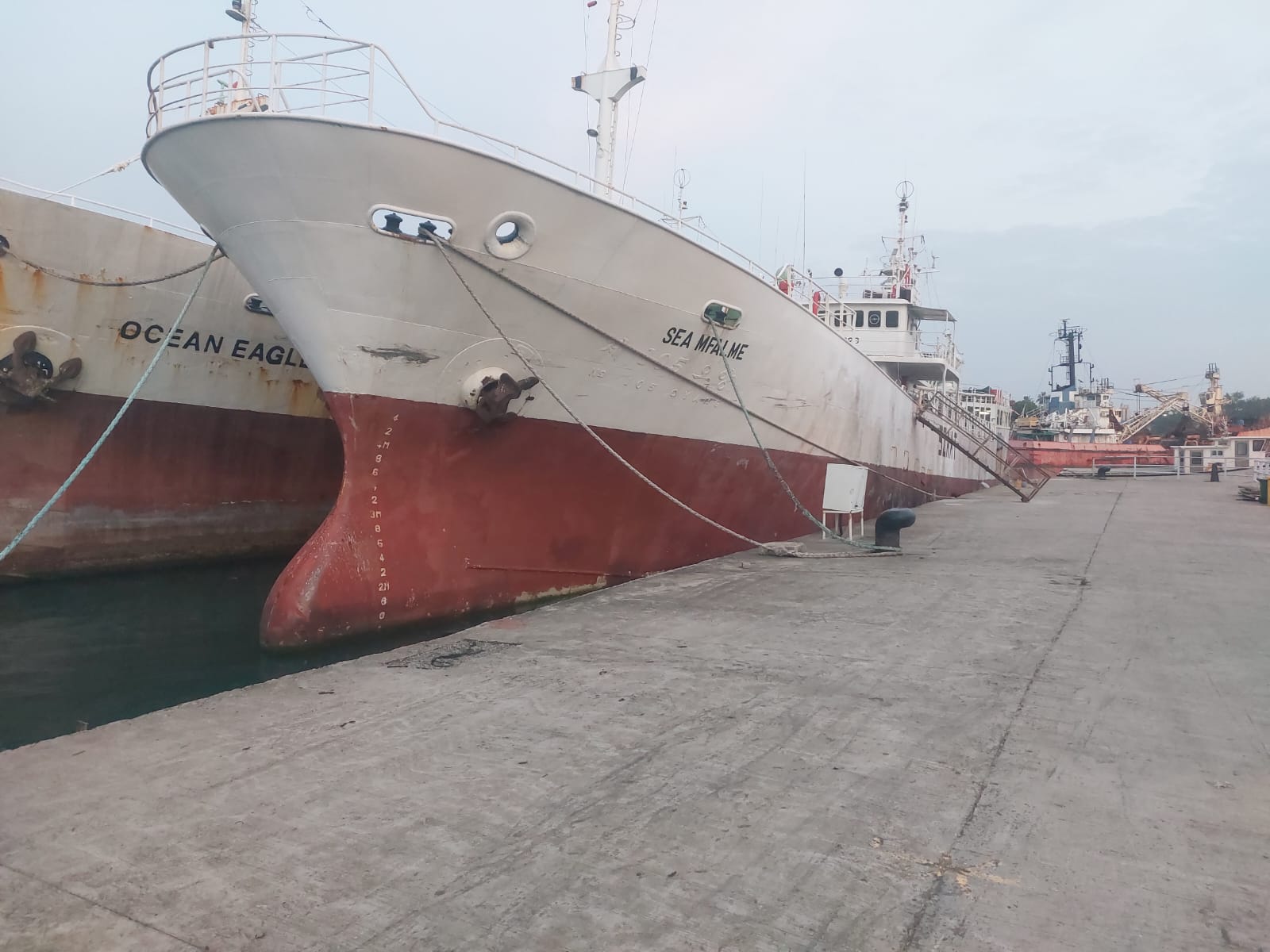
At least 70 undocumented migrants aboard the Kenyan-flagged fishing vessel Sea Mfalme were arrested at Kilwa Masoko, Tanzania, on March 31, 2026.
This arrest is a sobering reminder that beneath the deceptively calm surface of East Africa’s coastal trade lies a complex, evolving ecosystem of human mobility, economic desperation, and maritime vulnerability; more so because the interception occurred at a relatively obscure port—far from the high-traffic scrutiny of Dar es Salaam or Mombasa.
The incidence should remind all that the weakest links in maritime governance are rarely found in the busiest harbors, but in the quiet peripheries where oversight is thin and exploitation flourishes.
At first glance, the facts seem straightforward. A mid-sized fishing vessel, built in 1988 and sailing under the Kenyan flag, arrives at Kilwa Masoko, reportedly to load cargo for onward transit to the Comoros Islands. A routine—or intelligence-led—inspection reveals 70 undocumented migrants on board.
They include 60 men and 10 women, including 21 from the Democratic Republic of Congo, 16 from Burundi, 19 from Rwanda, and four from Uganda. They are accompanied by a crew of eight Kenyans and two Comorians. No violence, no dramatic confrontation—just the quiet unraveling of what appears to be a carefully orchestrated movement of people across maritime borders.
The Sea Mfalme case exposes a troubling convergence of factors that continue to define irregular migration in East Africa. These are porous maritime borders, stark economic disparities between inland and coastal regions, and the growing sophistication of smuggling networks that adapt swiftly to enforcement patterns.
It also highlights a rising trend that involves the misuse of non-traditional vessels—particularly fishing boats and small cargo carriers—as platforms for illicit human transport. By design, these vessels attract far less scrutiny than conventional passenger ships and often operate within loosely regulated coastal circuits, making them ideal tools for clandestine operations.
The geographic choice is also telling; Kilwa Masoko is no maritime hub. Its modest infrastructure and limited traffic should, in theory, reduce the likelihood of large-scale irregular movement. Yet paradoxically, those very characteristics make it attractive to those seeking to evade detection.
The Tanzanian authorities’ success in intercepting the vessel is commendable, but it also raises an uncomfortable question as to how many similar voyages slip unnoticed along the vast, lightly monitored coastline of the Western Indian Ocean.
Maritime domain awareness in East Africa, while improving, remains uneven. Investments in compliance with the International Maritime Organization’s International Ship and Port Facility Security (ISPS) Code have strengthened procedures in major ports, but smaller facilities often operate with constrained resources, limited surveillance technology, and overstretched personnel.
The presence of multiple nationalities aboard a Kenyan-flagged vessel intercepted in Tanzanian waters en-route to the Comoros transforms this incident into a regional issue. It demands coordinated responses not only in law enforcement but also in migration policy, intelligence sharing, and judicial processes.
East African states have made strides in regional integration, yet cooperation on maritime security and migration management often lags behind the rhetoric. The Sea Mfalme incident should serve as a catalyst for renewed commitment to joint patrols, shared databases, and harmonized legal frameworks capable of dismantling transnational smuggling networks.
Moreover, the role of maritime labor governance deserves scrutiny. Fishing vessels, particularly older ones like the Sea Mfalme, frequently operate at the margins of regulatory oversight. Crew welfare, vessel maintenance, and operational transparency are often inadequately addressed.
When such vessels are repurposed for illicit activities, the line between legitimate commerce and criminal enterprise blurs dangerously. Strengthening inspection regimes and enforcing stricter accountability for vessel owners and operators must become a priority—not only for security reasons but for the integrity of the maritime industry itself.
The arrest at Kilwa Masoko is both a warning and an opportunity. A warning that illicit networks are probing the region’s maritime seams with growing ingenuity, and an opportunity to close those seams through coordinated, forward-looking action. Whether East Africa chooses to heed that warning will determine not only the future of its ports and vessels, but also the lives of those who continue to look to the sea as a pathway to hope.
This is a big challenge for East African countries. We need to address economic and political issues to reduce illegal migration. Governments and international stakeholders must put in place effective strategies to support the countries of origin of these migrants.
Good analysis