


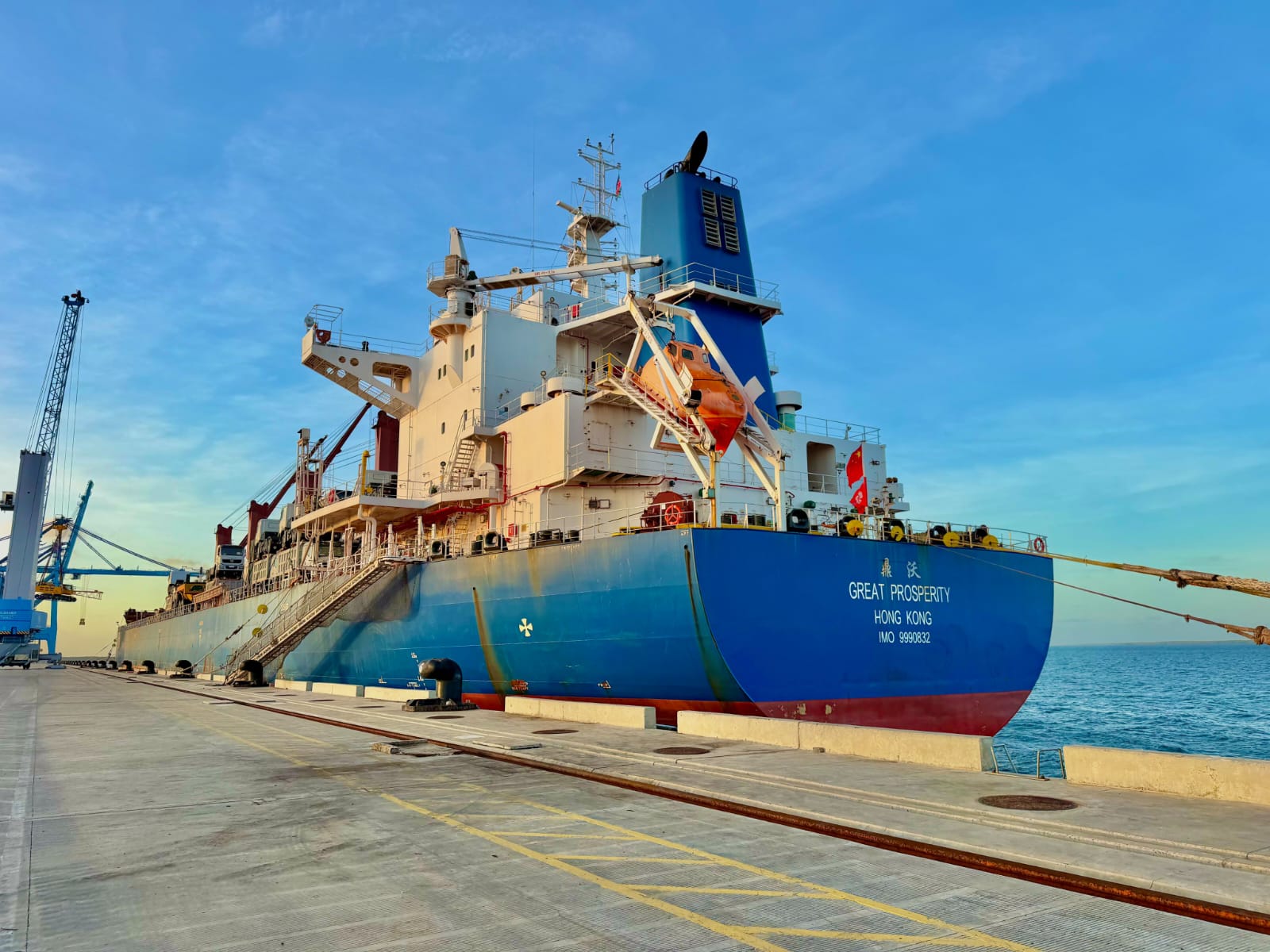
The Kenya Ports Authority’s latest shipping schedule is not a press release. It is a diagnostic tool. Over the next 14 days, 47 vessels are expected to call at the ports of Mombasa and Lamu—a mix of container ships, conventional cargo vessels, oil tankers, and, notably, four car carriers carrying a combined 1,350 units. The composition of that fleet tells us more about Kenya’s economic trajectory than any single growth statistic could.
Start with the car carriers. Four vessels delivering 1,350 vehicles in a two-week window is a meaningful signal. It reflects sustained consumer demand, a functioning vehicle import chain, and—crucially—confidence that Mombasa can handle roll-on/roll-off cargo efficiently. Kenya’s automotive market remains import-dependent, and every car carrier that berths represents foreign exchange spent, tax revenue collected, and a logistics chain working as designed. But it also exposes a vulnerability: Kenya is importing mobility rather than manufacturing it. The much-touted local assembly sector has yet to scale to a level that would meaningfully reduce this dependence. The car carriers are a reminder that port growth can flatter an economy even as it reveals structural gaps.
The container numbers are where the real story lies. Mombasa expects 24 container ships in 14 days—roughly 1.7 per day. That cadence is the lifeblood of the Northern Corridor. Container vessels do not call on ports out of sentiment; they call because cargo is there, clearance is predictable, and turnaround times are competitive. Twenty-four box ships in a fortnight suggests shipping lines are treating Mombasa as a reliable node rather than a contingency option. That is exactly the reputation KPA needs to defend against Dar es Salaam, Djibouti, and the emerging Berbera challenge.
The presence of 11 conventional cargo vessels is equally instructive, though less glamorous. Conventional cargo—steel, cement, machinery, project equipment—is the backbone of infrastructure development. These vessels carry the inputs for roads, bridges, and buildings. A steady stream of conventional cargo suggests construction activity remains robust, even as the sector faces financing headwinds. It also underscores that Mombasa’s value proposition is not purely containerized. Breakbulk and project cargo are high-margin segments where specialized handling capacity matters, and KPA’s ability to attract them reflects genuine operational range.
The four oil tankers at Mombasa round out the energy picture. Kenya’s petroleum product imports remain essential to transport, industry, and power generation. Four tankers in 14 days is routine rather than remarkable—which is precisely the point. Energy logistics are functioning without disruption, and in a region where fuel supply crises are not uncommon, routine is a compliment. The quieter story, however, is Kenya’s slow progress toward becoming a petroleum hub. The country has ambitions to store and re-export refined products to the region, but that vision requires storage capacity, regulatory clarity, and competitive pricing that have yet to fully materialize. Tanker traffic is steady; hub status is still aspirational.
Lamu’s schedule is thinner—four container ships expected over the same period—but it carries disproportionate strategic weight. Lamu Port was built on the promise of the Lapsset corridor, linking Kenya to South Sudan and Ethiopia. Four container vessels in 14 days is modest, yet it represents utilization, not just potential. The critical question is whether Lamu is developing a genuine commercial identity or remaining a well-equipped standby facility. Transshipment, regional feeder services, and eventually Lapsset-linked cargo are the pathways. The next 14 days suggest momentum, but not yet a transformation.
Taken together, the 47-vessel schedule paints a picture of a port system firing on multiple cylinders: consumer imports, construction inputs, energy supply, and regional transit. That diversification is a strength. Ports that depend on a single cargo type are fragile; ports that handle containers, breakbulk, vehicles, and liquid bulk simultaneously are resilient. KPA deserves credit for building and maintaining that range.
But schedules are promises, not achievements. The real test lies in what happens after the vessels berth. How quickly are containers cleared? What are the dwell times? Are transit cargoes reaching Kampala and Kigali without costly delays? Are the digital systems—single window, automated gates, electronic manifests—actually reducing friction, or merely digitizing bottlenecks? KPA’s recent growth figures suggest genuine progress. A crowded shipping schedule suggests demand is real. But the Authority’s credibility will ultimately rest on whether a shipper in Kigali or Juba finds Mombasa faster and cheaper than the alternatives.
There is also a governance dimension worth naming. Port performance is a national asset, and it is strengthened by transparency. Publishing vessel schedules is welcome. Publishing dwell times, transit costs, and comparative corridor performance would be even better. Kenya’s competitors are watching, and so are the shipping lines that decide where to deploy their next service loop. Information asymmetry favors incumbents, but it also breeds complacency.
The verdict: Forty-seven vessels in 14 days is a healthy pulse for Kenya’s maritime economy. The four car carriers signal consumer demand; the 24 container ships signal trade confidence; the conventional cargo and tankers signal industrial and energy continuity; and Lamu’s four box ships signal a port still finding its commercial voice. KPA has built capacity and attracted traffic. The harder work is converting volume into value—faster clearance, lower costs, deeper regional integration, and a Lamu that becomes indispensable rather than merely operational. The ships are coming. What matters now is what Kenya does with them.
Andrew Mwangura is a commentator on trade, logistics, and regional economic affairs. The views expressed are the author’s own.