


In just 34 days, the Bandari Maritime Academy will open its doors to students, industry leaders, and maritime professionals for the ICS East Africa Student Symposium 2026. This is not merely another academic event on the calendar. It is a countdown to opportunity—a watershed moment for a generation poised to shape East Africa’s maritime destiny.
For students across Kenya and the wider East African region, the symposium presents a rare and invaluable opportunity to engage directly with an industry that facilitates over 80 percent of global trade and is fast emerging as one of Africa’s most powerful engines of economic transformation. As the Blue Economy gains momentum, the message resonates with unmistakable clarity: the future belongs to those prepared to navigate it.
The timing could scarcely be more significant.
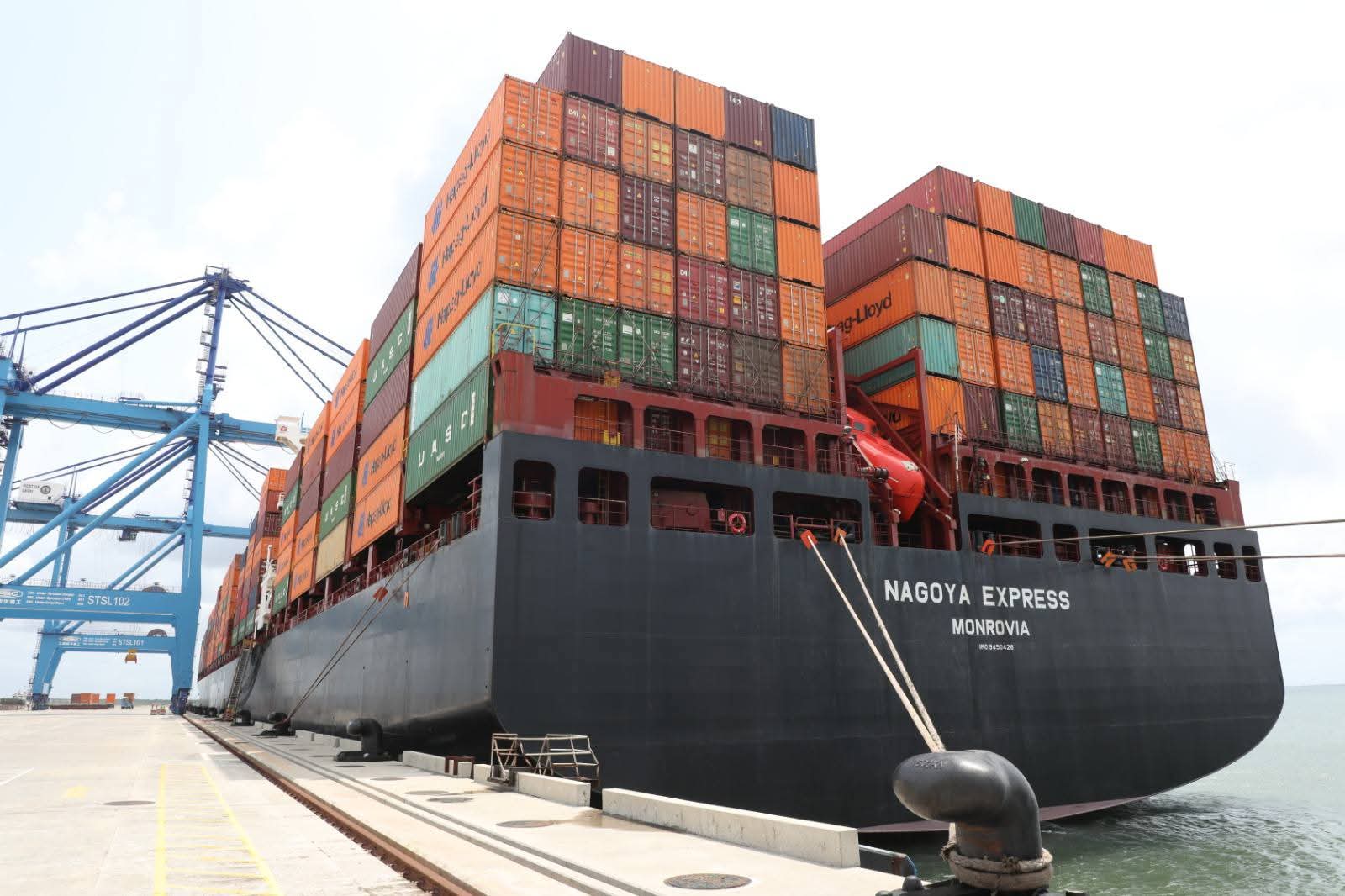
East Africa is experiencing an unprecedented maritime renaissance. Kenya’s Port of Mombasa—the region’s principal gateway to international trade—is entering a transformative era following the landmark US$820 million investment by CMA CGM. This ambitious expansion promises to increase cargo handling capacity, enhance operational efficiency, and reinforce Mombasa’s strategic role as the logistics backbone serving Kenya and its land-linked neighbours, including Uganda, Rwanda, South Sudan, Burundi, and the Democratic Republic of Congo.
This investment is far more than a port expansion project. It is a resounding vote of confidence in East Africa’s economic trajectory and a clear signal that global shipping increasingly regards the region as a strategic trade corridor of growing importance. Yet modern infrastructure, however impressive, tells only half the story.
Ports do not operate themselves. Vessels do not navigate the world’s oceans without skilled seafarers. Supply chains cannot function without competent logistics professionals, shipbrokers, marine engineers, port managers, and maritime lawyers. Human capital remains the maritime industry’s most invaluable asset.
This is precisely where the Bandari Maritime Academy assumes its national and regional significance.
Over the past decade, the Academy has steadily evolved into one of East Africa’s premier maritime training institutions, producing the skilled workforce required to support Kenya’s Blue Economy ambitions while positioning the country as a regional hub for maritime education and professional excellence.
The ICS East Africa Student Symposium embodies this broader vision, serving as a vital bridge between education and industry. It connects aspiring professionals with employers, regulators, practitioners, and internationally recognised training pathways. For many participants, it will offer their first meaningful exposure to the vast and diverse career opportunities available within the global maritime sector.
Among the most significant opportunities on offer are the internationally respected professional qualifications accredited by the Institute of Chartered Shipbrokers (ICS). These certifications open doors across shipping, logistics, freight forwarding, marine insurance, port operations, ship agency, and global supply chain management. In an increasingly interconnected world, internationally recognised credentials have become indispensable career assets.
The global maritime industry also confronts an urgent workforce challenge. Demand for qualified seafarers continues to outstrip supply, creating unprecedented opportunities for countries capable of producing competent maritime professionals. Kenya has steadily strengthened its maritime education framework in alignment with international STCW standards, while institutions such as the Bandari Maritime Academy continue to forge partnerships that provide cadets with the sea-time experience essential for professional certification.
For young people searching for meaningful, future-proof careers, this presents an extraordinary opening.
The maritime industry is no longer defined solely by ships and ports. Digitalisation, artificial intelligence, automation, green shipping, cybersecurity, offshore renewable energy, and smart logistics are transforming the sector at remarkable speed. Tomorrow’s maritime professionals must be innovative, technologically adept, environmentally conscious, and globally competitive.
The symposium offers a compelling glimpse into that future.
Students will have the opportunity to engage with industry experts, explore emerging career pathways, build professional networks, and deepen their understanding of the evolving demands of the global shipping industry. Such exposure can be life-changing, particularly for young people who may never have considered a maritime career—despite living along one of Africa’s most strategically important coastlines.
For too long, many graduates have focused almost exclusively on conventional white-collar employment while overlooking the vast opportunities within the Blue Economy. Yet the maritime sector offers careers that are international in outlook, professionally rewarding, and essential to global commerce.
The opportunity is no longer somewhere beyond the horizon. It is anchored in Mombasa.
In 33 days, the doors of the Bandari Maritime Academy will open. Those who walk through them may well take the first step towards careers that span oceans, connect continents, and contribute to East Africa’s economic transformation.
The future of maritime Africa is already taking shape.
The question is whether the next generation is ready to board.
Andrew Mwangura is a Mombasa-based Public Intellectual and Maritime Affairs Analyst.
Great piece. The Blue Economy conversation in Kenya often stays theoretical, but this shows exactly what’s at stake, real investment, real infrastructure, real jobs. As a recent Marine Engineering graduate myself, I think the bigger challenge isn’t awareness, it’s pathways: how do we move students from “I know maritime careers exist” to “I have sea-time, certification, and a job offer”? Events like this symposium matter most if they translate into concrete placement opportunities, not just inspiration. Hoping to see more of that follow-through.