


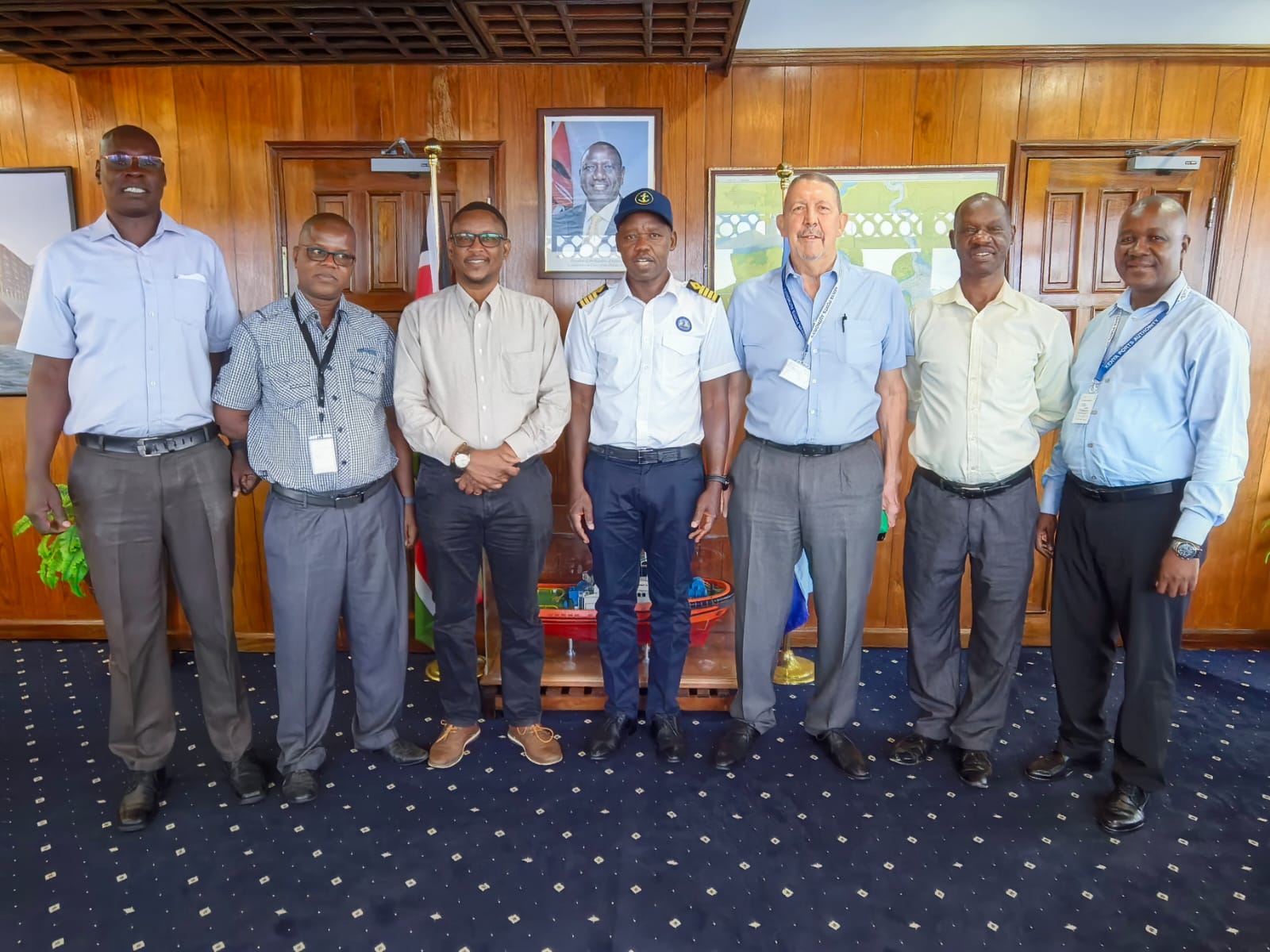
Operational Realities: Waiting Ships and Lingering Frustrations
KPA’s Managing Director acknowledged visible progress while candidly admitting the port is “not yet where they want to be”—an honesty that is as refreshing as it is necessary. However, the oldest vessel still waiting, having arrived on 27th June, underscores that vessel turnaround remains a critical pain point. Agents rightly flagged the inaccurate classification of ships as “waiting on ship’s convenience” when operational constraints within the port are often the true culprit. The commitment to a joint comprehensive analysis with shipping lines is a welcome step toward data-driven problem-solving.
Equally concerning is the persistent issue of long-stay units and the stalled transfer to the Mombasa Inland Container Depot (MICD), stalled by KRA’s lack of commitment on compensation. This reflects deeper inter-agency coordination failures that have long plagued Kenyan logistics. With truck turnaround times averaging 10 hours—of which KPA is responsible for only 20%—it is evident that external factors (KRA processes, documentation, and road congestion) continue to dominate the narrative of port inefficiency. Practical proposals such as arming containers outside the port and simplifying import loading procedures with 24-hour clerk availability should be fast-tracked without delay.
On empties management, KPA’s decision to allow random loading of pre-advised units without lengthy approvals is commendable. Yet the preference of agents for depot loading over clearing units inside the port suggests either lingering trust issues or inadequate incentives. The continued enforcement of the 24-hour gate closure rule for empties post-berthing warrants careful review to balance yard space optimization with commercial realities.
Infrastructure Push: Ambitious Plans vs. Execution Risks
The meeting painted an encouraging picture of long-term investment. The strengthening and deepening of berths 1-14 at an estimated USD 350 million, the PPP tender for berths 23/24 tied to rail usage, ongoing yard paving, and the addition of new equipment (reach stackers, forklifts, RTGs, and two new STS cranes by December 2026) demonstrate strategic foresight. Notably, Berth 19B’s expansion, promising an additional 350,000 TEUs, is a significant capacity booster.
The Terminal Operating System (TOS) reaching 45-46% completion, with ambitions for real-time Web IP integration by December 2026, represents a crucial digital leap. Smart gates trials at berths 24/25 and the deployment of 170 new clerks to the Container Terminal signal operational focus. Dredging at Dongo Kundu (13% complete), road links at 50%, and RORO yard preparations reflect serious intent to modernize.
Yet challenges abound. Court delays on the 43TTS tender awarded in February, resistance to outsourced labour despite successful trials, and sluggish refurbishment processes highlight how legal, political, and activist interference can throttle progress. The restructuring of the KPA board on a more competitive, professional basis is overdue and welcome—political appointments have too often compromised operational excellence.
The feasibility study on port assets by July 2026 and the unbundled approach to concessions for various berths, terminals, and even Lamu and Shimoni ports are strategically sound. Bundling everything risks limiting competition and inflating costs; opening bids widely to capable private operators aligns with global best practices that have transformed ports like Rotterdam, Singapore, and Dubai.
Tariff Clarity and Broader Ecosystem Issues
The pending tariff interpretation letter—covering shore handling, marine charges, and storage—requires swift resolution. Ambiguity in billing erodes confidence and fuels disputes. KPA’s instruction to follow up on these matters is necessary, but delivery must be timely.
Regionally, the discussion on empties shortages and repositioning highlights Kenya’s integration into broader African and global shipping dynamics. Initiatives like partnering with agents for inland dry ports (Moyale, Naivasha, Kisumu/Malaba) and leveraging SGR Phase 2 demonstrate an understanding that port success depends on seamless hinterland connectivity.
Opinion: Time for Decisive Action
Kenya’s economy, heavily reliant on efficient import/export flows, cannot afford incrementalism. While the meeting demonstrated improved dialogue between KPA and KSAA—evident in the port tour for KSAA leadership—the gap between announced plans and on-ground results remains too wide. TOS completion by December, new equipment arrivals, and berth upgrades must not slip. Every month of delay translates into higher shipping costs, reduced competitiveness against Dar es Salaam and emerging regional ports, and lost economic opportunity.
KPA deserves credit for pushing PPPs, rail integration, digitalization, and labor flexibility despite political headwinds. Outsourcing conventional berth gangs was a bold and necessary move that should be expanded based on the successful trial. However, inter-agency friction (especially with KRA), court-induced procurement delays, and occasional policy inconsistency continue to act as self-inflicted wounds.
Recommendations Moving Forward:
1. Establish a joint KPA-KSAA-KRA task force with clear KPIs and public dashboards for vessel waiting times, truck turnaround, and yard utilization.
2. Accelerate TOS and smart gates rollout with independent verification and private sector input.
3. Fast-track the tariff interpretation letter and commit to annual transparent reviews.
4. Prioritize unbundled concessions with strong performance clauses tied to throughput, equipment investment, and rail usage.
5. Deepen private sector involvement in inland facilities and equipment provision while maintaining regulatory oversight.
6. Shield critical procurement and operational decisions from undue political or activist interference.
The next quarterly meeting on 27th August 2026 should not merely review minutes but measure concrete progress against timelines. Mombasa Port stands at a crossroads. With disciplined execution of the announced initiatives—berth modernization, digital transformation, equipment renewal, and genuine public-private collaboration—Kenya can reclaim its status as the undisputed logistics hub of East Africa. Failure to convert these plans into measurable gains, however, risks ceding ground to faster-moving competitors.
The port’s success is too important for Kenya’s economy, jobs, and regional influence to be left to bureaucratic drift. The meeting showed awareness of the problems and credible pathways forward. Now is the time for relentless execution.
Andrew Mwangura is a Mombasa-based Public Intellectual and Maritime Affairs Analyst.