


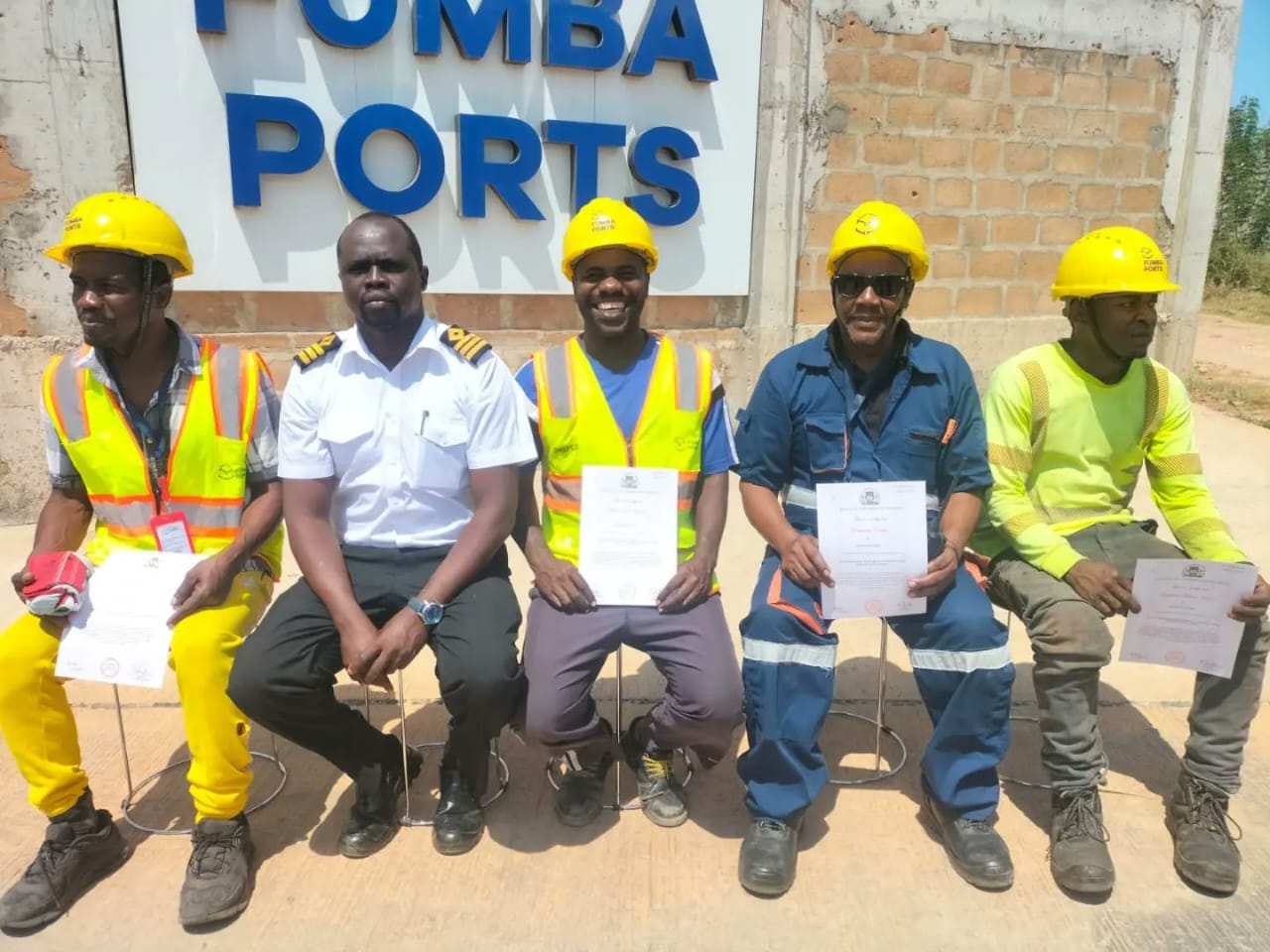
The modernisation of Fumba Port is more than a construction project. It is a strategic declaration that Zanzibar is ready to reclaim control of its trade arteries, reduce costly dependence on neighbouring ports, and convert maritime traffic into sustainable public revenue. The Tanzania Revenue Authority’s pledge to install a modern cargo scanner at the facility crystallises this ambition. Together, the expanded port and advanced scanning technology form a powerful combination that can reshape Zanzibar’s economic trajectory.
For decades, Zanzibar has paid a quiet but heavy price for inadequate port capacity. Goods destined for the islands routinely arrived via Dar es Salaam, Tanga or Mombasa, adding layers of cost, delay and logistical friction. Traders absorbed higher freight charges; consumers paid inflated prices; and the government collected less tax than the volume of trade should have generated. That era is ending. Once fully operational, Fumba Port is projected to handle approximately 40 containers per hour — equivalent to between 250,000 and 400,000 containers monthly. By February 2027 the berths are expected to stretch 350 metres on each side, giving the facility the scale to receive larger vessels directly from China, the United Arab Emirates, Turkey, the United Kingdom and beyond.
This capacity leap matters. Direct calls eliminate the need for transshipment through mainland or Kenyan ports. Importers gain faster clearance and lower landed costs. Exporters of cloves, seaweed, spices and other Zanzibari products gain more predictable access to international markets. The entire logistics chain becomes leaner, more competitive and more attractive to investors already clustering around the Fumba Free Economic Zone.
Yet infrastructure alone is insufficient. Without efficient, transparent customs processes, a larger port simply multiplies congestion and opportunities for leakage. This is where the TRA’s planned modern cargo scanner becomes decisive. Non-intrusive inspection technology allows authorities to examine the contents of containers rapidly and accurately, detecting undervaluation, misdeclaration, smuggling and prohibited goods without the time-consuming physical searches that once took hours per box. Faster clearance reduces demurrage, improves predictability for legitimate traders, and simultaneously closes revenue gaps that have long undermined the public purse.
TRA Commissioner General Yusuph Mwenda has correctly framed the investment as both a facilitation tool and a revenue enhancer. A broader tax base does not require higher rates; it requires capturing the transactions that already occur. When cargo volumes rise and inspection becomes more effective, voluntary compliance improves because the system is seen as fair, consistent and difficult to evade. The readiness of the Zanzibar Customs Brokers Association to cooperate with TRA signals that the private sector understands this logic. Traders who previously navigated opaque procedures are more willing to comply when the rules are clear and the process is efficient.
The fiscal implications extend beyond customs duties. Higher trade volumes support jobs in stevedoring, warehousing, trucking, clearing and forwarding, and related services. Increased formal economic activity expands the base for VAT, income tax and other levies. Revenue that once leaked through informal channels or foreign ports can now finance Zanzibar’s own development priorities — roads, health facilities, education and climate-resilient infrastructure. In an archipelago where tourism and agriculture remain vulnerable to external shocks, a stronger maritime trade platform provides valuable diversification.
Critics may ask whether Zanzibar can absorb such volumes without creating new bottlenecks inland, or whether the scanner will simply become another under-utilised piece of equipment. These concerns are legitimate and must be addressed through complementary investments: digital systems that enable advance cargo information and pre-clearance, adequate bonded warehousing, skilled customs officers, and seamless coordination between the Zanzibar Ports Corporation, TRA and other border agencies. The public-private partnership model already underpinning Fumba’s development offers a proven template for disciplined project execution and accountability.
The broader regional context strengthens the case. East Africa’s ports are competing for cargo and investment. By positioning Fumba as a reliable, efficient gateway for the islands — and potentially for traffic bound for neighbouring Indian Ocean economies — Zanzibar can carve out a specialised niche. Success will depend less on sheer size than on reliability, transparency and cost competitiveness — qualities that modern scanning technology directly supports.
Fumba Port and the accompanying TRA scanner therefore represent more than physical assets. They embody a shift from dependence to agency. Zanzibar is choosing to process its own trade, collect its own revenue, and shape its own logistics destiny. If the remaining construction milestones are met, if the scanner is installed and properly operated, and if stakeholders maintain the cooperative spirit already evident, the islands will have taken a decisive step toward a more resilient and self-reliant economy.
The opportunity is clear. The infrastructure is rising. The technology is promised. What remains is disciplined implementation and the collective will to convert capacity into lasting prosperity. Zanzibar’s traders, workers and citizens deserve nothing less.