


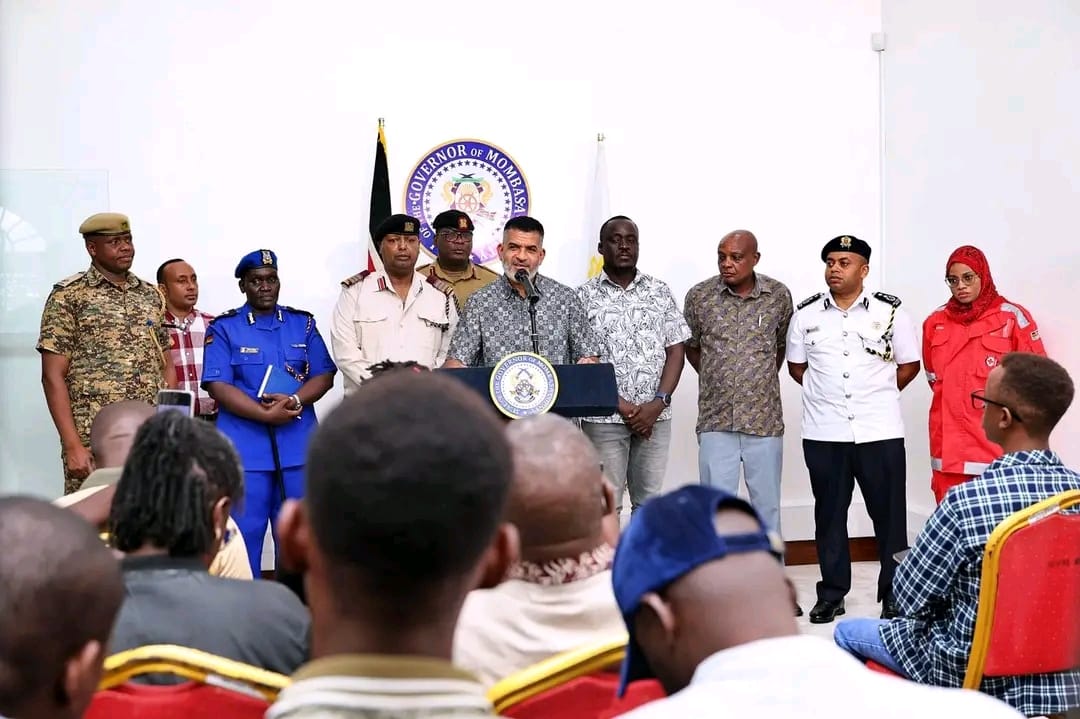
As forecasts warn of heavy rains and an extended El Niño period that could deluge Kenya’s coast, the Mombasa County Government has moved with welcome haste. Its plan to mobilise 3,000 young people across all six sub-counties to clear blocked drains, culverts, and waterways is a pragmatic and highly visible response to a recurring threat. The initiative prioritises known flood hotspots, low-lying areas, markets, and major drainage corridors. Participants will receive safety training, protective equipment, tools, and technical supervision. Recruitment is to be handled transparently by the County Public Service Board, with a clear warning against any payment of fees. Residents are urged to stop dumping waste into drains and to report blockages via the 1599 hotline. The message is straightforward: preparedness is a shared responsibility.
This is the right instinct. Mombasa’s vulnerability is well documented. Flat terrain, aging and undersized drainage systems, rapid and often unplanned urbanisation, settlements on natural waterways and floodplains, and chronic solid-waste mismanagement combine to turn moderate rains into flash floods and prolonged inundation. Plastic bottles, bags, silt, and construction debris choke channels that should carry stormwater to the ocean. Informal settlements in places such as Bangladesh, Chaani, Junda, and Ziwa la Ng’ombe suffer disproportionately; recent assessments have shown high rates of housing damage and repeated flooding. Past El Niño events and seasonal downpours have repeatedly exposed these weaknesses, damaging homes, disrupting businesses, elevating disease risks, and straining emergency services.
Deploying organised teams of young people to clear the system before the rains peak is both preventive and socially astute. Youth unemployment remains stubbornly high; temporary, structured work that includes training and supervision offers income, skills exposure, and a sense of civic contribution. Linking the effort to environmental response and proper waste disposal also confronts one of the most immediate drivers of urban flooding. Emphasising transparent recruitment and zero tolerance for “registration fees” is essential in a context where public programmes have sometimes been undermined by gatekeeping and rent-seeking. The appeal to residents to keep waste out of drains correctly frames the problem as collective, rather than purely governmental.
Yet the initiative, welcome as it is, addresses symptoms more than structural causes. Clearing drains is maintenance, not transformation. Mombasa has long needed a comprehensive, funded stormwater drainage master plan that expands capacity, separates storm and sewage flows where possible, protects natural drainage corridors, and enforces building codes so that construction does not simply recreate blockages. Solid-waste collection and disposal systems must achieve reliable coverage; otherwise, the same debris returns after every cleanup cycle. Encroachment on waterways and floodplains requires difficult political decisions about relocation, densification alternatives, and enforcement—not only emergency appeals when rains are imminent. Climate realities—more intense rainfall events and rising sea levels—will only raise the stakes.
There are practical risks. Phased recruitment of 3,000 people demands robust logistics, consistent supervision, and fair pay to avoid the programme becoming another short-lived public-works scheme that leaves participants disillusioned. Safety training and protective gear are non-negotiable given the physical and health hazards of working in drains and waste. Coordination across sub-counties, with national agencies, Kenya Urban Roads Authority teams, and existing disaster committees will determine whether the effort is coherent or fragmented. Past youth-focused environmental programmes in the county, including waste-management pilots aiming for similar numbers of jobs, offer both useful precedents and cautionary lessons about scaling, sustainability, and private-sector partnerships.
The deeper opportunity lies in treating this as a bridge to lasting capacity rather than a seasonal campaign. Successful temporary mobilisation can build local skills in environmental maintenance, strengthen community reporting networks, and generate political will for capital investment in resilient infrastructure. It can also demonstrate that young people are not merely recipients of relief but active agents of urban resilience. Pairing the cleanup with measurable targets—kilometres of drains restored, volume of waste properly disposed, and reduction in hotspot flooding during the season—would allow for independent assessment and course correction.
Mombasa’s residents have every reason to support the call to keep drains clear and report problems promptly. At the same time, they are entitled to demand that temporary labour does not substitute for permanent systems. Governors and county assemblies will ultimately be judged not only on how quickly they clear channels before the rains, but on whether the next heavy season finds a city with stronger infrastructure, better waste management, and fewer people living in harm’s way.
Acting early is wiser than reacting to disaster. Mobilising 3,000 young people is a concrete expression of that wisdom. The test now is whether this effort becomes the beginning of systemic resilience or simply another cycle of emergency clearance followed by renewed blockage. Shared responsibility works best when government leads with both urgency and vision.