


On 2–3 December 2026, the Technical University of Mombasa will host “Vijana na Blue Economy” under the banner “Empowering Youth… Unlocking Opportunities in the Blue Economy.” The event’s flyer is striking: two smiling young people, one with a raised fist, stand against the backdrop of a busy container port, blue waves, and a bright sky. The message is clear and compelling—Learn, Innovate, Get Inspired. The forum targets the youth of Mombasa County, students, young professionals, youth groups, and innovators, with key topics ranging from maritime careers and innovation to sustainable ocean management, fisheries, aquaculture, skills, and entrepreneurship.
The imagery and language capture both the aspiration and the physical reality of Mombasa as Kenya’s gateway to the Indian Ocean. This gathering builds on a growing national and county commitment to position young people at the centre of the Blue Economy, offering a timely platform for dialogue, learning, and partnership.
A Sector of Expanding Possibility
Kenya has placed the Blue Economy at the heart of its economic vision. The National Blue Economy Strategy 2025–2030 seeks to expand the sector’s contribution to GDP, create meaningful employment especially for youth and women, and safeguard marine ecosystems. Coastal counties have launched a coordinated Sh156 billion multi-agency action plan for 2026–2030 covering marine transport, fish ports, aquaculture, tourism infrastructure, and climate resilience. Mombasa County continues to expand vocational programmes under the Kenya Blue Economy Skills Training (KBEST) initiative and “Skills Mitaani,” aiming to equip more than 10,000 young people with practical courses aligned with maritime and hospitality needs.
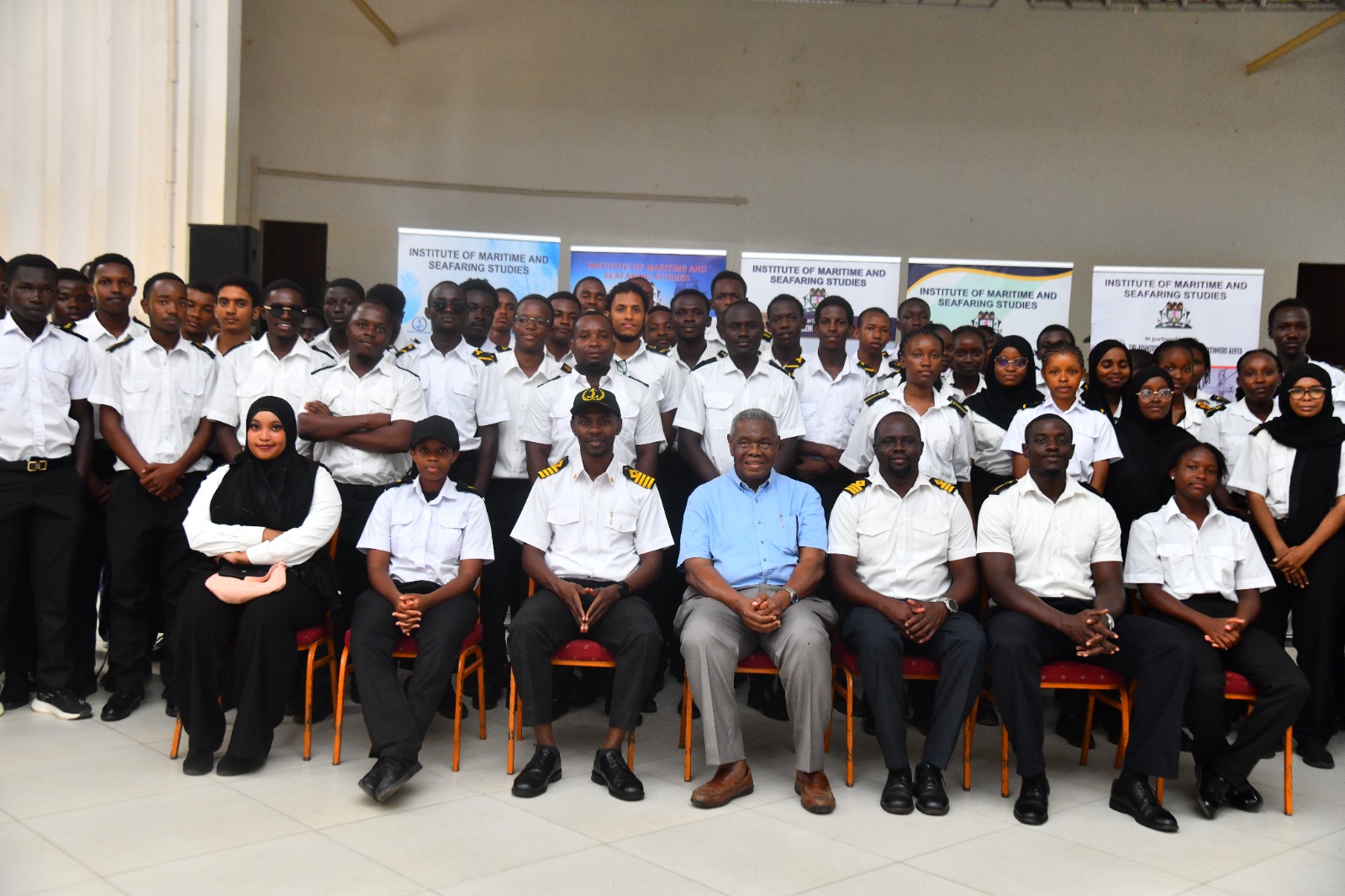
The Technical University of Mombasa is a natural host. The university has established an Institute of Maritime and Seafaring Studies, offers degree-level nautical science, and is preparing to develop a centre of excellence in blue economy research and training with support from the African Development Bank. These investments strengthen the pipeline of skilled professionals ready to contribute to shipping, port operations, sustainable fisheries, and related industries.
Progress is already visible. Training and grant programmes have reached hundreds of thousands of people in coastal communities. Fish production has increased. Women-led groups in areas such as Jomvu are demonstrating viable models in mud-crab farming and related value chains. Entrepreneurship initiatives such as BlueBiz continue to support coastal youth with skills, market linkages, and, for some, seed capital. The coastal and marine value chain already sustains roughly two million livelihoods, with clear room for growth in tourism, fisheries, aquaculture, and maritime logistics. For a city and county where many young people seek pathways into productive work, the Blue Economy represents one of the most significant place-based opportunities available.
Clear Career Pathways: Merchant Navy, Offshore, and Shore-Based Opportunities
One of the most practical contributions this forum can make is to demystify the structured career ladders that exist within the maritime sector. Young people often hear about “the Blue Economy” in broad terms; fewer receive a clear map of how progression actually works.
In the Merchant Navy, careers follow well-defined international pathways governed by the Standards of Training, Certification and Watchkeeping (STCW) Convention. Entry can begin as a rating (deck or engine) or as a cadet after completing approved training. With the required sea time, examinations, and certificates of competency, an individual can progress to Officer of the Watch, then to Chief Officer or Second Engineer, and ultimately to Master (Captain) or Chief Engineer. These ranks open doors to global shipping lines, including companies that already partner with Kenyan institutions to recruit seafarers. The progression is demanding but transparent: competence, sea service, and continuous professional development determine advancement. For many coastal youth, this remains one of the most reliable routes to internationally competitive remuneration and professional mobility.
Offshore careers offer another dynamic ladder. Roles supporting offshore energy, oil and gas operations, wind farms, and specialised marine services include marine crew, technicians, dynamic positioning operators, ROV pilots, and offshore installation managers. These positions often combine sea-going experience with technical specialisation and can provide pathways into higher-responsibility operational and supervisory roles. As Kenya and the wider region explore marine renewable energy and related activities, demand for such skills is expected to grow.
Shore-based careers complete the picture and frequently offer greater long-term stability and family proximity. Opportunities exist across port operations, ship agency and management, maritime logistics, vessel traffic services, marine surveying, shipbroking, marine insurance, maritime administration, training, and research. Institutions such as the Kenya Ports Authority, Kenya Maritime Authority, shipping companies, and private logistics firms provide structured progression from operational and junior professional roles into management and specialised technical positions. Many experienced seafarers transition successfully into these shore-based roles, bringing valuable operational insight. In addition, entrepreneurship in areas such as aquaculture, boat repair, cold-chain services, coastal tourism, and value-added marine products creates self-employment pathways that complement formal employment.
The Technical University of Mombasa and county vocational centres are increasingly aligned with these ladders through competency-based programmes, STCW courses, and industry linkages. When young people understand the entry points, the certification requirements, and the progression routes, they can make informed choices and invest their efforts more effectively.
Building Bridges from Aspiration to Opportunity
The December forum arrives at a moment of constructive momentum. It offers a chance to deepen awareness of specific career routes, connect participants with training institutions and employers, and highlight existing support mechanisms for enterprise development. By bringing together students, young professionals, innovators, county and national stakeholders, and industry partners, the event can help align enthusiasm with practical next steps.
Success will be measured not only by the energy in the room but by the clarity of pathways that follow: information on upcoming training intakes, introductions to recruiting organisations, details of available grants and financing windows, and stronger networks among youth-led initiatives. The Technical University of Mombasa, county government, national agencies, SACCOs, private sector actors, and development partners already operate complementary programmes. The forum can serve as a valuable coordination point that reinforces these efforts and amplifies their reach.
A Collaborative Horizon
Mombasa and the wider coastal region possess genuine comparative advantages: a deep-water port, an extensive coastline, rising global interest in sustainable ocean economies, and a dynamic young population. Realising the full potential of these assets requires continued investment in relevant skills, accessible finance, timely infrastructure delivery, and governance that balances economic opportunity with environmental stewardship.
“Vijana na Blue Economy” contributes to this shared endeavour by placing youth at the centre of the conversation. The raised fist on the flyer is a fitting symbol of agency and optimism. When paired with clear information, practical linkages, and sustained partnership, that energy can help translate national strategy into local livelihoods and long-term coastal prosperity.
The gathering on 2–3 December offers an opportunity to strengthen that translation. With thoughtful engagement from all participants, it can mark another constructive step in ensuring that the Blue Economy becomes a source of opportunity, dignity, and shared progress for the young people of Mombasa and beyond.