


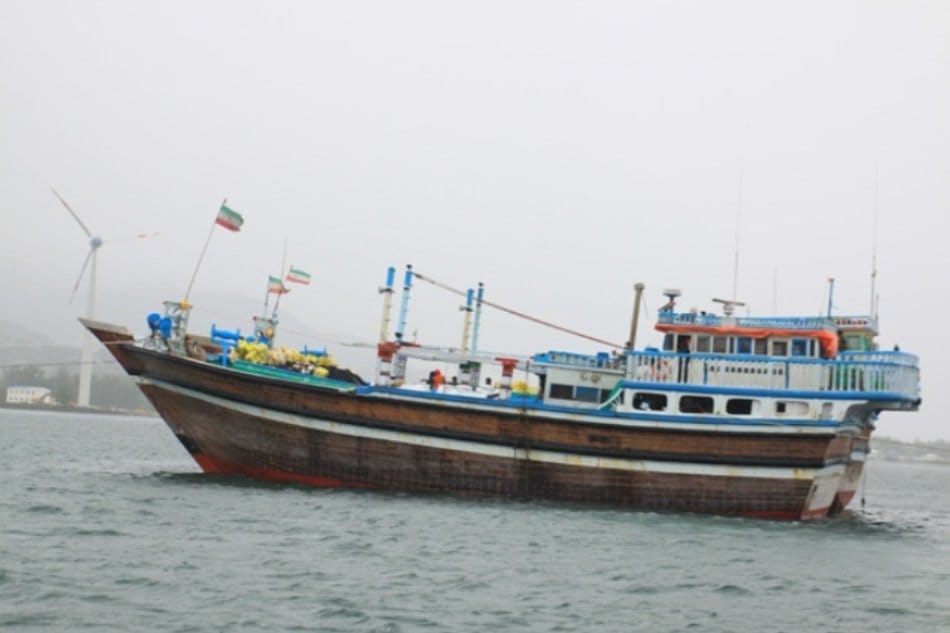
On 2 November 2026, over 3,000 kilometres from Mumbai, the Indian Navy concluded a meticulously coordinated 48-hour operation. It liberated the Iranian fishing vessel Azini from armed Somali pirates, freeing all 20 crew members without a single casualty. Defence Minister Rajnath Singh’s public congratulations captured the essence of the achievement: the swift localisation, interception, and safe release of the vessel and its crew from significantly armed pirates, with timely support from the Indian Air Force.
The facts are now clear. The Azini was hijacked on 29 October off Somalia’s northeastern coast, between Bandar Bayla and Hafun, by a group of about a dozen armed pirates. Maritime authorities, including the EU-led Maritime Security Centre – Indian Ocean, warned that the vessel risked being converted into a “mother ship”—a floating base from which pirates could launch further attacks on commercial shipping lanes. The Indian Navy responded with a mission-deployed warship (INS Kolkata), maritime reconnaissance aircraft (including P-8I platforms), and additional sensors such as Sea Guardian drones. After sustained surveillance and calibrated non-kinetic measures to contain the vessel’s movement, Marine Commandos (MARCOS) were inserted via a precision airdrop from an IAF C-17. The tactical intervention secured the ship, neutralised the pirate threat, and ensured the safe release of the crew.
This was not an isolated tactical success. It was a demonstration of operational maturity at distance. INS Kolkata had already proven its value in the March 2024 recovery of the hijacked MV Ruen roughly 2,600 km from the Indian coast. The Azini operation pushed the envelope further, combining surface presence, long-range air surveillance, and special-forces insertion far from home waters. Seamless Navy–Air Force coordination was essential; without the C-17 airdrop, the timeline and risk calculus would have looked very different. The absence of casualties on either side underscores the professionalism of the force and the careful calibration of force used.
The larger context, however, is less comfortable. Somali piracy, largely suppressed for a decade after its peak in the late 2000s and early 2010s, has been re-emerging since late 2023. The diversion of international naval attention to Houthi attacks in the Red Sea and Gulf of Aden created space for its return. Economic pressures along the Somali coast, combined with the demonstrated profitability of recent ransom operations, have revived the enterprise. By mid-2026, multiple commercial vessels had been seized, some well beyond traditional coastal waters. Pirates are again using hijacked fishing boats and dhows as mother ships to extend their reach deep into the Arabian Sea and western Indian Ocean.
India has responded not with rhetoric but with presence. Mission-based deployments in the Arabian Sea and Gulf of Aden have been sustained. The Maritime Anti-Piracy Act of 2022 has begun to deliver: the 35 pirates from the Ruen case were convicted and sentenced in Mumbai. The Azini operation reinforces a consistent message—India will act as a first responder and preferred security partner in the Indian Ocean Region, protecting seafarers of any nationality and the sea lanes that carry the bulk of India’s energy and trade.
Yet capability does not eliminate the underlying drivers. Piracy thrives where governance is weak, economic alternatives are scarce, and international attention is fragmented. Mother-ship tactics amplify the threat because they allow small, fast attack craft to operate far from shore, complicating detection and response. Insurance premiums rise, shipping routes adjust, and the cost of maritime commerce increases for everyone. India’s growing blue-water competence is therefore both a national asset and a regional public good. It buys time and deters opportunistic attacks, but it cannot substitute for longer-term efforts to improve coastal security cooperation, information sharing, and economic conditions in Somalia and its neighbourhood.
The Azini rescue also highlights the quiet professionalism of the Indian armed forces. Precision airdrops of special forces at sea, sustained tracking over days, and the disciplined use of non-kinetic measures before kinetic intervention are the product of years of training, investment, and operational experience. They reflect a navy that has moved beyond coastal defence into true power projection while remaining focused on the practical mission of keeping the seas safe.
For India, the strategic implications are straightforward. Energy security, trade routes, and the safety of Indian and foreign seafarers are inseparable from the security of the western Indian Ocean. A navy that can operate effectively 3,000 km from home is a navy that can shape the security environment rather than merely react to it. The Azini operation is therefore more than a successful hostage rescue. It is evidence that India’s maritime posture has matured, that inter-service coordination works under pressure, and that the country is prepared to underwrite stability in its primary strategic theatre.
Somali piracy will not disappear overnight. The incentives remain, and international bandwidth remains stretched. But every successful interdiction raises the cost and risk for the pirates. India’s consistent presence, legal framework, and demonstrated reach are now part of that deterrent equation. The crew of the Azini are safe. The sea lanes are a little more secure. And the message from the Arabian Sea is unambiguous: distance is no longer a reliable shield for those who prey on merchant shipping.