


The global architecture of labour is shifting. As the world of work is reshaped by artificial intelligence, the green transition, and persistent informality, the rules governing how nations protect their workers are being rewritten. For too long, Africa has been a passive subject of these global policies rather than a co-author. That dynamic is poised to change. Today, at the Kenya Permanent Mission in Geneva, Kenya took a decisive step in asserting its leadership on the world stage.
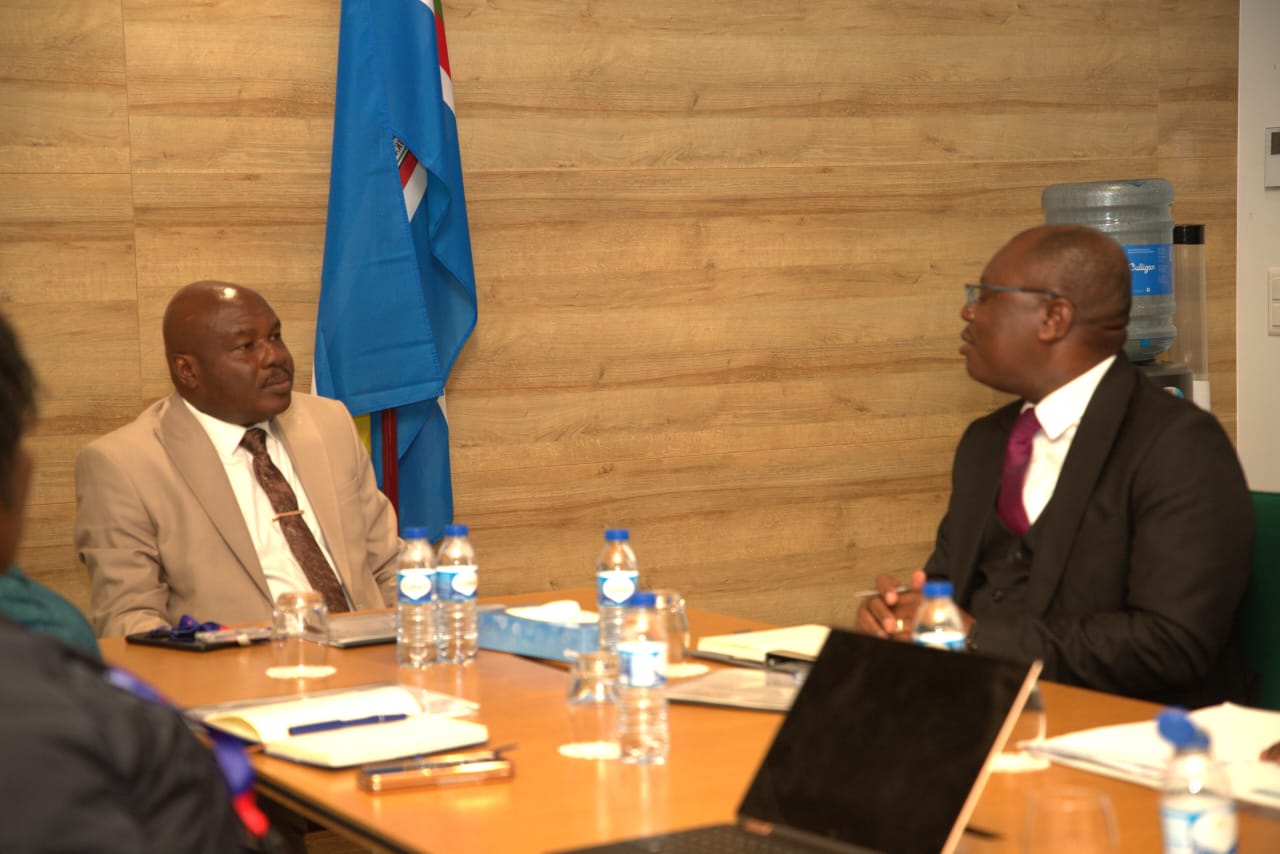
Hosted by Head of Chancery Maurice Okoth, the Principal Secretary for Labour, Mwadime Mwangolo, held a high-level briefing to strategize Kenya’s bid for a seat on the International Labour Organization (ILO) Governing Body for the 2027–2030 term. The meeting was not merely a diplomatic formality; it was a working session that addressed the tactical outreach required to secure the seat, the agenda of the 358th ILO Governing Body Session, and the pressing internal reforms the ILO must undertake to remain resilient in an era of financial and operational headwinds.
Why Kenya’s Voice Matters
Kenya’s pursuit of a seat on the ILO’s executive body is a natural extension of its role as a regional diplomatic and economic heavyweight. The ILO Governing Body is the executive arm of the organization, meeting three times a year to make decisions on policy, budgets, and the direction of international labour standards. Securing a seat for the 2027–2030 cycle would give Kenya and the wider African continent a direct voice in shaping these standards.
This is especially critical given the realities of the African labour market. With a rapidly growing youth population and a vast informal sector, Africa faces unique employment challenges that differ fundamentally from those of the Global North. Kenya’s voice on global labour policy matters because it can bridge the gap between international regulatory frameworks and the on-the-ground realities of developing economies. Whether the debate centers on social protection floors, the regulation of cross-border digital work, or just transitions to green energy, Kenya is positioned to advocate for policies that are not only aspirational but implementable.
The 358th Session and the Reform Agenda
The briefing in Geneva also focused on the agenda for the upcoming 358th ILO Governing Body Session. The timing is critical. The ILO, like many multilateral institutions, is facing significant financial and operational challenges. The Principal Secretary’s discussions on the ongoing reforms to strengthen the ILO’s resilience reflect a mature understanding of the organization’s internal dynamics.
In recent years, the ILO has had to navigate severe budget constraints, impacting its ability to deliver technical cooperation and maintain its global footprint. Kenya’s diplomatic outreach in Geneva must therefore be paired with a constructive role in these reform efforts. A reformed, well-resourced ILO is in Africa’s best interest. By actively engaging in discussions about the organization’s financial sustainability and operational efficiency, Kenya can position itself not just as a beneficiary of ILO programs, but as a responsible stakeholder in the institution’s future.
The Mechanics of the Bid: Diplomacy in Action
Winning a competitive seat on the Governing Body requires more than just a compelling vision; it requires relentless diplomatic legwork. The meeting at the Permanent Mission, hosted by Maurice Okoth, underscores the indispensable role of Kenya’s diplomatic corps in advancing national and continental interests.
Securing support requires active bilateral engagement with fellow member states, understanding the voting blocs within the ILO, and articulating how Kenya’s tenure would benefit the broader international community—not just Africa. It requires demonstrating a track record of compliance with international labour standards and showcasing Kenya’s domestic efforts to balance economic growth with worker protection. The briefing in Geneva is a clear sign that Kenya is approaching this candidacy with the seriousness and strategic intent it demands.
Implications for Africa and Beyond
If successful, Kenya’s tenure on the Governing Body from 2027 to 2030 will not be an isolated victory. It will be a step toward correcting the historical imbalance in global governance. Africa is the youngest continent on earth; its labour force is the engine that will drive the next century of global economic growth. It is only fitting that African nations occupy seats of power at the table where international labour policy is decided.
The road to 2027 requires sustained diplomatic momentum. It demands that Kenya’s delegations in Geneva, across Africa, and around the world work in lockstep to articulate a unified message: that Kenya is ready to lead, ready to listen, and ready to help build an ILO that is resilient, relevant, and responsive to the needs of all its members.
The briefing this week is the beginning of that journey. The challenges facing global labour are immense, but they also present a historic opportunity. By bidding for the Governing Body, Kenya is signaling its intention to help shape the future of work, not just for its own citizens, but for the global community. It is a bold ambition, and one that deserves the support of the international maritime and labour community alike.