


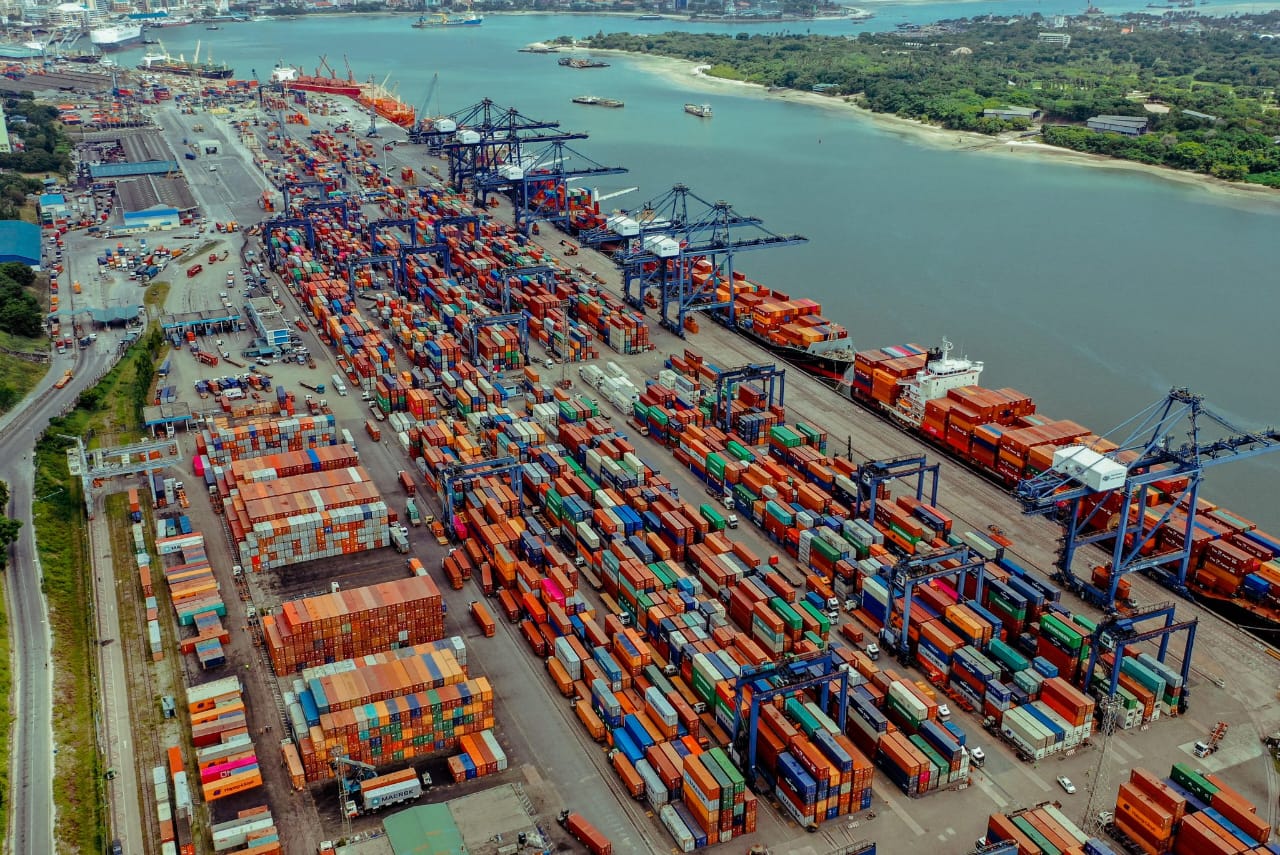
The Kenya Ports Authority’s recent commemoration of three decades of partnership with Uganda is more than a ceremonial milestone. It marks a living economic relationship that has shaped regional trade, logistics efficiency, and the competitive position of the Port of Mombasa as the premier gateway for East and Central Africa. In an era of intensifying port competition, infrastructure races, and non-tariff friction, the KPA–Uganda relationship offers a clear case study in interdependence—and a warning about what is at stake if the corridor falters.
The Scale of Interdependence
Uganda is not merely an important client of the Port of Mombasa; it is the dominant one. Official statements and performance data place Ugandan cargo at more than 65 percent—and in some recent tallies approaching or exceeding 70 percent—of transit volumes handled by KPA. By late 2025, Uganda-bound cargo had climbed past 10.9 million metric tonnes in a year when total port throughput reached a record 45.45 million tonnes. Container traffic and overall transit volumes have continued an upward trajectory, driven by Ugandan agricultural exports, manufacturing inputs, minerals, and petroleum products.
This dominance is structural. Landlocked Uganda depends on efficient access to the sea. Kenya depends on the volume, predictability, and revenue that Ugandan cargo provides. The relationship is reinforced by physical infrastructure: the Northern Corridor road network, the Standard Gauge Railway (with planned extensions toward Uganda), Inland Container Depots in Nairobi and Naivasha, one-stop border posts at Malaba and Busia, and growing lake transport options on Lake Victoria. Recent high-level engagements—between KPA leadership and the Uganda Revenue Authority, parliamentary committees, the Uganda Railway Corporation, and the Uganda National Oil Company—demonstrate that both sides treat the corridor as strategic infrastructure rather than a transactional service.
The 30-year mark itself traces back to the establishment of KPA’s Kampala liaison office in the mid-1990s. What began as a modest presence has matured into a sustained institutional relationship that has outlasted political cycles and economic shocks.
Achievements and Remaining Friction
The partnership has delivered measurable gains. Digitization, improved cargo clearance processes, system integration between agencies, and capacity investments—including the Kipevu Oil Terminal—have reduced some delays and improved predictability. Uganda’s parliamentary tourism and trade committee has publicly acknowledged progress on transparency and efficiency while committing to help dismantle remaining non-tariff barriers. Petroleum logistics cooperation is deepening, with Uganda committing volumes through Kenyan facilities and both sides investing in safer, higher-capacity handling.
Yet friction persists. Non-tariff barriers, border delays, documentation inconsistencies, and competing claims on logistics value chains continue to raise costs for traders on both sides. Regional competition is real: Dar es Salaam and other emerging gateways actively court the same hinterland. Any sustained deterioration in service levels, reliability, or cost competitiveness at Mombasa risks gradual diversion of cargo—precisely the outcome KPA and Kenyan policymakers are working to prevent through modernization, last-mile logistics offerings, and corridor coordination.
Strategic Stakes for the Region
The Kenya–Uganda corridor is not a bilateral story alone. It underpins the Northern Corridor that also serves Rwanda, Burundi, South Sudan, and parts of the Democratic Republic of Congo and Ethiopia. Efficient movement of goods along this route lowers the cost of trade for a large share of the East African Community’s hinterland economies. Conversely, inefficiency raises prices for consumers, squeezes exporter margins, and slows industrial development.
Infrastructure investments now underway—SGR extension plans, Lake Victoria port upgrades (including Sio Port), special economic zones, and pipeline capacity—will either reinforce Mombasa’s centrality or leave gaps that competitors can exploit. The quality of coordination between KPA, the Uganda Revenue Authority, border agencies, and private logistics players will determine which outcome materializes.
Looking Ahead
Thirty years of partnership have proven that institutional continuity and mutual economic interest can sustain cooperation even amid occasional political or operational tensions. The next phase requires more than celebration. It demands relentless focus on reducing the total logistics cost of moving a container or a tonne of cargo from ship to Ugandan warehouse and back. That means faster clearance, reliable rail and road options, transparent digital systems, and joint problem-solving on non-tariff barriers.
For Kenya, retaining Uganda as the anchor transit market is essential to the Port of Mombasa’s volume growth and regional influence. For Uganda, a competitive, reliable Mombasa corridor remains the most practical route to global markets. The 30-year anniversary is therefore best understood not as an endpoint but as evidence that the economic logic of the relationship is strong—provided both sides continue to invest in making it faster, cheaper, and more predictable than the alternatives.
The Port of Mombasa’s future as East Africa’s gateway will be written, in large measure, in Kampala as much as in Kilindini.