



By Andrew Mwangura
At first glance, the poster for the upcoming Career Day scheduled for March 30th,2026 — hosted by the State Department for Labor and Skills Development in partnership with Taita Taveta National Polytechnic and MSC Cruises — looks like routine government business. However, beneath the bright colors and optimistic branding lies a far deeper national conversation.
It is a conversation about Kenya’s place in the global maritime economy, the future of youth employment, and whether the country is finally ready to align its training institutions with tangible, bankable opportunities.
This initiative places the State Department for Labor and Skills Development at the center of a critical pivot. By collaborating with a TVET institution and a global cruise liner, the government is signaling a much-awaited shift where Technical and Vocational Education and Training (TVET) becomes a primary solution to the unemployment crisis.
For decades, Kenya’s education system has prioritized academic pathways, producing graduates whose qualifications often fail to match labor market demands. This Career Day is a statement that skills—not just certificates—must define the future of work.
The involvement of MSC Cruises, one of the world’s largest cruise operators, introduces a global dimension that Kenya has historically struggled to leverage. The maritime and hospitality sectors offer thousands of annual vacancies across the cruise industry, from entry-level service roles to highly specialized technical positions.
Yet, compared to labor-exporting powerhouses like the Philippines or India—which have institutionalized maritime training and international placement systems—Kenya’s participation remains disproportionately low.
The poster mentions Seafarers; Hospitality; and Any career on Passenger Shipping Sector main focus. This is strategic, as it recognizes the potential of Blue Economy a job creator.
With its Indian Ocean coastline and strategic ports in Mombasa and Lamu, Kenya is geographically poised to supply skilled labor to global shipping.
However, proximity to the ocean as an advantage needs to be complemented with structured training pipelines, internationally recognized certifications, and robust labor protections.
What makes this initiative stand out is the attempt to connect policy with practice. When executed properly, career days demystify industries that often feel distant. For many young Kenyans, the prospect of working on a cruise ship is clouded by misinformation and a lack of guidance.
Bringing industry players, trainers, and government agencies into one room provides opportunity for students can ask practical questions such as what working conditions are like and what are real risks and rewards.
Kenya has hosted countless workshops and fairs that generated excitement but failed to yield sustained outcomes, and many can only hope that this Career Day would make a real difference, beyond branding, speeches and photo opportunities.
If the government is serious, this must be part of a broader strategy—one involving curriculum reform, investment in maritime facilities, bilateral labor agreements, and robust mechanisms to protect Kenyan workers abroad.
Still, legitimate concerns remain. Maritime employment, particularly on cruise ships, presents unique challenges—long contracts, isolation, and complex labor jurisdictions. Without proper regulation, young workers can be vulnerable to exploitation.
This places a responsibility on the State Department not only to promote opportunities but to ensure safeguards are in place. Pre-departure training, legal awareness, and accessible support networks must be integral to any placement program.
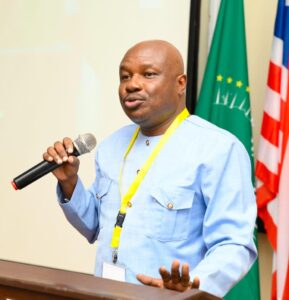
Ultimately, the presence of PS Shadrack Mwadime as the face of this initiative adds a layer of accountability. Leadership must go beyond endorsement; it requires active stewardship.
In a country where youth unemployment remains a pressing challenge, initiatives like this offer a glimpse of what is possible when government, education, and industry align.