


I have spent my career studying port operations across the globe, from Rotterdam to Singapore, and I have always held a particular interest in the development of East Africa’s maritime infrastructure.
Recently, I reviewed the Kenya Ports Authority’s feasibility study regarding proposed Public-Private Partnerships for key assets in Mombasa and Lamu. As an independent consultant with no stake in the outcome, I offer this assessment of what these proposals mean for Kenya’s economic future.
The central premise of the KPA proposal is sound. Kenya’s ports are undeniably the gateway for East African trade, handling not only the nation’s cargo but serving landlocked neighbors like Uganda, Rwanda, South Sudan, and Ethiopia.
The feasibility study projects that container demand could quadruple over the next twenty-five years. This is not speculation; it is a logical extension of regional population growth and economic ambition. The question is whether our current infrastructure and operational model can meet that demand.
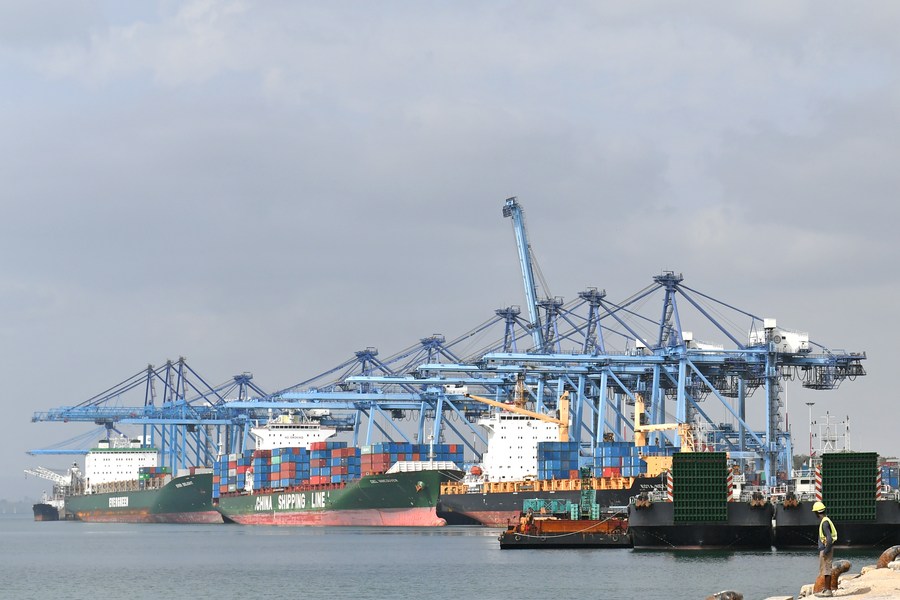
The study presents a sobering picture. Mombasa’s Berths 11-14, constructed in the 1950s, require an estimated KSh 45 billion in refurbishment. The quay is non-straight, lacks container handling cranes, and the yard space is inadequate.
Meanwhile, Lamu Port, a project of immense national vision, operates at roughly five percent of its capacity. These are not failures of management but rather indications that the scale of required investment has outstripped what the public purse can reasonably provide.
Kenya’s fiscal position, as outlined in the 2026 Medium-Term Debt Strategy, is constrained. Public debt sits at sixty-five percent of GDP, and debt service consumes over eighteen percent of revenue. In this environment, asking the Treasury to finance billions in port superstructure would mean diverting funds from health, education, and other social priorities. This is not an opinion but arithmetic.
This is where the Public-Private Partnership model merits serious consideration. Under the proposed structure, KPA would transition toward a landlord model, retaining one hundred percent ownership of all port land while private operators assume responsibility for cargo handling, equipment investment, and infrastructure development at specific terminals. The private partner would pay concession fees and royalties to KPA, sharing operational revenues while bearing construction, financing, and demand risks.
From my professional perspective, this risk allocation is appropriate. Construction risk, the danger of cost overruns and delays, would rest with the private partner. Commercial risk, the possibility that container volumes fall below forecasts, would likewise transfer to the operator.
KPA would retain its regulatory authority and strategic oversight while its financial exposure diminishes substantially. The feasibility study models this impact, showing KPA’s corporate value increasing by three to thirteen percent under various partnership scenarios while reducing public expenditure.
The bundling strategy also makes operational sense. In Mombasa, Berths 11-14 will be tendered alongside Berths 16-19, creating a balanced business case where revenues from the newer terminal support refurbishment of the older one. In Lamu, the port is bundled with the adjacent Special Economic Zone, recognizing that a port without industrial activity behind it cannot thrive. These are not arbitrary decisions but considered commercial structures.
I am often asked whether such arrangements disadvantage the local workforce. The feasibility study addresses this directly, outlining protections for KPA employees that include voluntary transfer with full benefits, secondment options, and explicit adherence to collective bargaining agreements.
These provisions, if properly enforced, provide meaningful safeguards. The involvement of domestic institutions like the National Infrastructure Fund as minority shareholders further roots these projects in Kenyan interests.
No honest assessment can ignore that Public-Private Partnerships have delivered mixed results elsewhere when poorly structured. The key variables are transparency, contract enforcement, and regulatory capacity. KPA has indicated it will conduct an open tender process under the 2021 PPP Act, with feasibility studies approved by the PPP Committee.
The projected timeline, with Request for Qualifications launching in April 2026 and partnerships commencing in 2027, appears realistic if the process maintains momentum.
What strikes me most about this proposal is its modesty. It does not claim that private operators will work miracles. It asserts that private capital and expertise can rehabilitate ageing infrastructure, that commercial discipline can improve efficiency, and that transferring certain risks can strengthen KPA’s financial position. These are reasonable claims supported by the evidence presented.
The alternative to these partnerships is not the status quo. The status quo involves continued underinvestment while demand grows, leading inevitably to congestion, higher shipping costs, and lost regional market share. That outcome serves no one.
As an independent observer, I find the case for moving forward compelling. The feasibility study has been completed, the fiscal rationale is clear, and the structural safeguards appear robust. Kenya now faces a choice between cautious progress toward modernized ports or continued constraint that leaves economic potential unrealized. For a nation that has always looked outward through its ports, the wiser course seems evident.