


TIME is ripe for the East African region to establish a structured system of regional coastal and inland waterways transport.
From the bustling port of Mombasa to the historic Swahili corridors of Lamu and Zanzibar, stretching southward to Kilwa and northward to the Comoros, the Western Indian Ocean unites coastal communities whose economic and cultural ties predate modern borders.
Inland, the vast freshwater systems of Lake Victoria, Lake Tanganyika, and Lake Malawi form equally vital arteries that remain largely underutilized. Together, these blue highways offer East Africa a ready-made transport network—one that has been historically overlooked but now promises sustainable growth, regional integration, and economic resilience.
For too long, transport policy across the region has remained anchored to roads and, to a lesser extent, rail. While essential, this over-reliance has created structural inefficiencies: coastal highways are chronically congested and expensive to maintain, while cross-border road transport is slowed by bureaucracy and crumbling infrastructure.
Meanwhile, the waters that lap against these same corridors remain largely idle. This imbalance is not a mere planning oversight—it is a strategic miscalculation that has constrained trade, limited mobility, and stifled innovation.
Efficiency
A regional waterways transport system—linking coastal towns and inland lake ports through scheduled, modern, efficient vessels—offers a compelling alternative. At its core lies the deployment of catamarans, whose speed, stability, and fuel efficiency make them ideal for passenger and light cargo services across both sea and lakes.
Regular catamaran services connecting Mombasa to Lamu, Zanzibar to Kilwa, or Pemba to the mainland would not only slash travel times but also transform movement into an extension of tourism and cultural exchange.
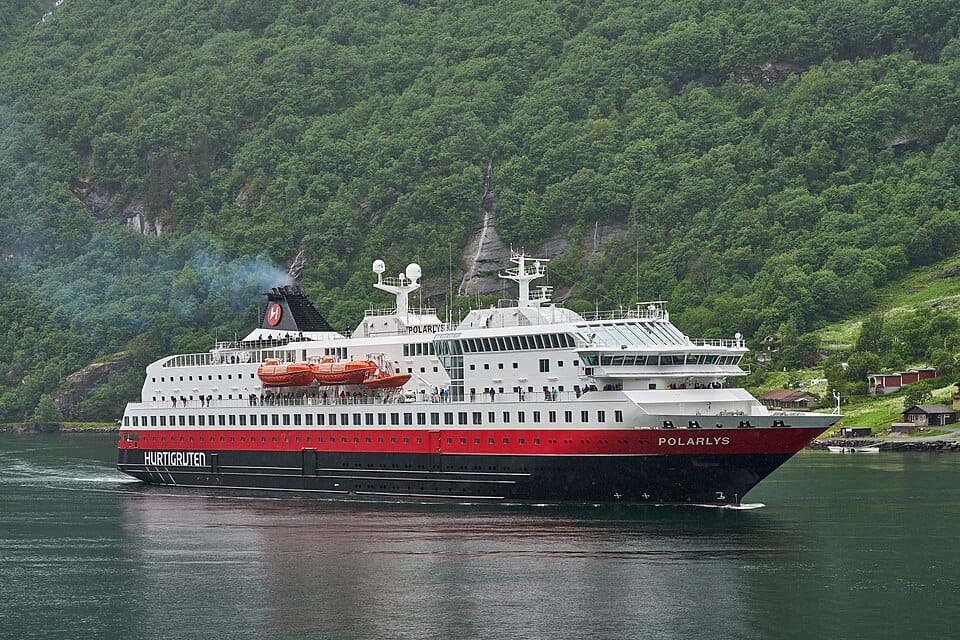
Globally, we need not look far for proof of concept. From the Global North, consider Norway’s coastal express route, Hurtigruten. For over a century, it has linked dozens of small fjord communities from Bergen to Kirkenes, moving passengers, mail, and freight where roads are impractical.
The result is year-round economic connectivity and a thriving tourism industry that benefits even the most remote villages. East Africa can adapt this model—not by copying cold-water vessels, but by embracing the same principle: scheduled, reliable waterborne services as a public utility.
Drawing lesson from Asia
From the Global South, Bangladesh offers an instructive parallel. With thousands of kilometers of rivers, Bangladesh operates one of the world’s largest inland water transport networks, moving over 30% of domestic freight and millions of passengers annually on mechanized vessels.
Despite challenges in safety and regulation, its experience proves that even a resource-constrained nation can make waterways the backbone of rural-urban connectivity. East Africa’s advantage is that we can leapfrog—learning from both Bangladesh’s scale and its safety struggles.
Beyond passengers, the economic case for freight via waterways is even more persuasive. Moving bulk cargo by water is significantly cheaper and more environmentally efficient than by road. A regional coastal shipping network could move goods between secondary ports and landing sites, reducing overreliance on major hubs while enhancing their strategic value.
The Port of Mombasa, for instance, would evolve from a singular gateway into a central node within a distributed maritime logistics system, feeding smaller ports along the Swahili coast and beyond. Similarly, ports on Lake Victoria, Tanganyika, and Malawi could be revitalized as key trade arteries linking landlocked regions to international markets.
AfCFTA vision
This vision aligns directly with the African Continental Free Trade Area (AfCFTA). The AfCFTA’s success depends on reducing intra-African trade costs—currently among the highest in the world—and waterways transport is a missing link.
By integrating coastal and lake ports into a regional network, East Africa can create efficient corridors for goods moving between landlocked countries like Uganda, Rwanda, Burundi, Malawi, and Zambia and global markets. AfCFTA’s ambition to boost intra-African trade by over 50% cannot be achieved on congested roads alone. Blue highways are not an alternative to AfCFTA’s infrastructure agenda—they are a prerequisite.
The implications for regional integration are profound. A coordinated waterways system would physically connect East African Community (EAC) member states and Indian Ocean neighbors in ways roads and rail cannot. It would ease cross-border trade, lower business costs, and foster a sense of shared economic destiny. Historical trade routes that once linked the Swahili coast to the hinterland could be revived in a modern context, reinforcing cultural ties while enabling contemporary commerce.
Tourism, a cornerstone of many East African economies, stands to benefit immensely. Imagine seamless sea journeys linking the heritage sites of Lamu and Zanzibar, the tranquil beaches of Pemba, and the ancient ruins of Kilwa. Inland, lake cruises across Victoria, Tanganyika, and Malawi could open new frontiers for eco-tourism and cultural exploration, spreading benefits to communities long on the margins.
However, realizing this vision demands more than recognition—it requires deliberate, coordinated action. Governance structures must be streamlined to eliminate fragmentation, ensuring waterways transport is treated as a core transport pillar. Regional bodies must harmonize regulations, safety standards, and operational protocols to enable seamless cross-border movement.
Infrastructure investment is equally critical: developing and rehabilitating ports, jetties, and terminals, plus establishing vessel maintenance facilities. Safety systems—navigation aids, search and rescue—must be strengthened to build public confidence. Without a strong safety framework, even the best-designed systems will struggle.
Funding aspect
Financing this will require innovative thinking. Public-private partnerships offer a viable path, especially for vessel acquisition and service operations. Governments can play a catalytic role with policy support and initial investments that attract private capital. Development finance institutions, recognizing the environmental and economic benefits of water transport, should also be willing partners.
Environmental sustainability must remain at the forefront. Water transport naturally offers a lower carbon footprint than roads, aligning with global climate goals. But increased activity must be managed carefully to protect fragile marine and freshwater ecosystems. This demands strict environmental regulations and a commitment to cleaner vessel technologies.
Ultimately, establishing a regional coastal and inland waterways transport system is about more than infrastructure—it is about mindset. It requires East Africa to rediscover its relationship with the water that surrounds and traverses it. The Indian Ocean and the great lakes are not obstacles to be bridged; they are highways to be navigated, opportunities to be seized.
In an era defined by the need for sustainable, inclusive, and resilient growth, the answer may well lie in looking outward—to the sea—and inward—to the lakes. By reclaiming these blue highways, East Africa can unlock a future where movement is faster, trade is cheaper, tourism is richer, and the region is more deeply connected than ever before. With AfCFTA as the policy wind in our sails, now is the time to launch.