


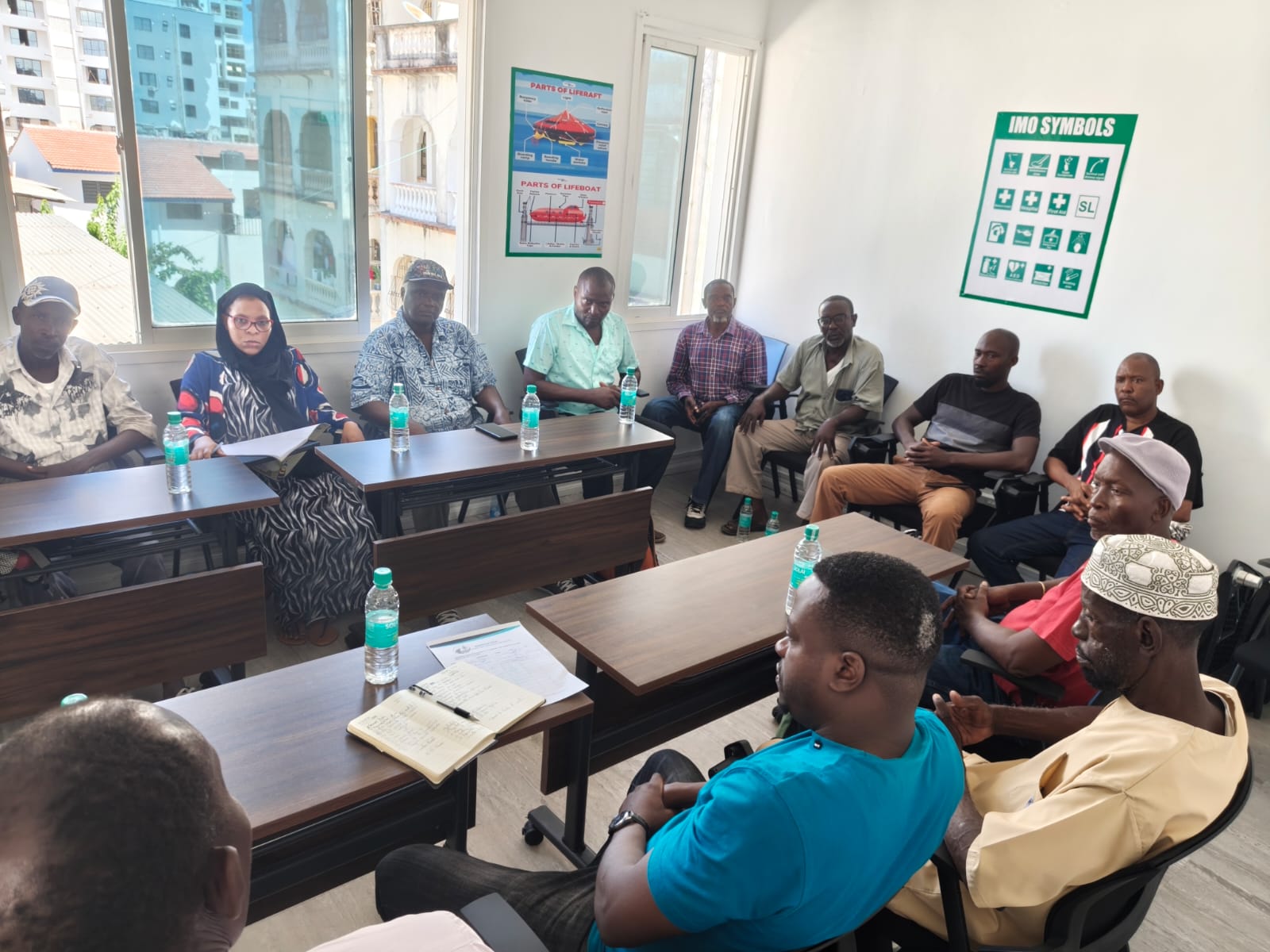
In a sector long fractured by competing interests, personal egos, and institutional silos, the Seafarers Union of Kenya (SUK) has taken a decisive and welcome step toward genuine collaboration.
The recent meeting convened by SUK Chair Captain Peter Munga—bringing together representatives from Kesewela, the Mkunazini Group, the Seafarers Movement Group, and others—was more than just another gathering.
It marked what participants rightly called the first meeting of its kind in years: a sincere effort to bury past differences and place the welfare of the Kenyan seafarer at the centre of collective action.
This development is both timely and necessary. Kenyan seafarers operate in one of the world’s most demanding and competitive industries.
Whether working offshore on merchant vessels, tankers, or cruise ships, or navigating the uncertain realities of life onshore between contracts, they face shared challenges.
Key challenges are delayed remittances, inadequate welfare support, limited access to continuous professional development, exploitative recruitment practices, and insufficient representation in national maritime policy. For too long, these issues have been tackled in isolation by different groups, diluting impact and allowing problems to persist.
The consensus emerging from the meeting—that SUK serves as the mother umbrella for all Kenyan seafarers—is both pragmatic and strategically sound. Unity under a recognised national union does not require dissolving other associations. Instead, it calls for coordinated action through clear frameworks, such as Memoranda of Understanding (MOUs).
This structured collaboration can prevent duplication of efforts, strengthen advocacy with government bodies, shipping companies, and international regulators, and create a more powerful, unified voice when addressing critical concerns like employment opportunities, fair contracts, mental health support, and repatriation rights.
Captain Munga’s emphasis on establishing common goals and working as a team deserves applause. Leadership in the maritime sector requires precisely this kind of maturity: the ability to acknowledge past divisions without being imprisoned by them. That all parties “echoed the need to work together” signals a maturing of Kenya’s seafarer advocacy space. It reflects a growing realisation that individual group victories are ultimately hollow if the broader community continues to struggle.
The decision to hold a follow-up stakeholders’ meeting on Wednesday, 3rd June, at 11:00 a.m. in the Harbour View Institute board room is concrete evidence of seriousness. Equally important is SUK’s commitment to formally respond to Kesewela’s previous official letters and convene a roundtable. These gestures demonstrate good faith and a willingness to move from rhetoric to structured engagement.
Why this matters for Kenya
Kenya’s maritime ambitions are significant. With the Port of Mombasa as a critical regional gateway, the LAPSSET corridor vision, and growing Blue Economy aspirations, the country needs a skilled, motivated, and well-protected seafaring workforce.
A divided seafarer community weakens Kenya’s negotiating position with international shipowners and maritime training institutions. A united front, conversely, can push for better training standards, increased cadetship opportunities, fairer employment terms, and stronger welfare mechanisms.
Seafarers are not merely workers; they are Kenya’s ambassadors on the global stage. Every successful Kenyan officer on a foreign vessel enhances the country’s reputation. Every case of abandonment or unfair dismissal that goes unaddressed damages it. Collective strength is therefore not a luxury—it is a strategic necessity.
This editorial board welcomes the initiative wholeheartedly. Too often in Kenya, professional and labour movements have been undermined by fragmentation. The seafarer community now has an opportunity to set a different example—one rooted in pragmatism, shared purpose, and long-term thinking.
The way forward
Success will depend on several factors. First, the MOUs must be comprehensive yet flexible, clearly defining roles while allowing specialised groups to continue their valuable niche contributions.
Second, transparency and regular communication with ordinary seafarers—both onshore and offshore—will be essential to maintain trust. Third, the movement must remain focused on substantive issues rather than descending into new power struggles.
We urge all parties to approach the June 3rd meeting with open minds and a commitment to deliver tangible outcomes. Captain Munga and the SUK leadership have set the tone. The response from other groups in the coming weeks will determine whether this becomes a historic turning point or merely another well-intentioned but ultimately ineffective gathering.
The Kenyan seafarer—whether a deck cadet dreaming of command, a seasoned engineer battling fatigue at sea, or a family member waiting anxiously for news and remittances—deserves better than fragmented advocacy. They deserve a united, professional, and results-oriented movement that relentlessly champions their rights, safety, and prosperity.
The meeting convened by SUK offers genuine hope. If sustained with integrity and follow-through, this spirit of collaboration could transform the lives of thousands of Kenyan seafarers and strengthen Kenya’s position in the global maritime industry for decades to come.
The time for division is over. The era of collective progress must begin in earnest.