


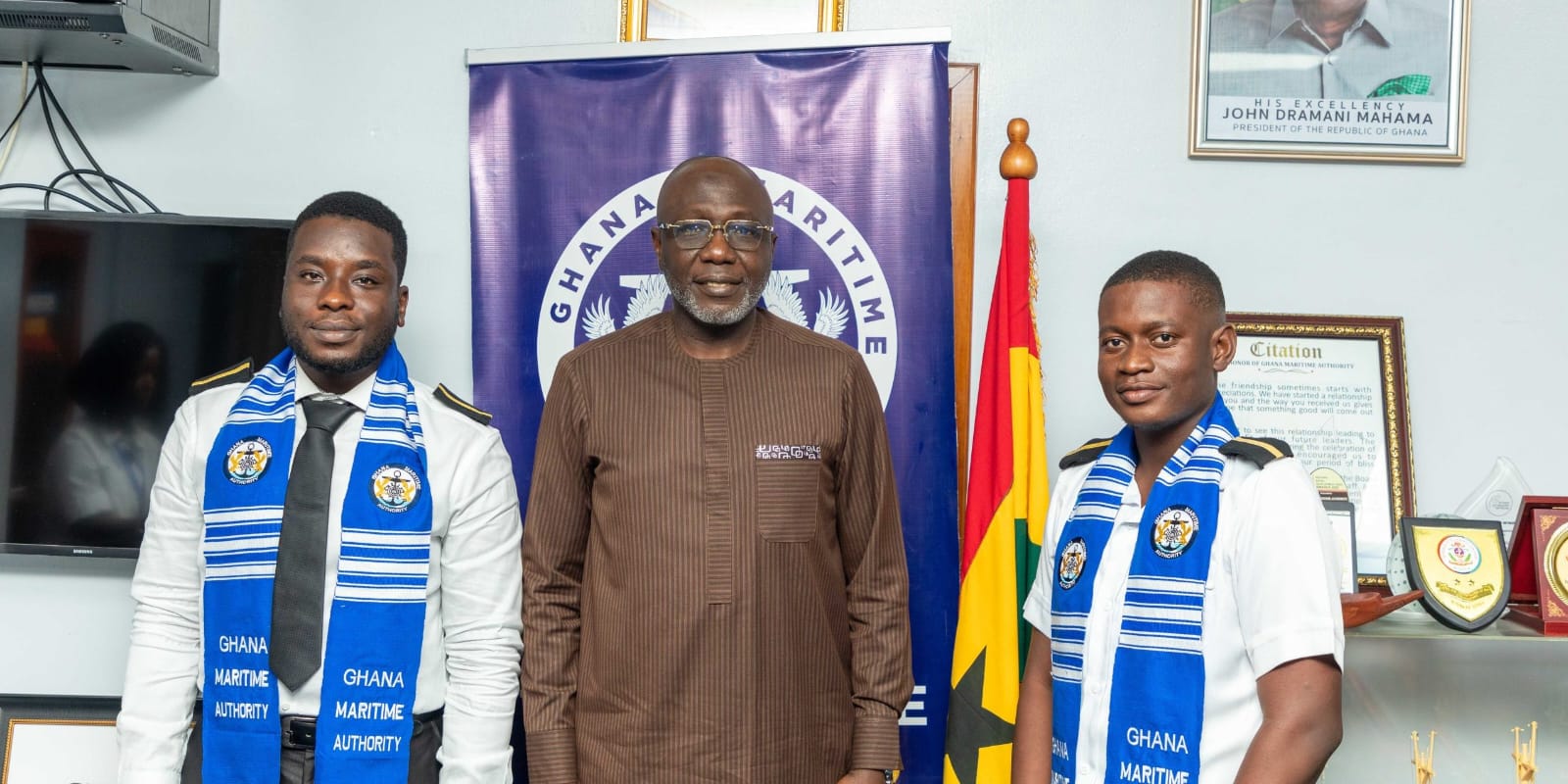
Ghana’s recent success in securing sea-time placements for a new cohort of cadets with Pacific International Lines (PIL) offers a timely and instructive mirror for Kenya. The Ghana Maritime Authority (GMA), under Director-General Dr. Kamal-Deen Ali, facilitated deployments that include the first graduate from Kwame Nkrumah University of Science and Technology’s (KNUST) Marine Engineering programme. Four cadets—two already departed—were selected after rigorous assessment, following strategic engagements with major shipping lines. This is not merely a ceremonial achievement. It is the product of deliberate institutional advocacy, recognition of systemic barriers, and a clear-eyed proposal for sustainable solutions.
Kenya shares the same structural bottlenecks that Ghana is confronting. Bandari Maritime Academy (BMA) and other institutions produce graduates in nautical science and marine engineering who meet STCW standards in the classroom. Yet hundreds remain stranded ashore because mandatory sea-time—typically 12 months of structured onboard service—remains scarce. Recent partnerships with Danica Crewing Specialists, CMA CGM and others have begun to open doors, with groups of 10–12 cadets flagged off. These are welcome steps, but they are not yet a system.
Official assessments and industry voices consistently flag inadequate institutional funding, limited HELB access for specialised maritime programmes, the absence of a national training vessel, and insufficient placement capacity relative to the growing pool of trainees. Families invest heavily; young people complete theory only to face years of uncertainty, exploitation by unscrupulous agents, or abandonment of the profession altogether. This is a quiet policy failure that undermines Kenya’s blue economy aspirations and the ambition to place tens of thousands of seafarers in the global labour market.
The Ghanaian experience is instructive precisely because it is candid. Dr. Ali publicly stated that training a cadet at the Regional Maritime University costs between $37,000 and $40,000—far too expensive if the country wants to expand access aggressively. He used the courtesy call by the new cohort to call for a structured conversation on sustainable funding and proposed a Seafarers Development Fund. Contributions would come from state agencies, industry stakeholders and seafarers themselves. The fund would finance education, expand opportunities and provide a safety net for seafarers stranded abroad. He charged the cadets with disciplined performance, reminding them that their conduct will either open or close doors for the next generation. Deputy directors with sea experience reinforced the practical realities: culture shock, multi-tasking from welder and wiper to watchkeeper, and the necessity of asking questions and absorbing knowledge.
Kenya should respond with equal honesty and comparable ambition—diplomatically, constructively, and without defensiveness.
First, institutionalise proactive placement diplomacy. The GMA’s direct engagement with PIL and other lines did not happen by accident. Kenya’s Ministry of Mining, Blue Economy and Maritime Affairs, Kenya Maritime Authority and Bandari Maritime Academy have already signed useful MoUs and secured incremental slots. These efforts must be scaled into a permanent, well-resourced national cadet nomination and placement unit that systematically approaches major shipowners and managers, presents Kenyan cadets as English-proficient, professionally prepared talent, and negotiates structured quotas. Performance of the current cohorts must be tracked and publicised so that success compounds trust. Every cadet who performs well is an ambassador who multiplies future berths.
Second, confront the cost and funding barrier with dedicated, predictable mechanisms rather than ad-hoc bursaries. Kenya has made progress—KMA has increased bursary allocations and fees for some programmes have been adjusted—but maritime training remains expensive and HELB support is uneven because of institutional classification issues. A Kenyan Seafarers Development Fund, structured along the lines Ghana is exploring, should be established to pool contributions from government, shipping and port stakeholders, and a modest contribution from serving seafarers once they begin earning. Critically, this fund should be underpinned by a modest, transparent merchant shipping levy applied to commercial vessels calling at Kenyan ports or on cargo throughput. Such a levy—carefully calibrated so as not to undermine port competitiveness—would generate a reliable, industry-linked revenue stream dedicated exclusively to seafarer training, sea-time placement costs, welfare support and related capacity-building. Combined, the Fund and the merchant shipping levy would convert individual hardship into collective investment, reduce dependence on unpredictable annual budget allocations, and signal seriousness to international partners that Kenya is prepared to finance its own maritime human-capital pipeline.
Third, resolve the training-vessel gap with pragmatism. Kenya lacks a dedicated training ship and relies entirely on foreign placements. Conversations about converting decommissioned naval vessels or accepting offers of support must move from discussion to decision with clear timelines and realistic costing. In parallel, the country should continue expanding bilateral and commercial partnerships while ensuring that all placements meet STCW requirements and lead to Certificates of Competency issued by KMA without unnecessary delay.
Fourth, treat cadets as strategic human capital rather than residual beneficiaries. The emotional and financial strain on families whose children complete theory but cannot complete certification is real and corrosive. Transparent waiting lists, regular progress reporting, and protection against fraudulent agents should be standard. Success stories—Kenyan officers rising through ranks—should be celebrated nationally so that maritime careers become aspirational rather than frustrating.
None of this requires reinventing the wheel or criticising past efforts. Kenya has invested in infrastructure, established BMA as a regional centre of excellence, and begun building the partnership architecture. The missing pieces are scale, sustained funding architecture—including both a Seafarers Development Fund and a carefully designed merchant shipping levy—and institutional urgency equal to the opportunity. Global shipping faces demographic pressures in traditional seafarer-supplying nations. English-speaking, well-trained African officers are in demand. Ghana is moving deliberately to capture that demand. Kenya can and should do the same—diplomatically engaging partners, honestly acknowledging remaining gaps, and building the funding and placement systems that turn classroom graduates into certified, employed seafarers who remit foreign exchange and raise the national flag on the world’s oceans.
The cadets now boarding vessels from Accra and Mombasa carry more than their own ambitions. They carry the credibility of their countries’ maritime institutions. Their performance will determine how wide the next door opens. The responsibility of government is to ensure that door is not left half-closed by avoidable structural barriers. Ghana has shown one workable path. Kenya has the institutions, the talent and the strategic interest to walk it—with greater speed, greater honesty about costs, and greater determination to turn blue-economy rhetoric into blue-economy results.