


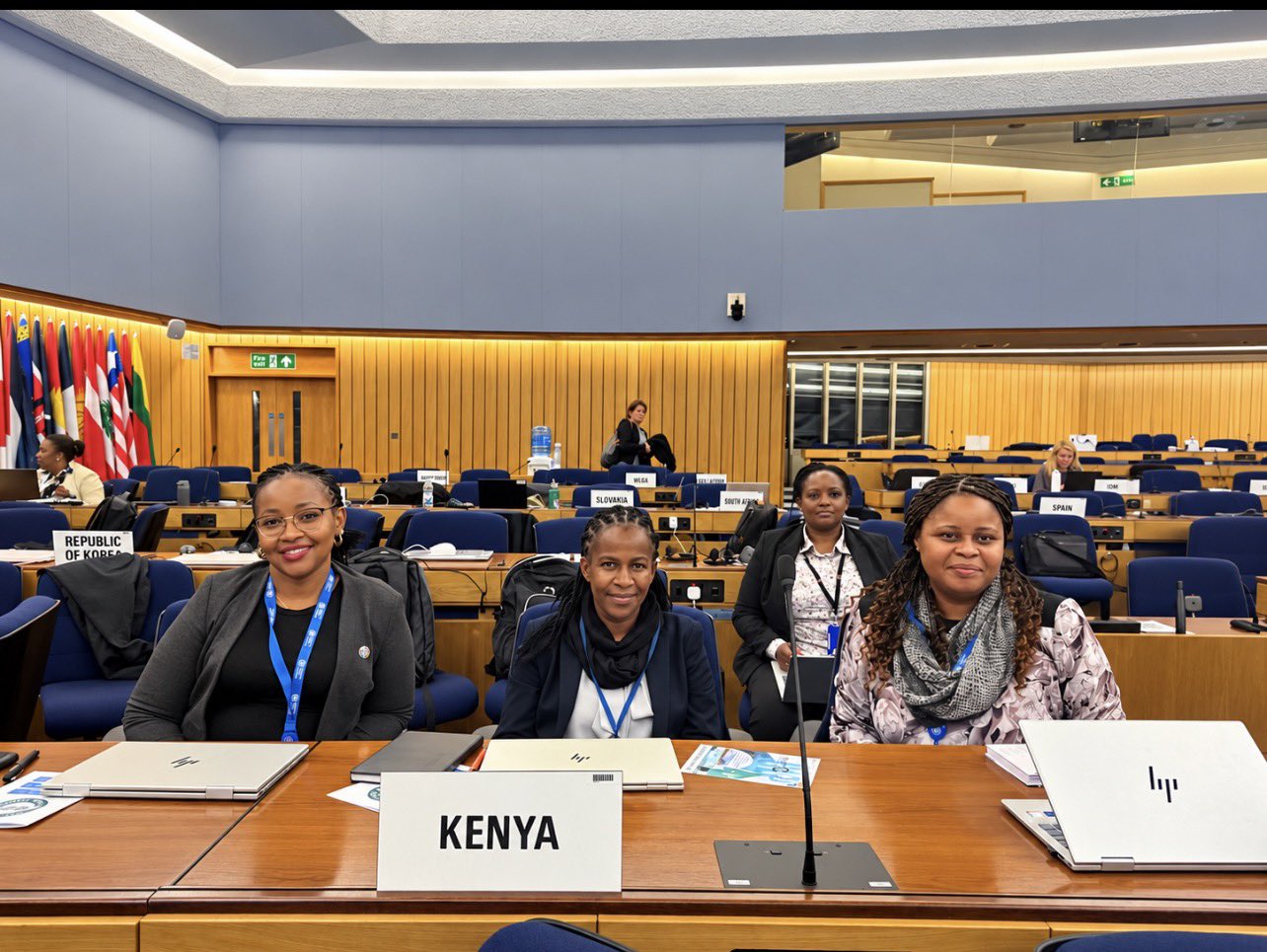
In the quiet corridors of the International Maritime Organization headquarters in London, a vital piece of the world’s environmental and maritime architecture is at work. Following confirmation of a quorum, the Chairs formally opened the 31st session of the 1992 Fund Assembly, the 87th session of the 1992 Fund Executive Committee, and the 23rd session of the Supplementary Fund Assembly. These gatherings of the International Oil Pollution Compensation (IOPC) Funds, running from 20 to 23 October 2026 in a hybrid format, are more than procedural formalities. They represent the ongoing maintenance of one of the most successful international liability and compensation regimes ever devised—one that has delivered billions in compensation to victims of tanker oil spills while shielding both coastal states and the shipping industry from the worst financial and environmental fallout.
The IOPC Funds sit at the heart of a two-tier (and, for many states, three-tier) system built on the 1992 Civil Liability Convention and the 1992 Fund Convention, supplemented since 2005 by the Supplementary Fund Protocol. When a tanker spills persistent oil, the shipowner’s liability under the CLC is the first line of defence, backed by compulsory insurance. If that proves insufficient or unavailable, the 1992 Fund steps in, financed by contributions from oil receivers in Member States. For parties to the Supplementary Fund, an additional layer raises the total available compensation to 750 million Special Drawing Rights per incident. This architecture has proved remarkably resilient through major incidents over decades, ensuring that fishermen, tourism operators, local governments, and ecosystems are not left to bear the costs alone.
This week’s sessions arrive at a moment of both continuity and pressure. The reappointment of Director Gaute Sivertsen for a second five-year term—announced as one of the key moments of the meetings—signals Member States’ confidence in steady leadership as the organisation navigates an increasingly complex landscape. Sivertsen’s first term has coincided with heightened geopolitical friction, the lingering effects of sanctions regimes, and persistent challenges around oil reporting and contributions. Documents prepared for the October sessions explicitly address the potential impact of geopolitical events on the international liability and compensation regime, the status of the STOPIA and TOPIA agreements that help distribute risk between the Funds and the P&I Clubs, measures to improve oil reporting compliance, and the financial health of the system through investment and audit reports.
These are not abstract bureaucratic concerns. Incomplete or delayed oil reports undermine the fairness and solvency of the contribution system. Sanctions and the rise of a “shadow fleet” of tankers operating with uncertain insurance arrangements raise the risk of incidents for which compensation may be harder to secure. The Funds’ work on cooperation with commercial P&I insurers and the development of indemnification cover for smaller tankers reflects a pragmatic effort to close gaps before they become crises. At the same time, the organisation is preparing for the entry into force of the 2010 Hazardous and Noxious Substances (HNS) Convention in November 2027—an expansion of the compensation model beyond persistent oil that will require careful institutional readiness.
The hybrid format itself is a quiet success story. After years of pandemic-driven experimentation and subsequent formalisation, remote-active participation now sits alongside in-person attendance at IMO headquarters. This broadens access for smaller or more distant Member States without sacrificing the deliberative quality that face-to-face meetings provide. The annual induction course held the day before the sessions—drawing 21 delegates from 17 states—further strengthens the system by equipping newer representatives with practical knowledge of claims handling, reporting obligations, and the conventions’ implementation in national law.
That member-state engagement was underscored by Kenya’s role in the proceedings. During the 31st Session of the 1992 IOPC Fund Assembly at the International Maritime Organization (IMO), Ms. Stellamaris Muthike, Principal Marine Environment Protection Officer at the Kenya Maritime Authority (KMA), was re-elected as the 2nd Vice-Chair of the 1992 IOPC Fund Assembly for a fourth consecutive term, serving until the next regular session. In another significant milestone, Kenya was also re-elected to the 1992 Fund Executive Committee, reaffirming the country’s continued role in global maritime governance, marine environmental protection, and oil pollution compensation matters. These achievements reflect the confidence of the international maritime community in Kenya’s leadership, expertise, and commitment to protecting our oceans.
Critics sometimes dismiss these meetings as technocratic exercises far removed from the drama of oil-soaked beaches. That view misunderstands their purpose. Effective compensation regimes work best when they are boring—when the rules are clear, the finances are sound, the claims process is predictable, and the political will to maintain them remains intact. Every decision on budgets, contribution assessments, Executive Committee membership, Audit Body appointments, and policy responses to geopolitical risk is an investment in that predictability. When the next major spill occurs—and history suggests it will—the difference between chaos and orderly recovery will rest in large part on the quiet work done this week in London.
The IOPC Funds do not prevent spills; prevention is the domain of flag states, classification societies, port state control, and industry best practice. What they do is ensure that when prevention fails, the victims are not left without remedy and the polluter—or the industry that benefits from the trade—pays. In an era of heightened maritime risk, contested supply chains, and growing pressure on the oceans, preserving and adapting that principle is not optional. It is a practical expression of shared responsibility.
As the Chairs guide delegates through the remaining agenda items—financial statements, contribution levies, ongoing incident updates, and the forward calendar—the real test will be whether Member States translate procedural consensus into sustained political and administrative commitment at home. Oil reporting must improve. National implementation of the conventions must remain robust. Engagement with the coming HNS regime must accelerate. The quorum that allowed these sessions to open is a necessary condition; continued vigilance and good faith among the parties will determine whether the system remains equal to the challenges ahead.
The international community has built something rare: a functioning global insurance mechanism for a classic transboundary harm. This week’s meetings in London are a reminder that such institutions do not maintain themselves. They require attention, resources, and the quiet determination of states to keep the safety net intact.