


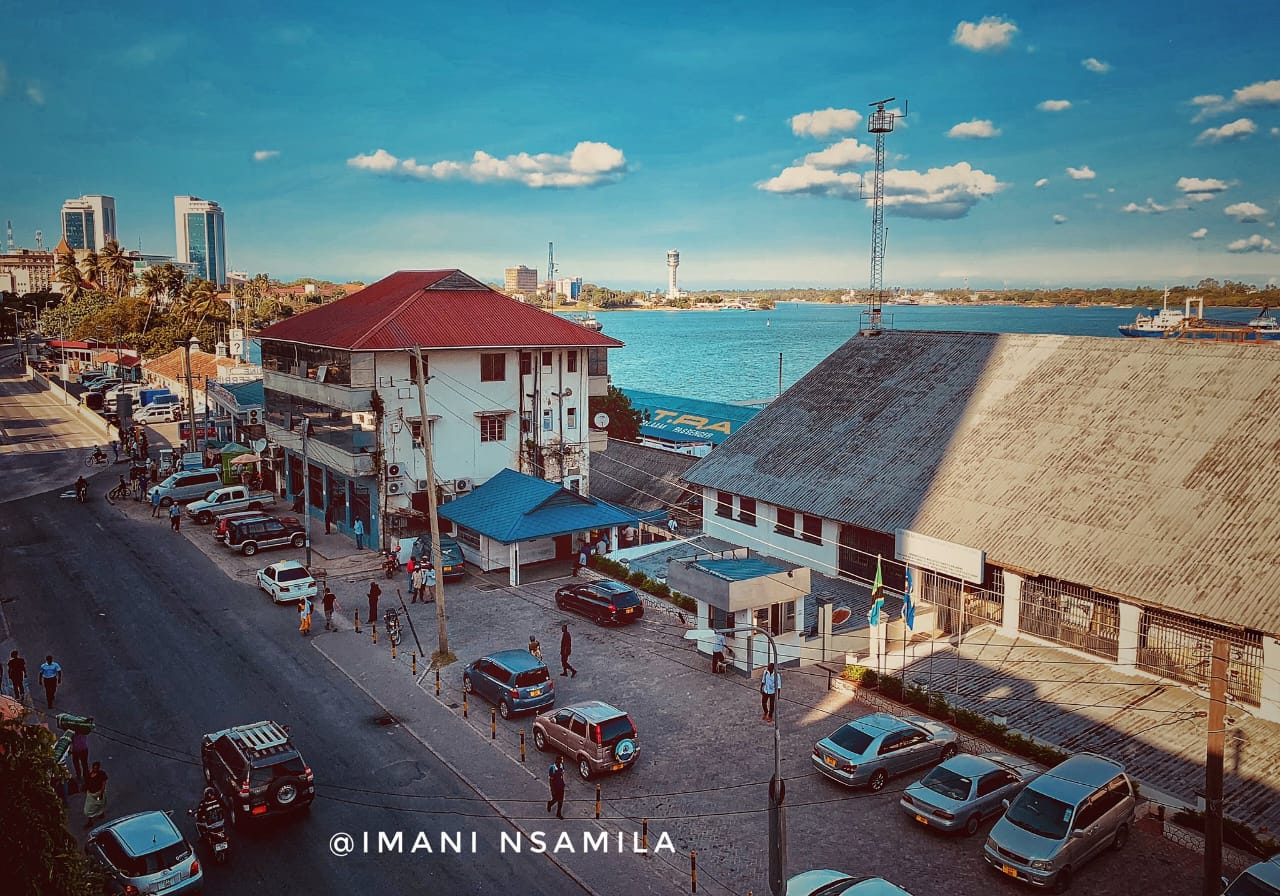
Ministers from more than 20 countries, meeting under the Maritime Organisation for Eastern, Southern and Northern Africa (MOESNA), have decided to locate the new Maritime University for Eastern, Southern and Northern Africa (MUESNA) in Tanzania. The decision is more than a diplomatic win for Dar es Salaam. It is a concrete step toward closing a long-standing gap in regional capacity: the absence of a shared, high-standard institution dedicated to producing the officers, ratings, surveyors, managers and researchers that Eastern, Southern and Northern African shipping needs.
At the 10th Assembly of Ministers in mid-October 2026, member states approved the university’s establishment alongside parallel ambitions for a regional shipping network and a maritime cabotage framework. The stated goals are clear: to address chronic skills shortages, harmonise training standards, and reduce the region’s heavy reliance on foreign shipping companies and foreign-trained personnel.
The Structural Gap MUESNA Aims to Fill
The MOESNA region has long lagged behind other African sub-regions in coordinated maritime education. West Africa already operates regional maritime universities serving Anglophone and Francophone countries; North Africa has a regional institution in Egypt. Until now, the MOESNA region has relied on a patchwork of national institutes of uneven quality and capacity. The result has been fragmented standards, limited scale, and persistent shortages of certified seafarers and specialised professionals.
MOESNA itself has evolved from the 1967 Intergovernmental Standing Committee on Shipping (ISCOS), founded by Kenya, Tanzania, Uganda and Zambia. Its rebranding and geographic expansion reflect a recognition that the Western Indian Ocean, South Atlantic approaches and Red Sea trade routes bind these economies together—and that collective action is required on shipping competitiveness, safety, security and the blue economy. A regional university is the logical next institutional layer.
Tanzania’s selection is unsurprising. The Port of Dar es Salaam is a critical gateway for landlocked neighbours, handling rising volumes of transit cargo. The country already hosts the Dar es Salaam Maritime Institute (DMI), which has an existing memorandum of cooperation with MOESNA focused on skills exchange and practical training. A World Maritime University framework for host-country selection emphasised governance, infrastructure, accessibility, financial commitment and industry support—criteria Tanzania appears to have met.
Strategic Opportunities
If properly designed and funded, MUESNA can deliver several interlocking benefits.
First, it can raise the quality and volume of maritime training to international standards (STCW and beyond), producing graduates who can compete for global seafaring jobs. Countries such as the Philippines and Indonesia demonstrate how large-scale seafarer training generates substantial remittances and soft power; Africa has the demographic base to replicate elements of that model.
Second, a shared university can help underwrite the parallel policy goals of regional shipping lines and cabotage. Without competent crews, superintendents and regulators, any African-owned tonnage risks remaining under foreign management or failing commercial and safety tests. Human capital is the binding constraint.
Third, the institution can support AfCFTA logistics ambitions by supplying the technical expertise needed for efficient multimodal corridors, port performance improvement and digital trade facilitation. Research and innovation functions—if adequately resourced—could address region-specific challenges: tropical operations, climate resilience of coastal infrastructure, and the interface between fishing, offshore energy and port operations.
The Implementation Risks That Cannot Be Wished Away
Announcements are easy; sustained delivery is hard. Several risks stand out.
Funding and governance. Member states have agreed in principle to cooperate on financing, with Tanzania taking the lead. Experience with other African regional institutions shows that initial enthusiasm often fades into arrears and diluted standards. Clear, multi-year commitments, transparent procurement and a governance structure that balances host-country operational control with genuine regional ownership will be essential.
Curriculum and quality assurance. A regional university must not become the lowest common denominator of existing national programmes. Partnerships with the World Maritime University and other established institutions will be valuable, but ultimate success depends on rigorous accreditation, continuous faculty development, and modern simulators and training vessels.
Pace and sequencing. Some earlier discussions contemplated starting as a virtual network linking existing colleges before building a physical campus. That phased approach remains prudent. Premature construction without secured operating budgets or student pipelines would create white-elephant risk.
Equity and inclusion. Landlocked members and smaller states must see tangible returns—scholarships, faculty secondments, research collaboration and recognition of their national institutes—if political support is to endure. Gender inclusion in a traditionally male-dominated profession also requires deliberate design.
What Success Would Look Like
Within five to seven years, a credible MUESNA would show rising numbers of internationally certificated officers and ratings from the region, measurable improvement in the competitiveness of regional shipping services, and a growing body of applied research relevant to African maritime conditions. It would function as a genuine centre of excellence rather than a prestige project.
Tanzania now carries both the opportunity and the responsibility. Hosting confers soft power and economic spillovers, but it also places the host under heightened scrutiny. The rest of the membership must match rhetoric with resources and sustained political attention.
Africa’s trade volumes are growing; the share of that trade carried on African-owned or African-crewed vessels remains modest. Closing the human-capital gap is a necessary, though not sufficient, condition for changing that picture. MUESNA is the right institutional response. Whether it becomes a transformative success or another under-powered regional initiative will depend on the discipline of implementation that follows the applause in Dar es Salaam.
Andrew Mwangura is a maritime safety analyst and editor of the Maritime Business Review.