


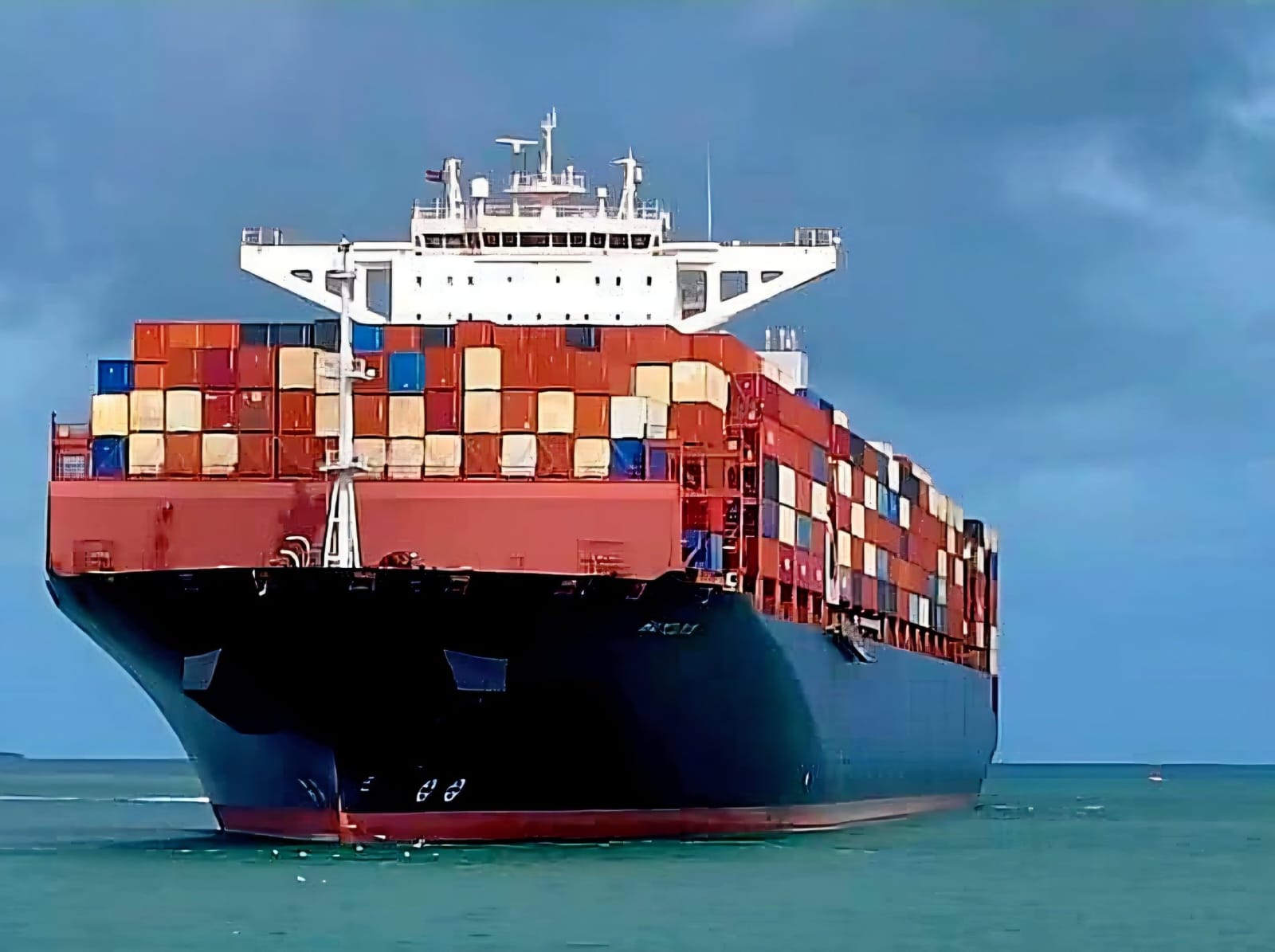
Kenya is preparing to open major assets at the ports of Mombasa and Lamu—along with associated inland container depots—to private investors under a public-private partnership programme expected to draw roughly $1.17 billion (about KSh151.9 billion). The first phase, covering four key assets, is pegged at around $615 million, with the Kenya Ports Authority (KPA) committing $60 million (KSh7.79 billion) as a co-investor. A second phase of similar scale is in preparation. The state will retain ownership of the infrastructure while private operators finance development, upgrades, and day-to-day operations.
This is not a fire-sale privatisation. Officials have been careful to frame it as a shift to the classic landlord-port model: KPA keeps the land, core infrastructure, and strategic oversight; private concessionaires bring capital, equipment, operational expertise, and efficiency under time-limited agreements, paying fees in return. The model is used successfully at many of the world’s busiest ports precisely because it unlocks private money and know-how without surrendering long-term public control of strategic gateways.
Why This Matters Now
Mombasa remains East Africa’s premier gateway, serving Kenya and landlocked neighbours including Uganda, Rwanda, South Sudan, and parts of the Democratic Republic of Congo. Lamu is the centrepiece of the LAPSSET corridor ambition—linking Kenya’s northern coast to Ethiopia and South Sudan and creating a second major artery. Both ports have posted strong cargo growth, yet they face the classic constraints of ageing infrastructure, capacity bottlenecks, and the heavy capital demands of modern container handling, dredging, and yard expansion.
Berths 11–14 in Mombasa, for example, date to mid-20th-century standards. Plans call for realignment, deeper dredging (to around 15 metres), and a jump in yard capacity from roughly 300,000 TEU toward 900,000 TEU annually. Container Terminal 1 and Lamu’s first three berths—with a design capacity of 1.2 million TEU—similarly need investment to realise their potential. Lamu itself has operated far below design capacity since commissioning. The Treasury has emphasised structuring the assets as a connected portfolio rather than fragmented deals, reflecting shared access channels, yards, and logistics systems.
Private capital is being sought because the state cannot fund everything at the pace required without adding to already elevated public debt pressures. Projections attached to the broader transition speak of potential annual cash-flow gains in the tens of billions of shillings if execution succeeds—money that could reduce reliance on Treasury support and free KPA to focus on regulation, planning, and oversight.
The Upside Case
Done well, the concessions can deliver three clear benefits.
First, faster modernisation. Private operators with global terminal experience typically bring modern equipment, digital systems, and performance discipline that state-run operations sometimes struggle to match under budget and procurement constraints. Reduced vessel turnaround times and higher berth productivity translate directly into lower logistics costs for importers, exporters, and transit cargo.
Second, expanded capacity and corridor competition. A more efficient Mombasa plus a commercially viable Lamu strengthens Kenya’s position against regional rivals and creates optionality for shippers. The integration of Lamu Container Terminal with the adjacent Special Economic Zone is particularly interesting: it pairs maritime capacity with industrial and logistics land, potentially catalysing manufacturing and value-addition rather than pure transit trade.
Third, fiscal and institutional discipline. Co-investment by KPA aligns incentives. Concession fees provide a recurring revenue stream. The landlord structure, if contracts are tightly written, preserves public ownership of irreplaceable national assets while transferring operational and demand risk to parties better placed to manage it.
The Risks That Cannot Be Wished Away
The programme’s success is far from automatic. Several risks stand out.
Tariff and access risk is foremost. Private operators will seek returns. Poorly designed fee structures, performance incentives, or regulatory oversight could result in higher charges for users or preferential treatment of certain cargoes. Because these ports handle fuel, food, manufactures, and transit cargo vital to multiple economies, tariff outcomes will have regional spillovers. Transparent, competitive bidding and strong independent regulation of tariffs and service levels are non-negotiable.
Execution and sequencing risk is real. Portfolio structuring makes sense operationally but raises complexity in tender design, evaluation, and post-award coordination. Shared infrastructure means one underperforming concessionaire can impose externalities on others. Kenya’s PPP track record contains both successes and cautionary tales of delays, renegotiations, and political interference. Investor confidence will hinge on the credibility of the tender process, the bankability of contracts, and the government’s willingness to honour long-term commitments across election cycles.
Labour and social licence questions will surface. Port operations are employment-intensive and politically sensitive in Mombasa and Lamu. Clear plans for workforce transition, skills upgrading, and local content will be essential to avoid industrial disruption or community opposition.
Finally, there is the financing question for KPA’s own $60 million contribution and the broader institutional evolution of the Authority. Clarity on funding sources and on whether legislative changes to KPA’s corporate form are contemplated will matter to both investors and the public.
Getting the Incentives Right
The difference between a transformative programme and a costly disappointment will lie in contract design and governance. Competitive, transparent tenders that attract serious global and regional terminal operators; performance metrics tied to productivity, reliability, and environmental standards; clear rules on tariff adjustment and dispute resolution; and robust monitoring by an empowered regulator are the minimum requirements. The portfolio approach should be matched by portfolio-level oversight so that the sum of the concessions improves the competitiveness of the entire system rather than creating siloed fiefdoms.
Kenya has already begun testing the landlord model on a smaller scale—for example at Shimoni. Scaling it to core Mombasa and Lamu assets is a different order of magnitude. The decision to retain ownership while inviting private capital is sound in principle. Whether it delivers higher efficiency, lower logistics costs, and stronger regional connectivity will depend on the quality of execution over the next several years.
For East Africa’s traders, manufacturers, and consumers, the stakes are high. A well-run concession programme can make Kenya’s ports sharper instruments of regional integration and economic competitiveness. A poorly structured one risks transferring rents without delivering commensurate performance gains. The coming tender process will reveal which path Kenya is choosing.