


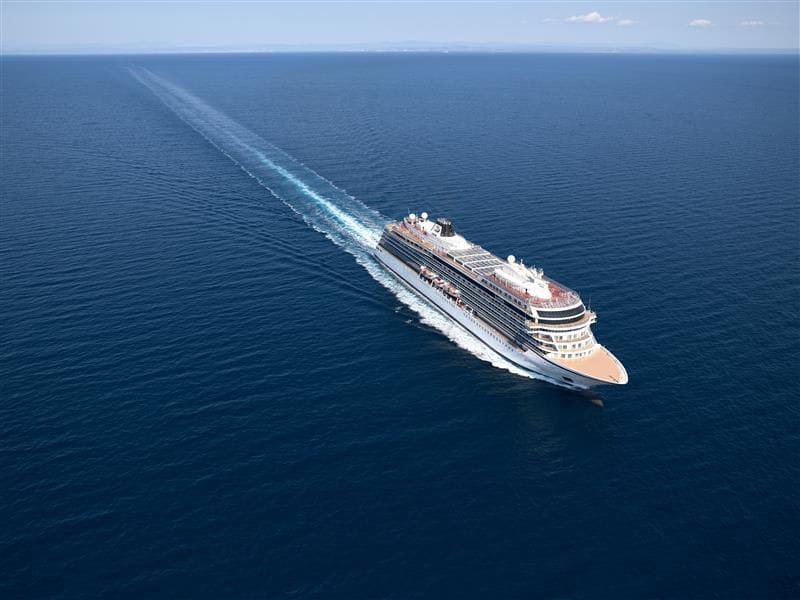
A recent recruitment drive in Mombasa captures a quiet but significant moment: Seaforth Shipping, supporting Viking Cruises, actively seeking Kenyan talent for hospitality roles at the Kenya Coast National Polytechnic. The scene was practical—recruiters meeting potential candidates at a public training institution—yet it signals something far larger. Kenya is building structured pathways into international maritime employment, beginning with the accessible hospitality segment of cruise operations. This is not charity or a one-off corporate gesture. It is a market-driven response to global crew shortages meeting Kenya’s youth employment challenge—an initiative that deserves serious policy attention, not just celebration.
Cruise ships function as floating hotels. The demand for cabin stewards, waiters, galley staff, bar utilities, and related roles remains steady because the industry has expanded post-pandemic and continues to grow its fleets. Viking and other cruise lines have engaged Kenyan recruiters before; Kenya Maritime Authority (KMA) records show that licensed agencies, including Seaforth, are facilitating placements. Entry-level hospitality contracts often pay in the range of several hundred to low thousands of US dollars monthly (roughly KSh 77,000–300,000+ depending on role, tips, and vessel), with free board, lodging, medical cover, and flights. For many young Kenyans from the Coast or inland towns, this represents formal employment, skills transfer, foreign exchange remittances, and international exposure that local hospitality jobs struggle to match at scale.
The polytechnic partnership is particularly smart. Kenya Coast National Polytechnic and similar institutions already operate within the KMA-accredited training ecosystem. Basic Safety Training under the STCW Convention, English-language competence, and soft skills aligned with guest service can be delivered or topped up locally at a relatively low cost. By bringing the cruise line and licensed recruiter onto campus, the process reduces the information asymmetry and travel barriers that previously pushed candidates toward informal or predatory middlemen. Local reactions reflect the hunger: young people inquiring about remaining opportunities, alumni pride in their school, and calls for expansion beyond hospitality into technical and officer tracks. That last point is the real test.
Hospitality roles are the on-ramp. Deck and engine officer positions require longer, more expensive maritime academy pathways, sea-time, and certificates of competency. Kenya’s government has articulated ambitious targets—tens of thousands of seafarers annually toward a cumulative 200,000 by around 2027—framed under the Bottom-Up Economic Transformation Agenda. Progress exists: the number of Kenyan seafarers has risen from the low thousands a few years ago, and the regulator maintains a public list of licensed recruitment and placement agents to combat fees, scams, and desertion risks. Yet scaling from hospitality entry points to full-spectrum maritime careers will require deliberate investment in training capacity, cadet programs, medical examination affordability, Seafarers Identification Document processing speed, and US C-1/D visa facilitation. Delays or high costs in any of these areas quickly erode the advantage of a motivated, English-speaking, service-oriented workforce.
There are genuine risks. Recruitment must remain fee-free to seafarers, as required under the Maritime Labour Convention and Kenyan law; any backsliding invites exploitation. Contracts need transparency on hours, leave cycles, repatriation, and grievance mechanisms. Welfare support while at sea and reintegration upon return are critical, especially for first-contract workers who may experience culture shock or family separation. Over-reliance on hospitality alone could lock Kenyans into lower-wage segments while officer roles continue to be filled by other nationalities with stronger traditional maritime pipelines. Desertion cases, forged documents, and medical failures have already surfaced in discussions with major operators; these must be addressed systemically rather than treated as individual failings.
The upside is clear if the ecosystem is managed well. Remittances from seafarers flow directly into households. Skills acquired—customer service under pressure, multicultural teamwork, safety discipline—transfer back into Kenya’s tourism, hotel, and logistics sectors. Successful placements improve Kenya’s reputation among shipowners and crewing managers, creating a virtuous cycle for more contracts. Coastal institutions gain relevance and industry linkages. For the state, this is job creation that does not require large public payrolls or heavy capital projects; it leverages private operators under regulated oversight.
What should follow the Mombasa recruitment drive? First, systematic tracking: how many candidates from this and similar events convert to contracts, complete them, and return for second contracts. Second, deliberate expansion of the pipeline into ratings and officer cadetships through partnerships with Bandari Maritime Academy, the Technical University of Mombasa, and others, backed by scholarships or employer co-funding. Third, continuous regulatory enforcement against unlicensed agents and clear public communication so that aspirants know the legitimate routes. Fourth, dialogue with cruise lines and shipowners on long-term crew supply agreements that include training commitments rather than pure transactional hiring.
The Seaforth–Viking activity at Kenya Coast National Polytechnic is a practical, visible step. It demonstrates that international employers will come to Kenya when the talent is prepared and the process is professional. The deeper opportunity is to convert episodic recruitment into a durable national capability: a trusted Kenyan seafarer brand that spans hospitality today and technical leadership tomorrow. That requires coordination among training institutions, licensed recruiters, the regulator, and the industry—not more announcements. The young people turning up in Mombasa are ready. The system must match their readiness with structure, scale, and integrity.