


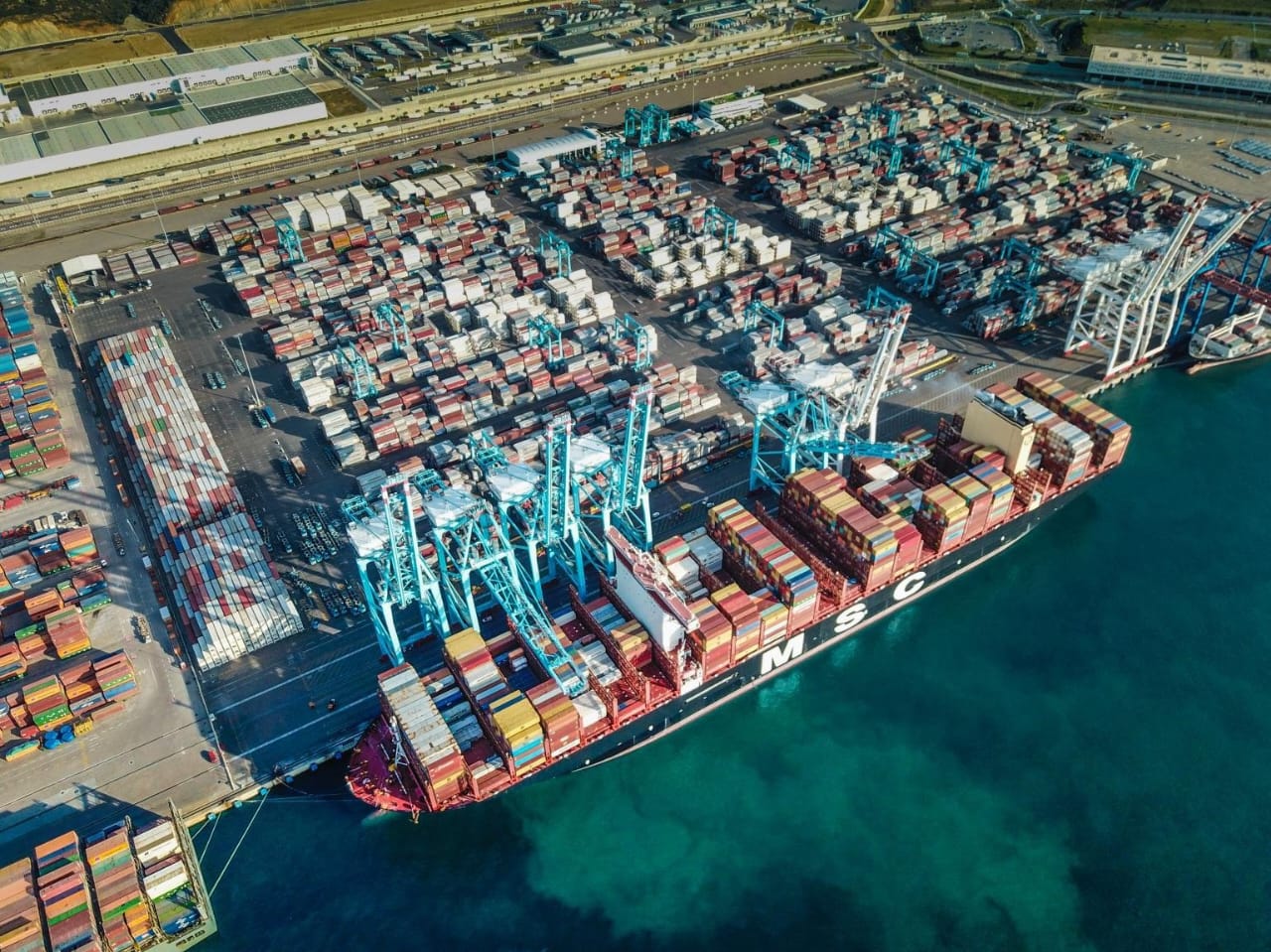
The African Maritime Council’s recent observation is blunt and timely: artificial intelligence is already reshaping vessel navigation, port management, maritime security, and fishing surveillance. For Africa, the real question is not whether AI will arrive, but whether its ports, regulators, and maritime workforce will be ready when it does.
That readiness gap is the continent’s central challenge. While some African ports are advancing digitalisation, significant shortfalls in infrastructure, regulation, technical skills, and cybersecurity persist. The industry will still need people. The difference is that those people must be equipped to work alongside intelligent systems rather than compete against them—or be left behind by them.
The Stakes Are Higher Than Efficiency
Africa’s ports handle the overwhelming majority of the continent’s external trade. Congestion, long vessel waiting times, unpredictable cargo dwell, revenue leakage, and weak intermodal links already impose high costs on shippers and consumers. AI offers practical tools to attack these problems: predictive vessel arrival forecasting, optimised berth allocation, truck appointment systems coordinated with yard capacity, predictive maintenance of equipment, AI-assisted cargo scanning, and real-time anomaly detection for security and illegal fishing.
Examples exist. The Kenya Revenue Authority has begun deploying AI-enabled scanners at Mombasa to speed inspection and flag irregularities. South African and Moroccan ports have experimented with predictive maintenance, logistics optimisation, and more advanced intelligence platforms. Tanger Med has invested in sovereign AI systems for operational decision-making. Nigeria continues rolling out elements of its National Single Window and Port Community System. These are proof points, not yet the norm.
Digital maturity across African ports remains uneven. Assessments put the average score well below global leaders, with a wide spread between progressive facilities and those still heavily dependent on paper processes and fragmented agency systems. The International Maritime Organization’s Maritime Single Window mandate has forced progress, yet many countries remain in early stages of compliance.
Infrastructure and Skills Are the Binding Constraints
Reliable power, broadband connectivity, data centres, and interoperable systems are foundational. Without them, AI applications remain experimental or confined to isolated pilots. Many ports still struggle with ageing infrastructure, poor integration between sea, road, rail, and inland waterways, and data silos created by multiple agencies using incompatible platforms.
The human capital gap is equally serious. Seafarers, terminal operators, customs officers, and regulators need new competencies in data interpretation, system oversight, cybersecurity hygiene, and human-AI collaboration. Traditional training pipelines have not kept pace. Continuous professional development focused on smart ports, connected vessels, green shipping technologies, and digital risk management is no longer optional. Without it, technology investments underperform and workforce anxiety rises.
Cybersecurity Cannot Be an Afterthought
As ports connect more systems—terminal operating software, single windows, truck appointment platforms, vessel traffic services, and external partners—the attack surface expands. Recent warnings from Nigerian Ports Authority leadership and the Port Management Association of West and Central Africa underscore the point: AI can make a port smarter, but cybersecurity determines whether it can function at all during an attack. Incidents elsewhere have already demonstrated that port cyber disruptions are trade disruptions with immediate economic consequences.
African ports should treat cybersecurity as core maritime security. This includes shared threat intelligence, common data standards, regular exercises, and design principles that avoid single points of failure. A single window that becomes a single point of failure is a strategic liability.
External Influence and Sovereign Capacity
Chinese firms already operate, finance, or hold stakes in a substantial share of African ports and are increasingly supplying software, automation, and AI tools. This brings capital and capability, but it also raises questions of long-term technological dependence, data governance, and strategic autonomy. African decision-makers must weigh speed of modernisation against the ability to maintain control over critical systems and data. Sovereign or multi-vendor approaches, open standards where feasible, and local capacity to audit and maintain systems deserve deliberate attention.
What Preparation Looks Like in Practice
Preparation is not a vague aspiration. It requires concrete, sequenced action:
· Prioritise foundational digital infrastructure and full Maritime Single Window and Port Community System implementation so that higher-order AI tools have clean, timely data to work with.
· Launch targeted AI pilots with clear performance baselines—vessel turnaround, truck turnaround, equipment availability, revenue leakage reduction—and accountable teams.
· Overhaul maritime education and continuous training to include AI literacy, cybersecurity, data analytics, and human oversight of automated systems.
· Build regional mechanisms for cyber threat sharing and common technical standards under existing port associations.
· Treat data governance and algorithmic accountability as policy priorities, not technical afterthoughts.
· Measure success by outcomes that matter to users and national economies: lower costs, faster movement of goods, higher reliability, and improved revenue integrity—not by the volume of technology purchased.
The African Continental Free Trade Area amplifies both the opportunity and the risk. More efficient ports can turn continental trade ambitions into reality. Inefficient or insecure ones will continue to act as bottlenecks that raise the cost of doing business and erode competitiveness.
The Choice Is Still Open
AI will not wait for African institutions to catch up. Global shipping lines, logistics platforms, and competing ports are already deploying these tools. The continent can treat the shift as another external force that widens existing gaps, or it can treat it as a strategic window to leapfrog legacy constraints.
The African Maritime Council is right: Africa needs to start preparing now. That preparation must centre people as much as technology, resilience as much as efficiency, and African agency as much as imported capability. The ports, regulators, and professionals who move first will shape the terms of the continent’s participation in the next era of maritime trade. Those who delay will find the terms set for them.