


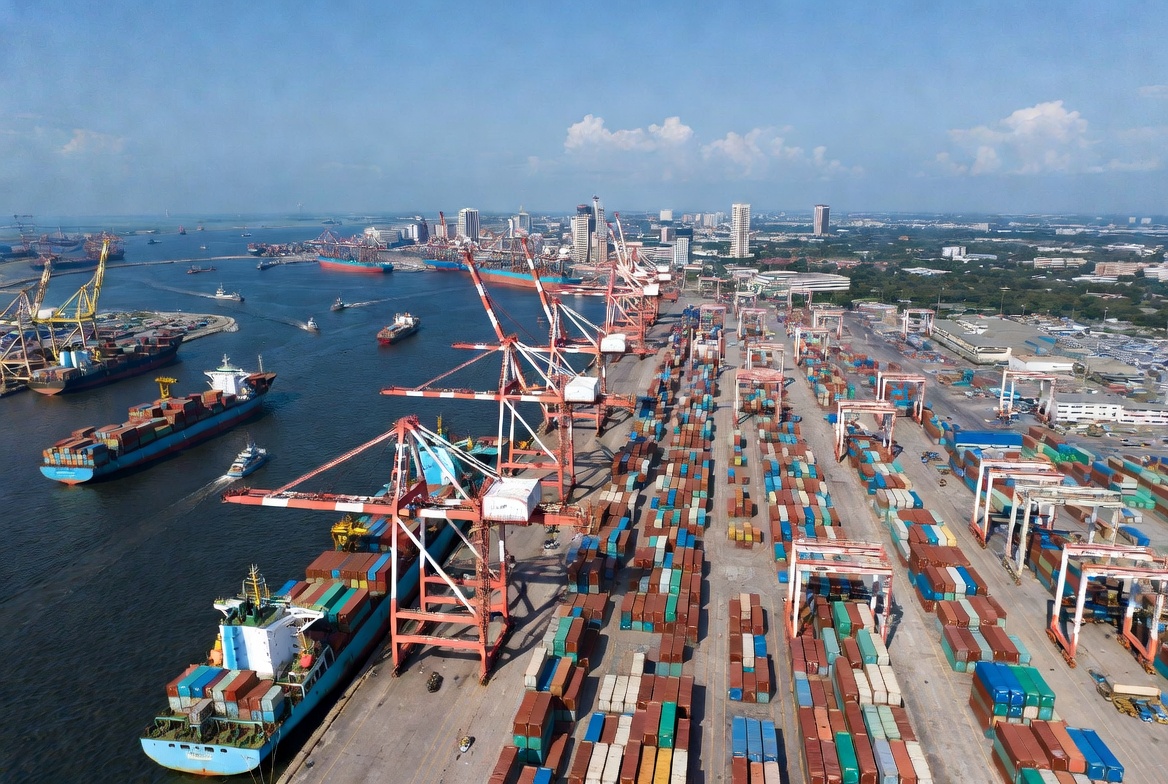
For nearly two decades, more than 300 containers of critical power transmission equipment—high-capacity transformers, cables, and switchgear—sat abandoned at Nigerian ports. Only recently, following a presidential directive, have authorities begun releasing the first 98 containers. The rest remain. This is not a minor logistical hiccup; it is a stark illustration of how bureaucratic inertia, weak coordination, and chronic neglect can transform vital public investment into rusting liabilities while the nation grapples with unreliable electricity.
The equipment was procured for flagship government projects, including the National Integrated Power Project (NIPP), Transmission Company of Nigeria (TCN) initiatives, and the Presidential Power Initiative. Much of it was sourced from specialized manufacturers in China and Germany, as Nigeria lacks the domestic capacity to produce high-capacity transformers at the required scale and quality. These consignments were meant to expand the transmission network, relieve overloaded substations, and improve the evacuation of power from generation plants to homes and businesses. Instead, they became long-term residents of Apapa, Tin Can Island, and other terminals.
The causes are depressingly familiar. Unpaid or disputed port charges and demurrage piled up. Customs clearance processes remained incomplete. Coordination between the Ministry of Power, the Nigerian Ports Authority (NPA), the Nigeria Customs Service (NCS), and project implementers broke down across successive administrations, and contractors and agencies effectively walked away. Over time, some cargo was classified as “overtime” and risked being auctioned at steep discounts. The result: valuable public assets sat idle while the national grid continued to underperform relative to its available generation capacity.
This is not an isolated episode. Nigeria’s ports have long functioned, in practice, as expensive storage yards for abandoned or delayed cargo. The economic costs are layered. There is the direct waste of capital already spent (and often borrowed). There are the accumulating charges that further inflate the eventual cost of recovery. There is the profound opportunity cost: stalled transmission projects that leave substations under strain and constrain the system’s ability to deliver power even when generation is available. And there is the broader signal sent to investors and development partners about the reliability of Nigeria’s logistics and project-delivery environment.
The recent intervention is welcome. President Bola Tinubu directed the clearance after the issue was raised by Power Minister Joseph Tegbe at the Federal Executive Council. Customs Comptroller-General Adewale Adeniyi has flagged off the release of the first batch—initially 44 containers from ENL Terminal, with others following from additional terminals—alongside waivers on accumulated charges. Technical teams will now inspect the equipment to determine what remains serviceable after years in storage, what can be refurbished, and what must be written off. Some items have already been earmarked for projects in Kaduna, Ajaokuta, Lokoja, and Enugu. Earlier recovery efforts by the Niger Delta Power Holding Company had already retrieved other abandoned consignments and associated generation assets.
Yet this episode should not be celebrated as a one-off success. It exposes deeper structural problems. Critical national infrastructure imports should not require presidential intervention years after arrival simply to exit the ports. Clearance processes for government and donor-funded project cargo need dedicated fast-track protocols, proper documentation at the point of import, and clear accountability for the agencies responsible for paying charges and following through. Inter-agency netting arrangements for government-to-government liabilities should be routine, not exceptional. Furthermore, project monitoring systems must track not only contracts and disbursements but also the physical arrival and deployment of equipment.
There is also a crucial governance dimension. Equipment left to deteriorate for nearly two decades represents a catastrophic failure of oversight across multiple administrations. The fact that some consignments date back 14 to 20 years means the problem spanned different political eras. Accountability cannot stop at the recovery of the containers; it must examine how such prolonged abandonment was possible and what institutional safeguards will prevent its recurrence. The Customs Service’s reported characterization of defaulting contractors as “economic saboteurs” points in a useful direction, but sustained enforcement and transparency will matter more than rhetoric.
Nigeria’s power sector challenges are multifaceted—generation shortfalls, gas supply constraints, distribution inefficiencies, and tariff and subsidy issues. Transmission bottlenecks are a critical link in that chain. Leaving transformers and related gear stranded at the ports while substations operate under pressure is an avoidable form of self-sabotage. Ports exist to facilitate trade and the movement of goods into the productive economy, not to serve as long-term warehouses for public assets.
The release of these containers is a necessary corrective step. The larger task is to ensure that the next generation of critical equipment moves from ship to site on a timeline measured in weeks and months, not decades. Until the underlying processes of clearance, coordination, and accountability are fixed, Nigeria will continue to pay twice for the same infrastructure: once to acquire it, and again in lost output, higher costs, and diminished credibility. Ports should accelerate development, not warehouse its delays.