


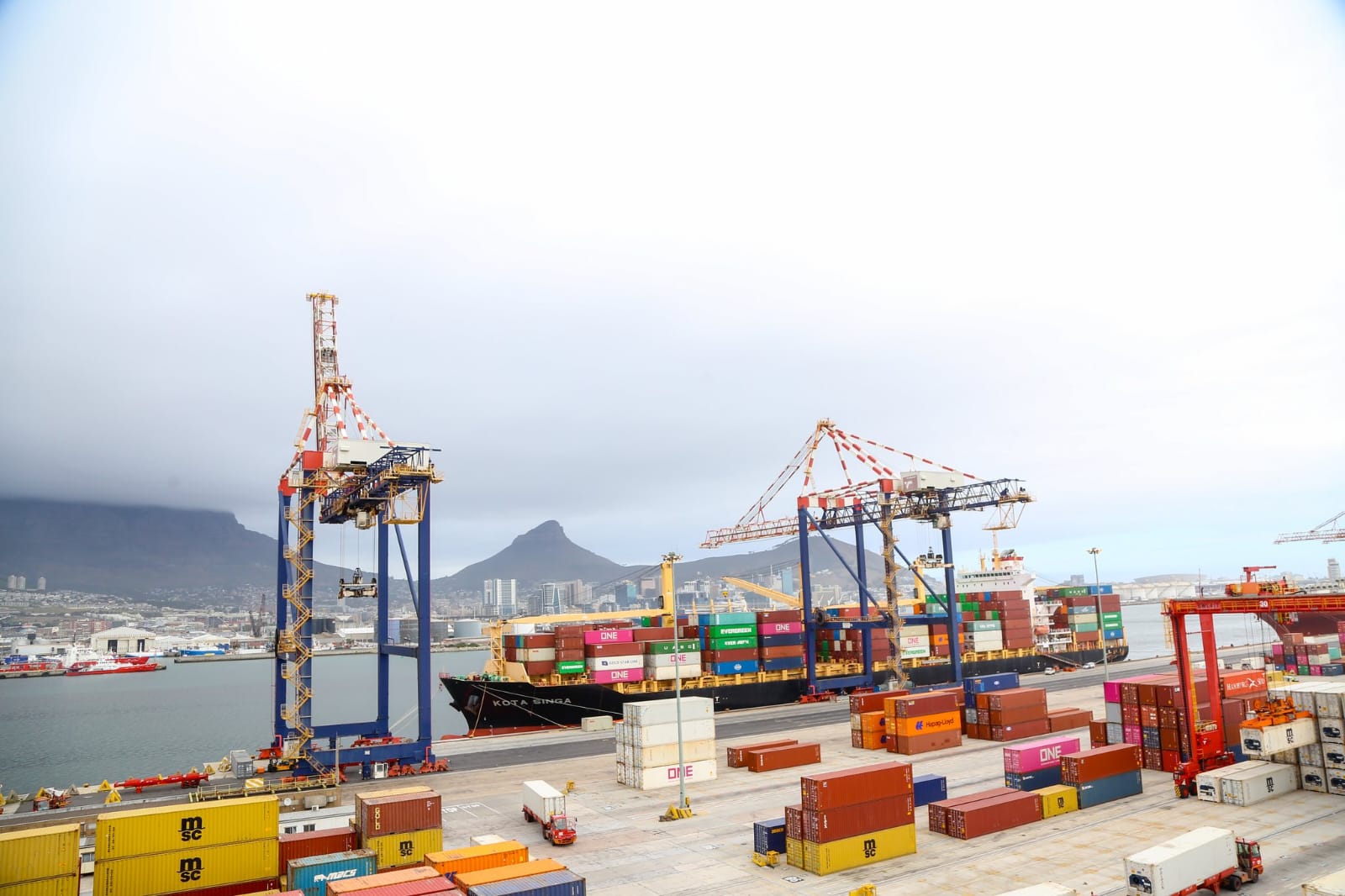
Beira and Durban are not merely congested ports. They are stress tests of Southern Africa’s logistics architecture—and the latest numbers are damning.
Kuehne+Nagel’s operational update for the week of 27 October to 3 November 2026 put Beira’s seven-day average vessel waiting time at roughly 9.71 days—the longest on its African list—while Durban followed at about 7.54 days. On the evening of 3 November, some 40 vessels waited outside Durban, 24 of them container ships. Later snapshots showed roughly 17 container vessels and nearly 85,000 TEU of capacity still offshore, with average anchorage waits holding above seven days and some individual ships, such as the APL Charleston, lingering for two weeks.
These are not abstract statistics. They translate directly into delayed factories, spoiled citrus, higher demurrage charges, exhausted free-time allowances and eroded competitiveness across the Southern African Development Community (SADC).
The anatomy of the bottlenecks
Durban’s crisis has deeper roots than seasonal peaks. The mid-August 2026 switch at Durban Gateway Terminal (Pier 2, operated in partnership between Transnet and ICTSI) to the Navis N4 terminal operating system triggered a sharp drop in throughput—around 30 percent in the initial weeks. Equipment failures (notably long-term crane breakdowns at Pier 1), elevated yard utilisation, vessel bunching, long import dwell times and persistent landside road congestion compounded the problem. Peak-season imports and the year-end surge linked to Black Friday and Christmas have kept pressure high. Industry assessments indicate the backlog continues to add roughly 15–20 days to affected supply chains. Meaningful recovery is not expected before late Q1 2027, even with new equipment due in December.
Beira’s challenges are different in character but equally punishing. Terminal recovery remains incomplete. Intermittent wind and rain continue to disrupt operations. The port serves as a critical gateway for Zimbabwe, Malawi, Zambia and parts of Mozambique’s hinterland. Fertilizer seasons, vessel bunching, yard limits and slower cargo handling routinely produce multi-week waits. Landside constraints—customs, borders and the N6 corridor—further amplify delays once cargo finally clears the quay.
Luanda’s shorter vessel wait (around 2.75 days in the same window) is instructive: the real constraint there is inland, not at the berth. The same pattern holds across much of the region. Ports do not operate in isolation. When rail underperforms, trucks clog the gates. When borders and customs are slow, yards fill. When free-time windows expire while cargo sits offshore or in stacks, demurrage and detention charges cascade onto importers and exporters who have little control over the pace of clearance.
Why this matters beyond the quay
Durban handles a disproportionate share of South Africa’s container volumes—often cited as near half or more of national throughput. Disruptions there ripple through manufacturing (components for automotive and other plants), retail and agricultural exports. Citrus exporters have already faced quality losses and considered diversion via Maputo. Manufacturers have resorted to expensive air freight to keep lines running. Independent transporters report longer truck turnarounds, booking delays and additional congestion charges. The economic cost is measured not only in direct logistics fees but in lost production, higher inventory holdings, missed sales windows and reduced reliability for just-in-time supply chains.
For landlocked SADC states, Beira and Durban are primary arteries. Delays raise the landed cost of imports (machinery, consumer goods, fuel, fertilizer) and erode the competitiveness of exports (minerals, tobacco, agricultural products). Corridor inefficiencies already inflate transport costs; multi-week vessel waits turn manageable friction into structural disadvantage. Regional trade ambitions—removing agricultural barriers, deepening integration—remain rhetorical if physical and procedural bottlenecks at the main gateways persist.
Practical responses for operators
Shippers and logistics providers cannot wait for systemic fixes. Immediate discipline is required:
· Build multi-day buffers into delivery promises for both Beira and Durban. Treat published ETAs as optimistic starting points, not commitments.
· Confirm free-time, demurrage and detention terms with carriers early, and track actual discharge dates rather than vessel arrival. Some lines have already extended free time modestly; negotiate further where possible.
· Book truck collections against confirmed discharge and availability, not against projected berthing. Landside capacity is itself constrained.
· Diversify where feasible: evaluate Cape Town, Coega/Ngqura, Port Elizabeth or Maputo for suitable cargo, accepting the inland haul costs as insurance against Durban volatility.
· For time-sensitive or high-value cargo, consider splitting shipments or earlier sailings. Monitor weekly operational updates from forwarders and carriers closely.
These are defensive measures. They do not solve the underlying problems.
The longer view: investment, coordination and accountability
South Africa’s port challenges are not new. Decades of under-investment, shifting modal balances (road over rail), larger vessels, rising import volumes and constrained landside space have created structural pressure. The private-sector partnership at Durban Gateway Terminal was meant to inject capital and expertise; the timing and execution of the system migration have instead prolonged the backlog. Clearer accountability between Transnet and its private partner, transparent recovery timelines and accelerated equipment deployment are essential.
Beira requires continued terminal investment, weather resilience measures and parallel improvements on the road and border corridors that feed it. Regional initiatives—data-driven observatories tracking delays, coordinated border management and genuine open-access rail reforms—matter more than isolated port upgrades. Throughput gains at secondary South African ports and modest rail recovery on certain corridors are positive but insufficient while the primary gateway remains congested.
Peak season and the approach of Christmas and Lunar New Year will test the system further. If recovery drifts into 2027 without decisive progress, the cost will be measured in higher consumer prices, slower industrial recovery and diminished SADC trade potential. Ports are not peripheral infrastructure; they are the physical expression of a region’s ability to compete.
Right now, Beira and Durban are sending a clear signal: the region is still too slow. Operators must plan accordingly. Policymakers and terminal operators must treat the current congestion as the urgent operational and strategic problem it is.