


Learning from the World’s Largest Inland Port
Nanjing Port is no ordinary partner. As the world’s largest inland port, it handled approximately 289 million tonnes of cargo and 3.71 million TEUs in 2024 along the Yangtze River. Its expertise in multipurpose cargo handling systems and smart port technologies is precisely what Mombasa needs as it grapples with growing volumes—45.45 million tonnes in 2025, representing a 10% increase from the previous year. Nanjing’s experience in digital transformation, automation, and equipment manufacturing offers a tangible blueprint for KPA’s ambitious smart port agenda.
Critics may question why Kenya is turning to China for port expertise when other partners are available. The answer lies in Nanjing’s proven track record. This is not about geopolitical alignment; it is about operational excellence. The Port of Mombasa serves as the critical artery for landlocked nations including Uganda, Rwanda, South Sudan, and the Democratic Republic of Congo. Any delay or inefficiency ripples across the entire region. If Nanjing’s technology can help reduce cargo dwell time and streamline clearance, Kenya would be remiss not to pursue that knowledge.
Digital Transformation Is Non-Negotiable
KPA’s ongoing replacement of its legacy SAP ERP system with IFS Cloud is a foundational move toward a truly digital port. This next-generation platform promises integrated billing, real-time reporting, and data-driven decision-making—capabilities that have long been missing in Mombasa’s operations. But technology alone is insufficient. The real value lies in how these tools are deployed. Discussions with Nanjing on smart gate systems, cargo visibility, paperless processes, and data analytics suggest that KPA is thinking holistically. The goal is not merely to digitize existing workflows but to reimagine them entirely.
This is where the Nanjing partnership becomes strategic. China has invested heavily in port automation and digital ecosystems. From the Kipevu Oil Terminal to the construction of Berth 19B by China Communications Construction Company, Chinese firms have already demonstrated their capacity to deliver critical port infrastructure. The knowledge exchange now being negotiated could accelerate Mombasa’s transition from a traditional gateway to a smart, efficient, and resilient trade hub.
A Regional Imperative
The stakes could not be higher. Mombasa is not just Kenya’s port; it is East Africa’s window to the world. With cargo volumes rising and competition from regional ports intensifying, the Authority cannot afford complacency. The digital reforms already launched—including joint measures with the Kenya Revenue Authority to decongest the port and cut cargo delays—are steps in the right direction. But they must be sustained and deepened if they are to yield lasting impact.
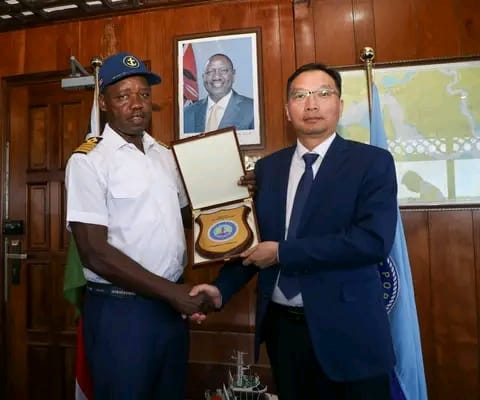
The Nanjing delegation’s tour of key infrastructure projects and briefings by senior KPA officials on operational performance and investment opportunities suggest a genuine commitment to collaboration. This is not a photo opportunity; it is a working relationship with measurable outcomes that can reshape the region’s maritime landscape.
The Path Forward
KPA must now translate these talks into concrete action. Pilot projects, staff exchanges, and technology transfers should follow swiftly. The Authority must also communicate progress transparently to stakeholders—shippers, logistics providers, and regional governments—to build confidence in the modernization agenda and ensure broad-based buy-in.
Ultimately, the Port of Mombasa’s transformation is not optional. It is a strategic necessity for Kenya’s economic growth and for the prosperity of the entire East African region. The partnership with Nanjing Port offers a powerful catalyst. Capt. Ruto and his team deserve credit for pursuing it with vision and determination. Now comes the harder part: delivering results that match the ambition.
The writer is a maritime analyst based in Mombasa.