


There is a quiet, persistent paradox at the heart of modern port development. Walk through the bustling terminals of any major Caribbean hub—from Kingston to Port of Spain, or the newly expanded channels of Paramaribo—and you will see billions of dollars in concrete, steel, and high-tech gantry cranes. These are the monuments to trade, the visible symbols of economic ambition.
Yet, as the recent 29th Annual General Meeting of the Port Management Association of the Caribbean (PMAC) in Suriname highlighted, there is a looming question that threatens to undermine these investments: What is the value of a new berth if ships cannot reach it safely?
This question, posed by Industry Insight, cuts to the core of a critical oversight in maritime strategic planning. While ports rush to deepen channels and extend quays to accommodate the next generation of mega-ships, the human element that ensures these vessels actually dock—Marine Pilotage—remains the sector’s most undervalued asset.
The “Invisible Infrastructure”
John-Paul Pantin AFNI, Pilot Master of the Trinidad and Tobago Pilots’ Association, succinctly described pilotage as “an invisible infrastructure.” It is a profound description of a service that is only noticed when it fails.
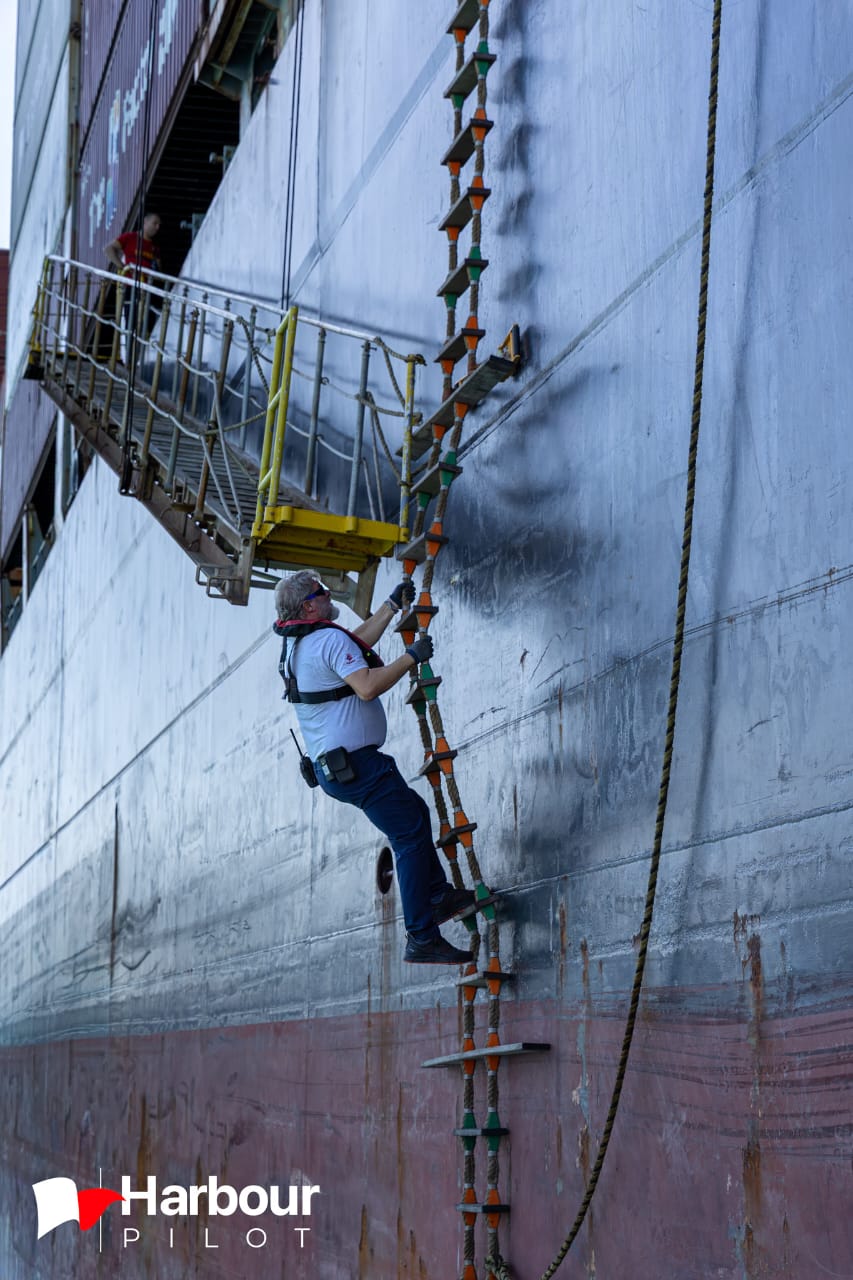
When a pilot boards a vessel, they are not merely steering a ship; they are acting as the bridge between global trade and local reality. They carry the burden of local knowledge: the shifting sandbanks, the unpredictable currents, the specific quirks of a port’s infrastructure. As the article notes, the value of pilotage often lies in what does not happen—the avoided collision, the unblocked channel, the protected crane.
However, the maritime industry is changing faster than the infrastructure supporting it. Vessels are larger, drafts are deeper, and navigation technologies are becoming increasingly complex. In this high-stakes environment, the “invisible” nature of pilotage is no longer just a lack of visibility; it is a strategic vulnerability.
Three Pillars for Survival
For Caribbean port leaders, the PMAC meeting served as a wake-up call. To secure the return on investment (ROI) of their physical infrastructure, port authorities must pivot to focus on human infrastructure. The insight presents three non-negotiable priorities:
1. Planning: The Seat at the Table
Too often, pilots are brought in at the end of a port expansion project—asked to navigate a new channel only after the dredgers have left. This is a recipe for disaster. Pilots must be involved in the early planning stages of port development. Their empirical knowledge of local waters is a design tool, not just an operational requirement. If a channel is designed without pilot input, it may be technically deep enough but practically unnavigable.
2. Knowledge Transfer: The Looming Brain Drain
The maritime industry is facing a global demographic cliff. Experienced pilots—those with decades of “tacit knowledge” that cannot be taught in a classroom—are retiring. The Caribbean risks losing this intellectual property. A structured mentorship program is not just an HR exercise; it is a risk management strategy. Without a deliberate transfer of knowledge to the next generation, ports lose their safety net.
3. Training: Adapting to the New Reality
The era of the “Handysize” vessel is fading in favor of larger Neo-Panamax and Ultra-Large Container Ships. These vessels handle differently; they have different blind spots and require different tug configurations. Training simulators and continuing education must evolve to match the scale of the new fleet. A pilot trained on a 5,000 TEU ship cannot simply walk onto a 15,000 TEU vessel without specific, rigorous adaptation.
The Investment Paradox
The closing sentiment of the PMAC insight is perhaps its most important: The question is not only how much ports invest in physical assets, but whether the expertise needed to operate them safely is evolving at the same pace.
Caribbean ports are at a crossroads. They are competing for a larger share of global transshipment traffic. If a port builds a world-class terminal but has a reputation for navigational delays or, worse, accidents, the shipping lines will simply bypass it. Safety and efficiency are the currencies of modern logistics.
Therefore, investing in pilotage is not a cost center; it is a commercial imperative. It is the insurance policy on a billion-dollar asset.
A Call for Regional Collaboration
The success of the PMAC meeting in Paramaribo offers a powerful model for other regions. The Western Indian Ocean region—spanning the coasts of East Africa, the Gulf, and South Asia—faces many of the same challenges: aging pilot fleets, increasing vessel sizes, and the need for stronger regional cooperation. Yet, unlike the Caribbean, it lacks a dedicated platform for port leaders, pilots, and regulators to convene, share knowledge, and align strategies.
The Western Indian Ocean region should organise a meeting like this one. A dedicated forum would allow stakeholders to address the “invisible infrastructure” collectively—harmonising training standards, facilitating knowledge transfer, and ensuring that the region’s pilotage services are prepared for the next generation of global shipping.
As the PMAC meeting in Paramaribo concluded, the region must stop treating pilotage as a background service. It must be recognized as the strategic tip of the spear. The cranes may lift the cargo, but it is the pilot who brings the economy into the harbor. The Western Indian Ocean would do well to learn from the Caribbean’s example—and convene its own meeting before the next mega-ship arrives at its shores.
This analysis is based on the Industry Insight report from the 29th PMAC Annual General Meeting in Suriname, featuring commentary from John-Paul Pantin AFNI, Pilot Master of the Trinidad and Tobago Pilots’ Association.