


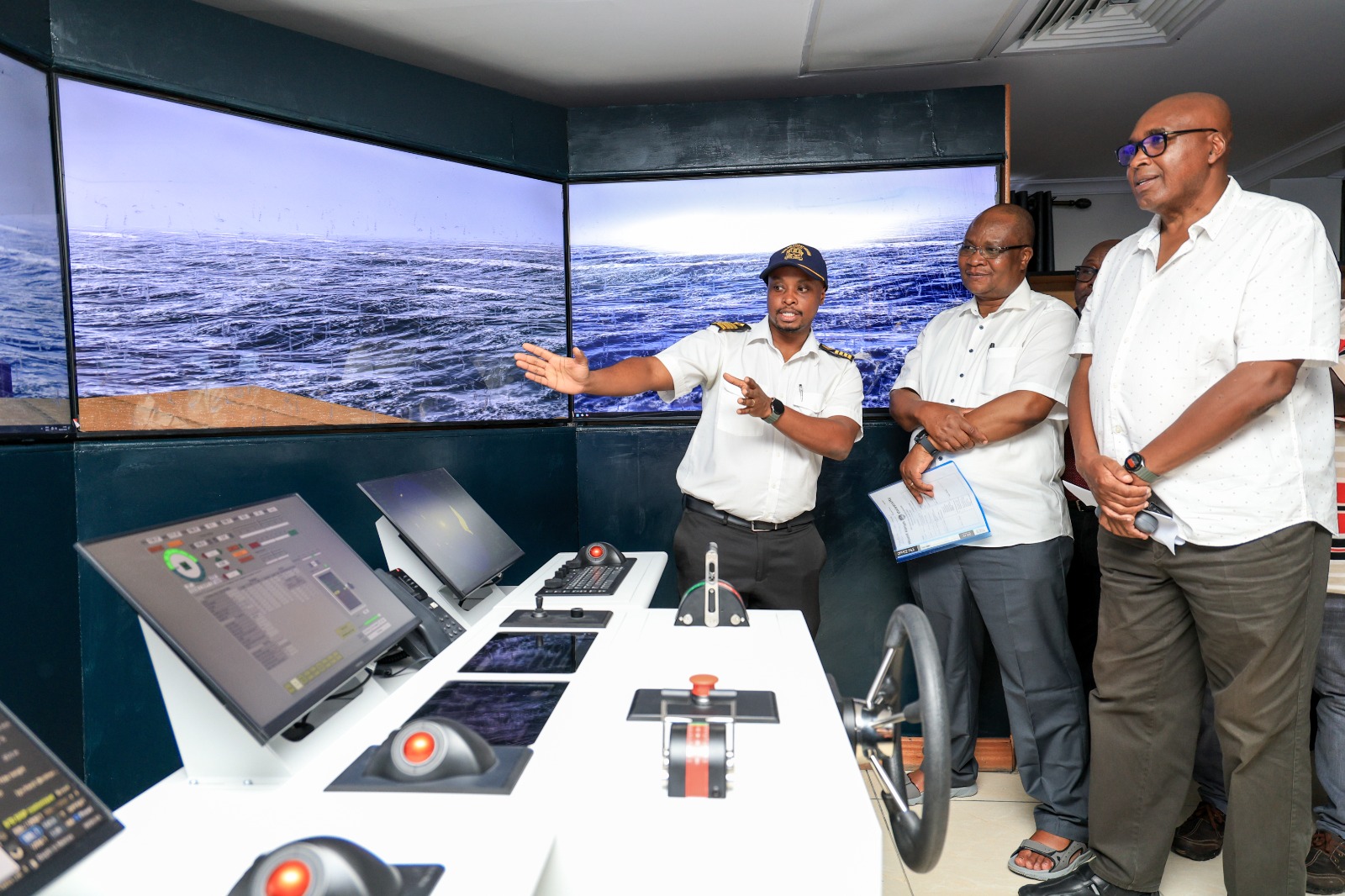
The BIMCO and International Chamber of Shipping Seafarer Workforce Report 2026 paints a stark global picture: an estimated shortfall of 39,100 STCW-certified officers in 2026, with demand projected to require an additional 113,735 officers by 2030. Officer supply has grown roughly 22 percent since 2021, yet demand has risen faster. Cadet ratios have improved, but companies still struggle most to recruit engineering and deck officers. One under-examined driver of this imbalance is the mobility created by training itself—seafarers often leave current positions or cycle through shorter contracts to complete mandatory courses, higher certificates of competency, or specialized qualifications for new fuels and technologies. This rational pursuit of advancement produces operational churn precisely when experienced officers are scarcest.
Nowhere does this paradox bite harder—or offer more strategic opportunity—than in the Western Indian Ocean and the Gulf of Guinea. These two regions sit astride vital energy and trade corridors. The Western Indian Ocean links East African ports to the Arabian Sea, Red Sea approaches, and Indian Ocean lanes. The Gulf of Guinea remains one of the world’s most important oil and gas shipping theatres. Both face elevated security, infrastructure, and human-capital challenges that amplify the global officer shortage while simultaneously positioning them as under-tapped sources of future talent.
Africa as a whole supplies only about 3–4 percent of the global seafarer workforce despite its extensive coastline and youthful demographics. In the Eastern, Southern, and Western African countries examined in recent studies, officers comprise just 28 percent of the seafarer pool against 72 percent ratings—an imbalance that mirrors the global pattern but is more acute. Training institutions exist—roughly 150 maritime education and training centres across the continent—and enrolment has risen over the past decade. Yet conversion from cadet to competent officer, and retention thereafter, remains constrained by limited sea-time berths, uneven international recognition of certificates, documentation delays, and the practical difficulties of operating in high-risk waters.
Western Indian Ocean: Investment Without Absorption
In the Western Indian Ocean—encompassing Kenya, Tanzania, Mozambique, Madagascar, Seychelles, Mauritius, and neighbouring states—the bottleneck is especially clear. Kenya has invested heavily in maritime education and harbours ambitions to place tens of thousands of seafarers into the global market. Partnerships such as the Maersk–Kenya Ports Authority cadet programme provide valuable sea-time, but scale remains limited. Many trained cadets struggle to secure the mandatory months of onboard experience required for full certification. Delays in Seafarer Identity Documents have disrupted placements. Officers who do qualify often leave regional or coastal employment to pursue further training or higher-paying deep-sea contracts, contributing to local turnover. Residual security risks in the wider Western Indian Ocean—linked historically to Somali piracy and more recent Red Sea disruptions—further raise the premium on experienced leadership while making retention harder.
Gulf of Guinea: Legacy Risk and the Retention Drain
The Gulf of Guinea presents a parallel but distinct set of pressures. Nigeria, the region’s maritime heavyweight, has long suffered from under-recognised Certificates of Competency, chronic shortages of training berths, and the legacy of high piracy and armed robbery. Although reported incidents have fallen sharply in recent years thanks to national initiatives such as the Deep Blue Project and regional cooperation under the Yaoundé architecture, the perception of risk and the practical difficulties of crew changes persist. Thousands of Nigerian-trained cadets and certified seafarers remain under-utilised or unable to complete sea-time. When they do secure positions, many leave for further training or better conditions elsewhere, reinforcing a cycle of high turnover among the limited pool of officers available for regional and international fleets operating in the area. Ghana and other coastal states face similar constraints: rising enrolment but insufficient pathways into officer ranks and limited absorption capacity.
The Double Loss
In both regions, the training-driven turnover identified in the global report is compounded by local realities. An officer who steps ashore for a specialised course or higher certificate may find re-entry blocked by documentation lags, lack of available berths, or company reluctance to hire from jurisdictions still building full international trust in their certification systems. The result is a double loss: the individual ship or company loses continuity, and the region loses the very talent it has invested in training. Meanwhile, global demand for officers—particularly those competent in complex engineering and emerging fuels—continues to pull experienced African seafarers toward international fleets, thinning local leadership benches.
A Strategic Vulnerability, Not Just a Manpower Problem
This is not merely a manpower problem; it is a strategic vulnerability. Ships transiting or operating in the Western Indian Ocean and Gulf of Guinea require highly competent officers precisely because of residual security risks, dense traffic, and the sensitivity of energy cargoes. Shortages translate into higher fatigue risk, greater reliance on short-term or less-experienced crew, elevated insurance and security costs, and slower adoption of the very technologies the industry needs for decarbonisation. For coastal states, the failure to convert training investment into retained officer capacity means missed opportunities in the blue economy, reduced influence over crewing standards, and continued dependence on foreign officers for domestic and regional shipping.
What Solutions Require
Solutions must be regional as well as global.
First, maritime administrations in both the Western Indian Ocean and Gulf of Guinea need closer coordination with flag states, shipowners, and international organisations to expand genuine sea-time opportunities and accelerate recognition of certificates.
Second, structured career pathways that treat continuous training as a managed progression—rather than a disruptive exit—can reduce churn. Transparent routes from sea service into shore-based maritime roles, already recommended in the BIMCO/ICS report, would improve the attractiveness of a long-term career.
Third, regional centres of excellence, shared training ships, and joint cadet programmes—building on existing bilateral initiatives—can achieve the scale individual countries struggle to reach alone.
Fourth, security gains in the Gulf of Guinea and improved maritime domain awareness in the Western Indian Ocean must be paired with welfare and retention measures so that the operational environment itself does not drive officers away.
Conclusion
The 2026 report makes clear that recruitment, training, and retention must advance together if the global officer shortfall is to be closed. In the Western Indian Ocean and Gulf of Guinea, the same logic applies with greater urgency and greater potential payoff. These regions cannot afford to train officers only to watch them leave for further qualifications or safer, better-rewarded employment elsewhere. Nor can the global industry afford to overlook two of the world’s most strategically important maritime theatres as sources of the competent officers it desperately needs. Turning the training paradox into a sustainable pipeline requires deliberate investment, regional cooperation, and a recognition that officer development is not a cost to be minimised but a strategic asset to be cultivated.
Andrew Mwangura is a maritime security analyst.