


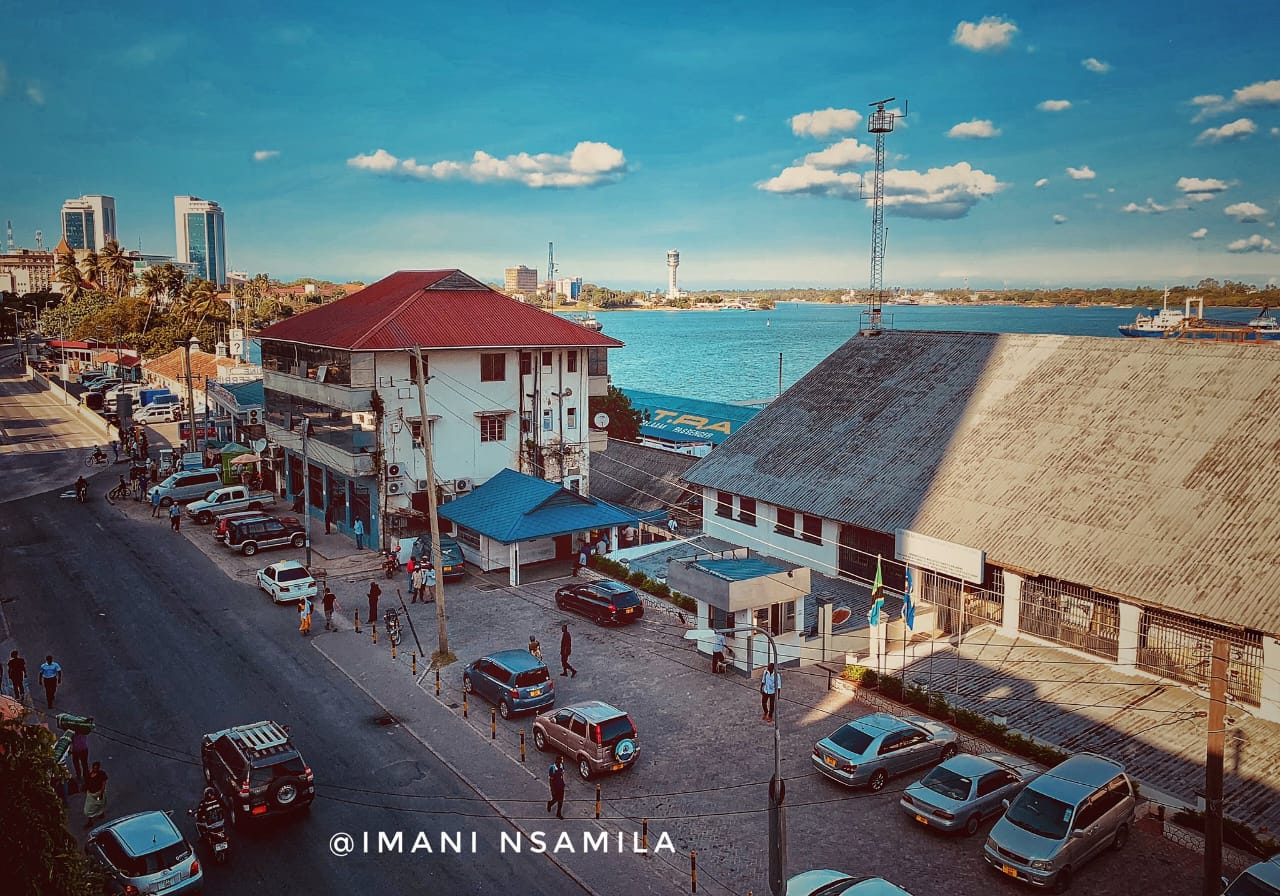
In September 2026, a quiet but consequential announcement emerged from Accra. The Regional Maritime University (RMU), in partnership with the Dar es Salaam Maritime Institute (DMI), the University of Ghana (UG), and Nigeria Maritime University (NMU), secured a research grant from the Lloyd’s Register Foundation for the Repository Centre of Excellence on Shipwrecks and Maritime Disasters (ReCESMaD). The project aims to collect, digitise, harmonise, and make openly accessible records of shipwrecks and maritime disasters across West and East Africa from 1760 to the present, delivering an open-access repository and GIS-enabled platform.
This is more than another academic collaboration. It is a strategic intervention into one of the most under-resourced yet high-stakes domains of African knowledge: the continent’s own maritime past as a living archive for present and future safety.
The Problem of Fragmented Memory
Shipwrecks and maritime disasters have shaped navigation rules, insurance practices, environmental regulation, and coastal livelihoods for centuries. Yet across Africa the documentary record remains scattered—held in national museums, colonial-era archives, regulatory agencies, academic libraries, and private collections. Much of it is undigitised, poorly catalogued, or inaccessible to researchers, policymakers, and communities who need it most.
The Lloyd’s Register Foundation’s own heritage work has long recognised this gap. Its Theme 3 on Safety—Shipwrecks and Maritime Disasters—notes the absence of any comprehensive platform capable of revealing patterns, root causes, and transferable lessons across time and geography. Historical insights are under-utilised; modern safety bodies focus on recent incidents; environmental and archaeological efforts remain siloed.
Africa’s waters hold a particular density of loss—and of lessons. From the Portuguese carracks of the early modern period, through the horrific shipwrecks of the transatlantic and Indian Ocean slave trades, to twentieth-century ferry disasters and contemporary incidents linked to overloading, poor maintenance, and extreme weather, the record is rich—and painful. Without systematic recovery and open access, these lessons stay buried.
What ReCESMaD Proposes
The project’s core ambition is straightforward and powerful: to consolidate fragmented datasets spanning more than 260 years into structured, interoperable, open-access digital platforms, including GIS mapping. The resulting repository is intended to strengthen maritime safety research, support environmental risk awareness—especially around potentially polluting wrecks—preserve heritage, and enable evidence-based policymaking.
Leadership reflects genuine regional ownership. Principal Investigator Dr Amy Pascalia Abra Asimah and Co-Principal Investigator Dr Isaac Owusu-Nyarko of RMU work with partners from Tanzania, Ghana, and Nigeria, including NMU’s University Librarian Dr Fatimah J. Abduldayan. Supporting stakeholders include Ocean Centres Ghana, naval and hydrographic authorities, museums, and conservation groups. This is not an extractive Northern-led project; it is African institutions claiming and organising their own archival inheritance with external catalytic funding.
Why This Matters Now
Three interlocking reasons make ReCESMaD timely.
First, safety learning. Modern maritime safety regimes—SOLAS and subsequent conventions—grew from disaster analysis. Africa’s blue economy ambitions, expanding port traffic, growing domestic shipping, and climate-driven increases in extreme weather all demand better local evidence. A regional repository that links historical patterns to contemporary risk can inform training, regulation, and infrastructure decisions far more effectively than imported case studies alone.
Second, environmental and heritage stewardship. Thousands of historic wrecks pose ongoing pollution risks as they decay. At the same time, underwater cultural heritage—especially sites linked to the slave trade—carries profound historical and moral weight. Open data and GIS platforms can help prioritise monitoring, protection, and public engagement while avoiding the “treasure hunting” dynamics that have plagued other regions.
Third, knowledge sovereignty. For too long, African maritime history has been researched and published primarily from European and North American centres. An African-led, open-access repository reverses that flow. It creates a public good that local universities, regulators, journalists, coastal communities, and students can use without paywalls or gatekeepers. In an era of digital colonialism debates, this is practical decolonisation of the archive.
Risks and Conditions for Success
Ambition alone will not suffice. Success depends on several non-negotiable conditions.
Data quality and standards must be rigorous. Harmonising records from disparate sources across multiple jurisdictions requires shared metadata protocols, careful handling of sensitive or contested histories—especially slave-trade wrecks—and transparent provenance. GIS layers must be accurate enough to support both research and operational risk assessment.
Sustainability beyond the grant period is essential. Open-access platforms often wither once project funding ends. The consortium will need a realistic governance and funding model—perhaps involving national maritime authorities, regional bodies such as the Abuja MoU on Port State Control, and continued philanthropic or multilateral support—to keep the repository alive and updated.
Equity of access and contribution must be real. West and East Africa are the stated geographic focus; North and Southern Africa’s rich wreck records should eventually be brought into dialogue. Language diversity—English, French, Portuguese, Arabic, and local languages—and community-level engagement, particularly with fishers and coastal populations who hold oral knowledge, will determine whether the repository is used or merely admired.
Finally, the project must actively bridge history and practice. Academic excellence is necessary but insufficient. Regular synthesis reports, training modules for maritime academies, briefings for regulators, and public-facing storytelling will determine whether ReCESMaD merely digitises the past or actively informs safer futures.
A Larger Signal
ReCESMaD sits within a broader pattern of Lloyd’s Register Foundation investment in African maritime capacity—from safety evidence work to skills programmes and heritage initiatives. It also aligns with continental blue-economy strategies that increasingly recognise knowledge infrastructure as critical soft power.
Africa’s coasts and seas have always been crossroads of trade, conflict, forced migration, and innovation. The records of their disasters are not merely tragic footnotes; they are data. When those data remain fragmented and inaccessible, the continent remains dependent on external narratives of risk and resilience. When they are consolidated, opened, and analysed by African institutions, they become tools of agency.
The grant is a beginning, not an endpoint. If the partners deliver a genuinely open, well-governed, and actively used repository, ReCESMaD will do more than preserve shipwreck records. It will help ensure that the next generation of African maritime professionals, policymakers, and coastal communities can learn from the past on their own terms—and sail safer because of it.
That is the real measure of success.