


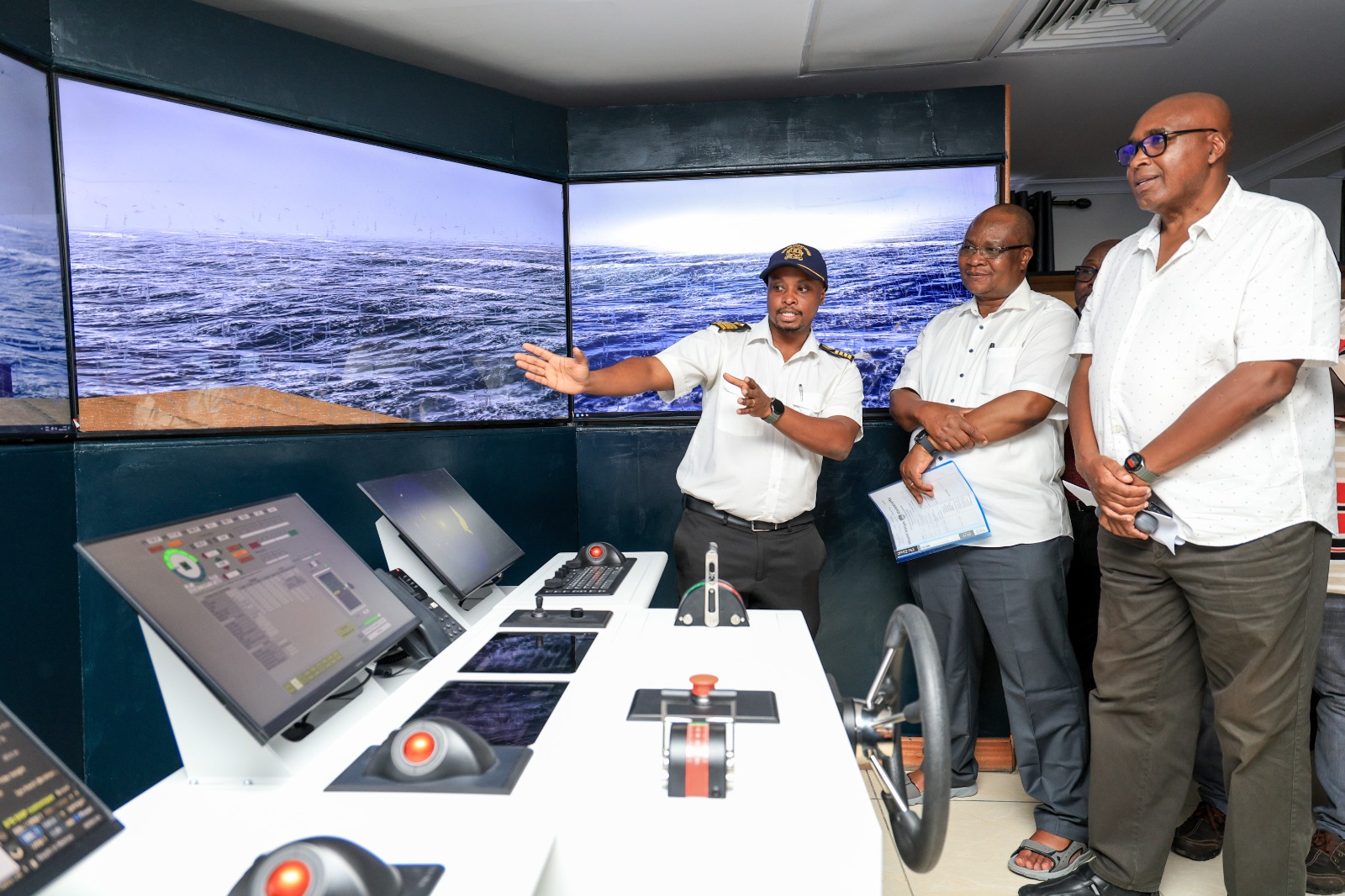
The reappointment of Prof. Simon Gicharu as non-executive chairperson of the Kenya Institute of Curriculum Development (KICD) for a second three-year term is a measured decision that signals continuity at a pivotal moment in the country’s education reforms. President William Ruto’s endorsement comes as Kenya moves deeper into the Competency-Based Education (CBE) transition, and it has been welcomed by the institute’s leadership as both an affirmation of progress made and a recognition of the work still ahead.
Prof. Gicharu, who is also the founder and owner of Mount Kenya University—an institution with a growing national and regional footprint that includes the Mount Kenya University Maritime Academy in Malindi and a campus in Kigali, Rwanda—first assumed the KICD chairmanship in October 2023. His reappointment therefore arrives as the first cohort under the new framework prepares to enter Grade 10 in January 2026, marking the formal start of Senior School under CBE. Learners are expected to progress to Grade 11 in 2027 and Grade 12 in 2028. This is a period that calls for experienced stewardship capable of consolidating gains while addressing emerging challenges.
KICD Chief Executive Officer Prof. Charles Ong’ondo has described the reappointment as “a double blessing,” noting the institute’s achievements while underscoring the need to sustain curriculum reforms, strengthen quality and relevance, and expand access to learning resources across education levels. Under Prof. Gicharu’s first term, the institute has continued to refine curriculum designs, support the shift from the 8-4-4 system, and earn recognition for its work in curriculum development, digital learning, inclusive education and public service delivery. Notably, KICD was recognised as Africa’s Best Public Institution of the Year at the 2026 Africa Public Sector Conference and Awards held in Accra, Ghana.
These acknowledgements reflect tangible progress. At the same time, the scale of the remaining task is considerable. Ensuring that schools—particularly those in underserved areas—have appropriate textbooks, digital tools and other learning materials remains essential if the promise of CBE is to be realised equitably. The national examination and assessment cycle currently under way, involving more than 3.6 million candidates, further highlights the importance of coherent frameworks that support both competency assessment and credible progression pathways.
Prof. Gicharu’s dual experience as a university founder and curriculum oversight leader positions him to contribute constructively to this phase. Mount Kenya University’s expansion, including its specialised Maritime Academy in Malindi and its campus in Kigali, demonstrates a practical understanding of educational delivery across diverse contexts—from technical and maritime skills training to regional higher education. That perspective should prove valuable as KICD works to ensure curriculum designs remain relevant, resources reach learners, and the reforms continue to emphasise competencies, practical skills, values and individual learner abilities.
The coming three years will be decisive. Continuity of leadership offers the advantage of institutional memory and steady direction at a time when the first Senior School cohort is moving through the system. But continuity is necessary, not sufficient. The expectation, shared by educators, parents and policymakers alike, is that this continuity will be matched by sustained focus on quality, accessibility and measurable improvement in learning outcomes. In reappointing Prof. Gicharu, the government has chosen experienced hands to guide that next chapter. The test of success will lie in the steady, practical progress that follows.