


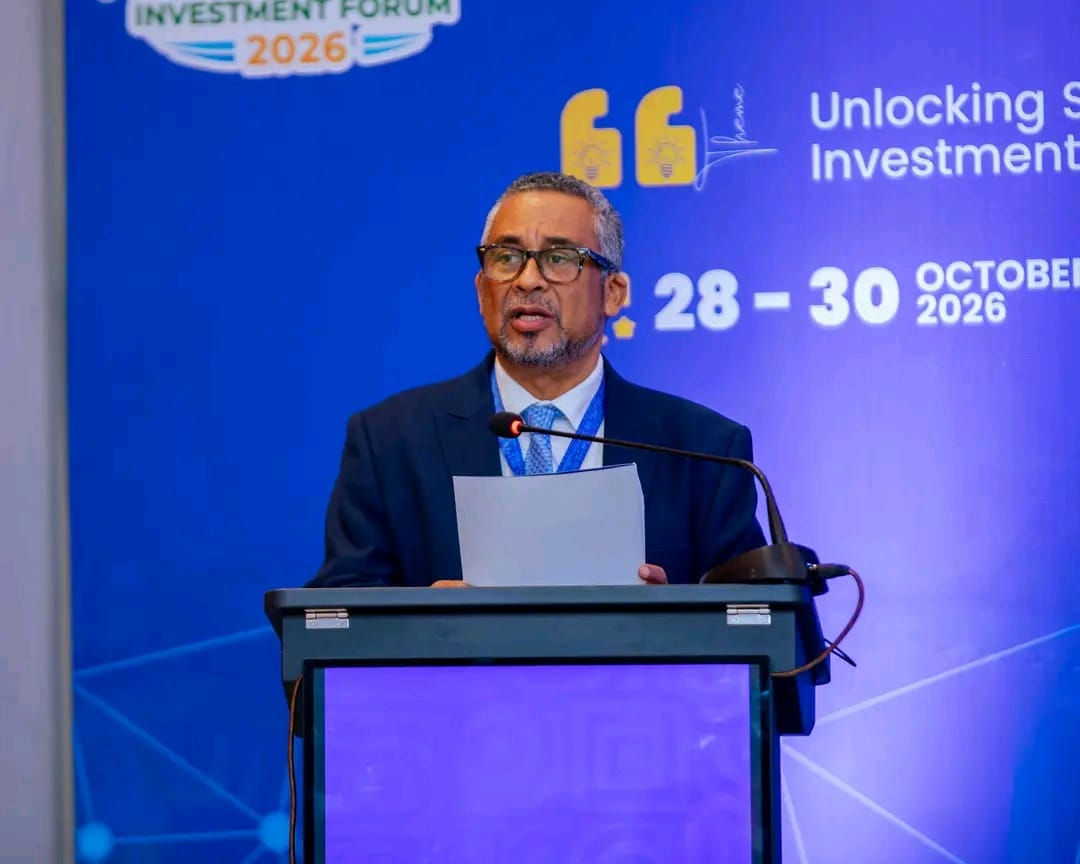
The Port Management Association of Eastern and Southern Africa (PMAESA) Ports & Maritime Investment Forum 2026 closed in Dar es Salaam on 30 October 2026 after two intensive days of high-level exchange. Hosted with the Tanzania Ports Authority under the theme “Unlocking Sustainable Port and Maritime Investment for Regional Integration,” the gathering brought together port authorities, investors, development finance institutions, private operators, and policymakers. It correctly identified the central challenges facing the region’s maritime sector. The real test, however, begins now: converting that consensus into financed, de-risked, and operational projects that move cargo faster, greener, and more reliably.
Africa’s ports are not merely commercial facilities; they are the physical arteries of continental integration under the African Continental Free Trade Area (AfCFTA) and the engines of the Blue Economy. Eastern and Southern African gateways serve vast hinterlands that include landlocked economies dependent on efficient corridors. Cargo volumes are rising. Kenya Ports Authority projections, for example, foresee growth from roughly 45 million metric tonnes today toward 168 million by 2045 across Mombasa and Lamu. Similar pressures confront Dar es Salaam, Durban, Maputo, Walvis Bay, and others. Without matching investment in capacity, digital systems, green infrastructure, and inland connectivity, congestion will worsen, costs will rise, and the promise of regional trade will remain only partially fulfilled.
The forum’s priorities were well chosen. Strengthening the pipeline of commercially viable projects ranked first. Too many African port and corridor schemes still arrive at the investor table under-prepared: incomplete feasibility work, unclear offtake or revenue models, poorly allocated risks, and weak operating arrangements. A “bankable” project is not simply one that identifies a capacity shortfall. It must show who will build and operate it, how revenues will cover costs and debt service, and how residual risks will be shared. Transparent project preparation, financial discipline, and clear risk allocation between public and private partners were rightly stressed by PMAESA Chairperson Mohammed Abdool and Secretary General Col. André Ciseau.
Equally important was the emphasis on hinterland connectivity. Adding quay metres or cranes delivers limited value if cargo is then delayed on congested roads, under-capacity railways, or poorly integrated dry ports and inland container depots. The agenda correctly brought road, rail, inland waterways, and dry ports into the investment conversation. Reliability matters to shippers as much as raw capacity. Recent operational friction at major East African ports underscores that the commercial journey does not end at the port gate. Coordinated multimodal planning and operating protocols are therefore as critical as new berths.
Green and digital transformation featured prominently, as they must. Decarbonisation pressures from global shipping lines, financiers, and regulators are intensifying. Ports that lag on shore power, energy efficiency, emissions monitoring, and climate resilience will face higher capital costs and potential cargo diversion. Digitalisation—port community systems, single-window systems, real-time data sharing, and predictive analytics—offers both efficiency gains and the transparency needed to reduce informal costs. The establishment of a PMAESA Ports Statisticians Network on the sidelines is a useful step toward evidence-based management, provided the data are standardised, shared, and acted upon.
Public-private partnerships and innovative financing models received appropriate attention. Traditional sovereign balance sheets cannot alone fund the scale of modernisation required. Well-structured PPPs, blended finance, and targeted use of development finance institutions can crowd in private capital—but only when legal frameworks are predictable, tariff regimes credible, and political commitment durable. Experiences with terminal concessions at Dar es Salaam and elsewhere show both the potential and the implementation challenges of private participation.
The forum’s success, as Abdool noted in closing, will ultimately be measured by subsequent engagements: sustained investment conversations, advancement of promising projects, and conversion of recommendations into tangible outcomes. Ciseau reaffirmed PMAESA’s role as a catalyst for investment, innovation, and regional cooperation across Eastern and Southern Africa and the wider Western Indian Ocean. That institutional role is valuable. Regional associations can standardise approaches to project preparation, facilitate peer learning, and create platforms where project sponsors meet capital providers with realistic expectations on both sides.
Yet caution is warranted. High-level forums risk becoming ritualised if they produce statements rather than pipelines. No major new funding commitments were announced in Dar es Salaam; the value lay in prioritisation and networking. The next twelve to twenty-four months will reveal whether the emphasis on bankable projects translates into completed feasibility studies, investor roadshows, and financial close. Member states must now prioritise a short list of rigorously prepared schemes, align corridor investments with port expansions, and create the policy certainty that long-term capital requires.
Dar es Salaam itself illustrates both opportunity and urgency. Ongoing multi-billion-dollar expansion—new berths, deeper channels, and private terminal operators—positions the port as a more competitive gateway. Similar ambitions exist across the region. Realising them demands more than ambition. It requires disciplined project development, coordinated inland logistics, credible green and digital roadmaps, and financing structures that allocate risk to those best able to manage it.
Africa does not lack maritime potential. It has long suffered from fragmented preparation, under-connected corridors, and insufficient translation of policy dialogue into financed infrastructure. The PMAESA forum usefully diagnosed the problem and assembled the right stakeholders. The region’s ports, economies, and citizens now need the harder work of delivery. Dialogue has its place. Delivery is the measure that matters.