


Lake Victoria has long been both a lifeline and a graveyard for the communities that depend on it. Over the past decade, hundreds of preventable deaths—driven by untrained operators, overloaded and substandard vessels, missing life jackets, and the absence of reliable emergency systems—have underscored a painful truth: informal, unregulated water transport on Africa’s largest lake extracts an unacceptable human cost.
The Kenya Maritime Authority’s accelerated preparations to recruit and vet 15,000 vessel crew members from Busia, Homa Bay, Kisumu, Migori, and Siaya counties for sponsored Coxswain Grade 3 training under the Kenya Lake Victoria Maritime Communication and Transport (KLVMCT) Project represent more than a training exercise. They mark a decisive shift toward professionalizing a critical sector, embedding a safety culture, and unlocking the lake’s economic potential.
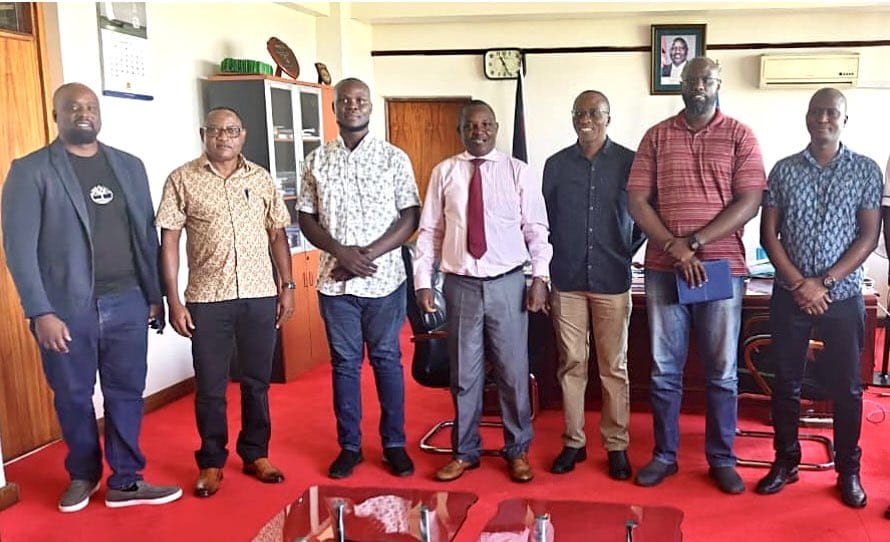
The recent briefing between a KMA delegation led by Deputy Director of Training and Certification (Engineering) Senteu Tutui and Nyanza Regional Commissioner Onesmus Musyoki Kiatha is a practical signal of seriousness. Stakeholder coordination with county administrations, Beach Management Units, and local leaders is essential for transparent recruitment and vetting.
The programme, delivered in partnership with Bandari Maritime Academy under a Recognition of Prior Learning framework, targets existing working coxswains. Many already possess practical skills acquired through years on the water; RPL assesses those skills, closes gaps in navigation, boat handling, engine operation, safety, and emergency response, and leads to formal Grade 3 certification. The first phase aims at around 5,000 participants, with the full 15,000 targeted over time so that, within roughly three years, uncertified operators are phased out.
This is not isolated capacity-building. It sits within a broader Sh4.6 billion KLVMCT investment that includes maritime sub-centres in the five counties, a central Search and Rescue Coordination Centre in Kisumu nearing completion, fast rescue boats, improved communications, vessel inspection and certification services brought closer to users, registration of boat builders, and efforts to make life jackets more affordable through local production. Complementary youth components aim to prepare hundreds more for specialized roles—engine and navigation ratings, and hospitality skills geared toward international cruise and shipping opportunities. These elements address root causes identified by KMA officials: substandard vessels, untrained personnel, low compliance (historically around 15 percent), marine pollution pressures, and the high fatality rate in accidents, where drowning has accounted for the large majority of deaths.
The safety case is overwhelming. Hundreds of accidents and well over 250 deaths in a decade are not abstract statistics; they represent families shattered, fishing communities impoverished, and a public transport system that ordinary people use daily under unacceptable risk. Formal certification creates accountability. It raises the baseline competence of those who pilot the thousands of vessels—many concentrated in Homa Bay and Siaya—that move people, fish, and goods. Paired with better weather information systems, search-and-rescue capacity, and eventual enforcement that no uncertified operator may work the lake, the programme can drive measurable reductions in preventable loss of life. Regional parallels under the wider Multinational Lake Victoria Maritime Communications and Transport Project, including progress on Maritime Rescue Coordination Centres in Tanzania and Uganda, show that coordinated infrastructure and training can cut fatalities when implemented with discipline.
Beyond safety lies economic logic. Lake Victoria supports livelihoods for millions in the basin. Professionalized operators, safer vessels, and reliable emergency response improve confidence in water transport, tourism, and fishing. Certification expands employability: holders gain formal credentials recognized within Kenya and, through Kenya’s growing network of mutual recognition agreements and Seafarer Identity Documents, pathways into international shipping and cruise work. For young people in the five counties, the broader skills pipeline offers an alternative to limited local opportunities and contributes to Kenya’s ambition to supply skilled maritime labour globally while increasing remittances. Decentralizing KMA services reduces the previous burden of traveling to the coast for inspections and certification, lowering barriers for small operators.
Implementation risks remain real and must be confronted openly. Recruitment and vetting of 15,000 people across five counties invites political interference, elite capture, or exclusion of genuine working coxswains if processes lack transparency and grassroots BMU involvement. Training quality must be consistent; RPL is efficient only if assessments are rigorous and gaps are genuinely closed. Certification without parallel enforcement of vessel standards, life-jacket carriage, load limits, and operator licensing will under-deliver. Sustainability requires ongoing funding for centres, boats, communications, and refresher training, plus coordination with county governments and the Kenya Coast Guard Service. The cost of compliance for poor fishers—better vessels, engines, and gear—cannot be ignored; targeted support or phased enforcement will be necessary to avoid pushing informal operators into deeper informality or hardship.
Critics may argue that the focus on training existing operators is incremental rather than transformative, or that resources could be better spent solely on hardware. That underestimates the human factor. Technology and infrastructure save lives only when the people operating vessels understand weather risks, basic navigation, emergency procedures, and their legal responsibilities. Experience elsewhere in maritime regulation shows that professionalization, once enforced, changes culture. Kenya has already demonstrated capacity on the Indian Ocean side; extending credible standards inland is both feasible and overdue.
The briefing with the Regional Commissioner and the push to begin recruitment signal that the window for delivery is open. Success will be measured not by the number of certificates issued, but by fewer capsizings and drownings, higher vessel compliance, measurable growth in safe passenger and cargo movements, and tangible employment gains for certified Kenyans on the lake and beyond.
Lake Victoria’s communities have waited too long for a system that treats their lives and livelihoods with the seriousness they deserve. The KLVMCT training programme, if executed with integrity, transparency, and sustained political will, can help turn the lake from a site of recurrent tragedy into a safer, more productive engine of the blue economy. The opportunity is real; the responsibility to deliver rests with KMA, its partners, county leadership, and the communities themselves.