


For decades, the narrative surrounding the Port of Mombasa has been defined by the physical: the length of the berth, the depth of the channel, and the sheer tonnage of cargo moving across the quay. While these metrics remain the bedrock of maritime trade, a quiet but profound revolution is taking place at the Kenya Ports Authority (KPA). The focus is shifting from concrete and steel to bytes and batteries.
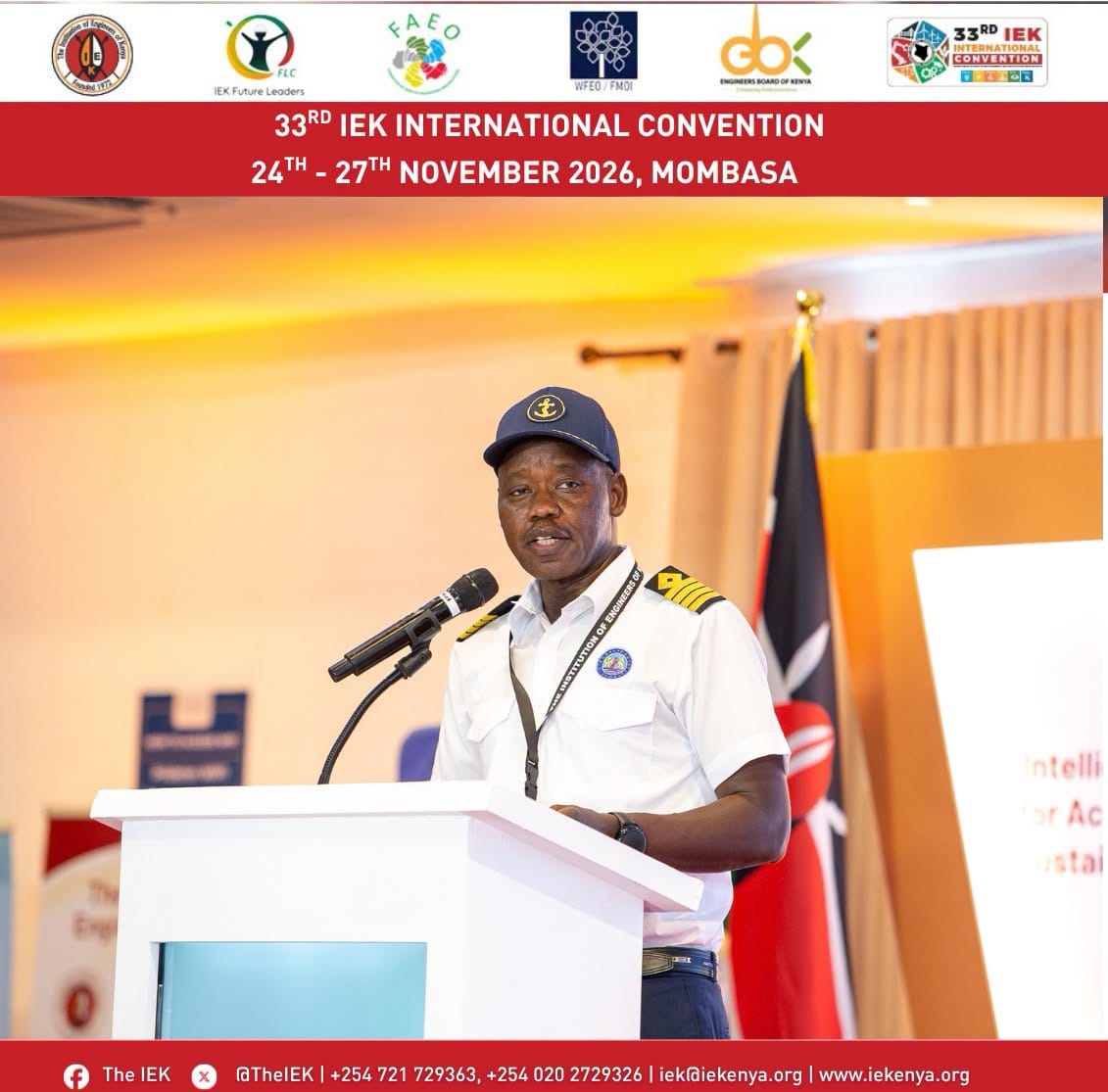
As revealed during the 33rd Institution of Engineers of Kenya (IEK) Convention in Mombasa, KPA CEO Capt. William Ruto has outlined a vision that transcends traditional port expansion. The Authority is not just building a bigger port; it is engineering a smarter, greener, and more resilient logistics ecosystem. This pivot is not merely an operational upgrade—it is an existential necessity if Mombasa is to defend its hinterland against aggressive regional competition and stake a claim in the league of global maritime hubs.
The Digital Backbone: IFS Cloud ERP
The centerpiece of this modernization—and perhaps the least glamorous but most impactful initiative—is the rollout of the IFS Cloud Enterprise Resource Planning (ERP) platform. In the high-stakes world of port operations, fragmentation is the enemy of efficiency. Historically, large bureaucracies like KPA have struggled with siloed data, where finance, procurement, and engineering operate in separate realities.
By integrating these functions into a single digital ecosystem, KPA is effectively future-proofing its decision-making. The IFS Cloud ERP will allow for real-time asset management, predictive maintenance, and streamlined procurement. When a crane requires servicing, the system will not just flag it; it will simultaneously trigger the procurement of parts, schedule the engineering team, and update the financial ledger. This is the difference between a reactive port and a predictive one. It is the infrastructure of accountability and speed.
The Engineering Challenge: Bigger Ships, Faster Turnarounds
Capt. Ruto’s assertion that investments have strengthened the port’s ability to accommodate larger vessels is a critical competitive marker. The global shipping industry has moved decisively toward mega-vessels. If a port cannot handle these ships, it is bypassed. The modernization of cargo-handling equipment and the expansion of infrastructure are not vanity projects; they are the entry fee for relevance in the 21st-century supply chain.
However, infrastructure alone is insufficient. The CEO correctly noted that future competitiveness depends on “digital systems, data connectivity, and intelligent technologies.” This is where the marriage of hardware and software becomes crucial. A deep berth is useless if the cargo cannot clear customs quickly or if the container yard is inefficiently managed. By investing in smart technologies, KPA is attacking the “dwell time” problem—the silent killer of port profitability.
The Green Imperative: From Compliance to Leadership
The recognition by Principal Secretary Dr. Eng. Festus Ngeno of KPA’s Green Port Policy highlights a strategic shift in sustainability. The maritime industry is under immense pressure to decarbonize, and ports are often the frontline of this transition.
KPA’s investment in hybrid Rubber-Tyred Gantry (RTG) cranes, electrified harbour cranes, and eco-hoppers is a commendable move from rhetoric to action. These technologies significantly reduce carbon emissions and noise pollution. But beyond the environmental dividends, there is a commercial one. Global shipping lines are increasingly prioritizing “green ports” in their routing decisions to meet their own Scope 3 emission targets. By adopting cleaner cargo-handling technologies, Mombasa is not just saving the planet; it is making itself the preferred destination for environmentally conscious global carriers.
The Competitive Edge and the Road Ahead
The strategic trifecta of infrastructure expansion, digital transformation (ERP), and sustainability positions the Port of Mombasa to compete with leading maritime hubs. However, the path forward requires vigilance.
First, the success of the IFS Cloud ERP depends on change management. Technology is only as good as the people using it. KPA must invest heavily in upskilling its workforce to ensure the digital transition is seamless.
Second, the “Green Port” initiative must be holistic. It must extend beyond the port gates to include the trucking fleet and the broader logistics corridor to truly minimize the carbon footprint of trade.
Finally, as Mombasa automates, it must ensure that the benefits of efficiency trickle down to the consumer. A faster port reduces the cost of doing business, which should, in theory, lower the cost of goods.
Conclusion
KPA’s modernization programme is a bold statement of intent. It signals that Mombasa refuses to be a passive participant in global trade, content to merely handle what arrives on its shores. By embracing the IFS Cloud ERP and green technologies, Capt. Ruto and his team are engineering a port that is not just bigger, but smarter and cleaner.
The future of maritime trade will not be won by the port with the most berths, but by the one with the most intelligent systems and the lowest environmental impact. Mombasa is making its bet. For the sake of the region’s economic future, that bet must pay off.
The writer is an analyst of maritime affairs and regional trade.