


Kenya stands at a pivotal moment in its energy journey.
Having earned global recognition for its leadership in renewable energy—with over 90 percent of its electricity now generated from clean sources—the nation has built a foundation to be proud of. Yet, as Kenya industrializes, expands its urban centers, and solidifies its role as East Africa’s economic hub, the demand for reliable and flexible electricity is accelerating.
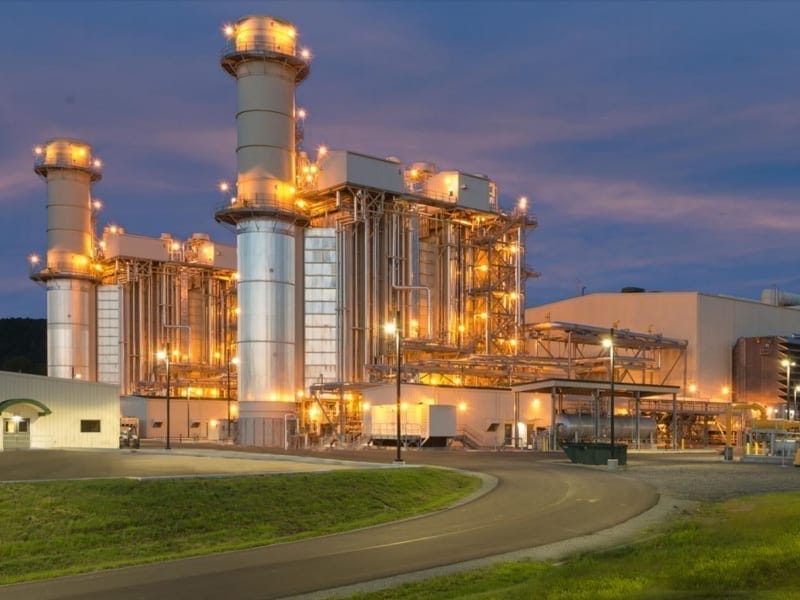
In this context, the proposal to construct a 1,200-megawatt (MW) gas-fired power plant on Kenya’s south-east coast warrants careful consideration as a strategic investment in the country’s energy security and economic future.
The proposal was announced last month by Energy Cabinet Secretary Opiyo Wandayi during a stakeholder forum in Mombasa, where he outlined the government’s vision for the estimated $1.5 billion project. No specific cost was disclosed at the event, though preliminary estimates place the investment in the range of $1.2 billion to $1.5 billion, depending on final design and financing structure.
The pressure on the national grid is mounting. Steady industrial growth, the expansion of port activities, the rise of digital infrastructure, and the development of new manufacturing zones are all driving electricity demand higher. Major initiatives like Special Economic Zones (SEZs), logistics parks, and export-oriented hubs require an uninterrupted power supply to function and attract investment.
While renewable sources like geothermal, wind, and solar are the bedrock of Kenya’s energy mix, their output can be variable. They cannot, on their own, provide the rapid flexibility needed to balance the grid against sudden fluctuations in demand or generation. Gas-fired power offers a compelling solution.
A modern gas plant utilizing combined-cycle technology can deliver stable baseload electricity while possessing the unique ability to ramp up or down quickly when renewable generation dips. This provides a critical buffer for the grid.
Compared to diesel or heavy fuel oil plants, which are costly and environmentally inefficient, natural gas facilities are significantly cleaner and more cost-effective. Strategically deployed, gas power can serve as an ideal transitional bridge, complementing Kenya’s renewable strengths and ensuring the grid’s stability as the economy expands.
The proposed location on the south-east coast is another powerful argument for the project. The greater Mombasa region is rapidly emerging as a premier industrial and logistics corridor. The Port of Mombasa, the gateway to East and Central Africa, is continually expanding its capacity. Concurrently, the development of the Dongo Kundu SEZ and associated infrastructure signals the government’s firm commitment to transforming the coast into a manufacturing and trade powerhouse. These developments will inevitably generate a concentrated surge in electricity demand, making a large-scale power plant in this specific region not just beneficial, but strategically necessary.
A coastal gas-fired station would also align with broader maritime and energy ambitions. Given that Kenya does not yet produce natural gas domestically, the plant would likely rely on imported liquefied natural gas (LNG) delivered via the Indian Ocean. This would necessitate the development of LNG import and regasification infrastructure at the coast.
Such facilities would, in turn, create new opportunities for the maritime sector, positioning Kenya as a player in regional energy logistics and strengthening its strategic foothold in Indian Ocean trade.
Beyond the technicalities of energy supply, the project’s economic implications are profound. Such a 1,200 MW facility, when implemented, would generate thousands of direct and indirect jobs during the development phase and create lasting employment in operations, maintenance, and associated services.
Also, it would act as a catalyst, stimulating investment in supporting infrastructure—new transmission lines, enhanced port capabilities, and the reliable power backbone that makes industrial zones viable. For the coastal region, which has long sought deeper integration into the national economic framework, this project could be a transformative engine for sustainable development.
Critics rightly raise legitimate concerns about the cost of thermal projects and the risk of locking the country into excess capacity. Kenya has faced challenges in the past with power purchase agreements that burdened consumers with capacity charges even when demand was low.
These hard-earned lessons must inform every stage of a new gas project. Transparent procurement, conservative and realistic demand forecasting, and carefully structured financing are not optional—they are essential to ensure the plant contributes to affordable electricity rather than perpetuating high tariffs.
Environmental stewardship must also remain central to the conversation. While cleaner than liquid fossil fuels, natural gas is still a fossil fuel. Kenya has rightly positioned itself as a champion of green energy and climate leadership. Any new thermal project, therefore, must be consistent with long-term sustainability goals.
The key is to view gas not as a permanent replacement for renewables, but as a strategic enabler. It is a transitional technology designed to support grid stability and industrial growth while Kenya continues to aggressively expand its geothermal, solar, and wind capacity.
Ultimately, energy planning is about balance. A modern economy requires both sustainability and reliability. Kenya’s impressive renewable portfolio demonstrates its commitment to the former, but maintaining a resilient power system demands complementary sources that can stabilize the grid when the sun doesn’t shine and the wind doesn’t blow.
The challenge for policymakers is not simply a binary choice of whether to build, but how to integrate such a project into a cohesive, forward-looking energy strategy—one that safeguards affordability, upholds environmental responsibility, and drives long-term national development.
That would be the best way to make the proposed coastal gas power station a cornerstone of Kenya’s next great phase of economic transformation.