


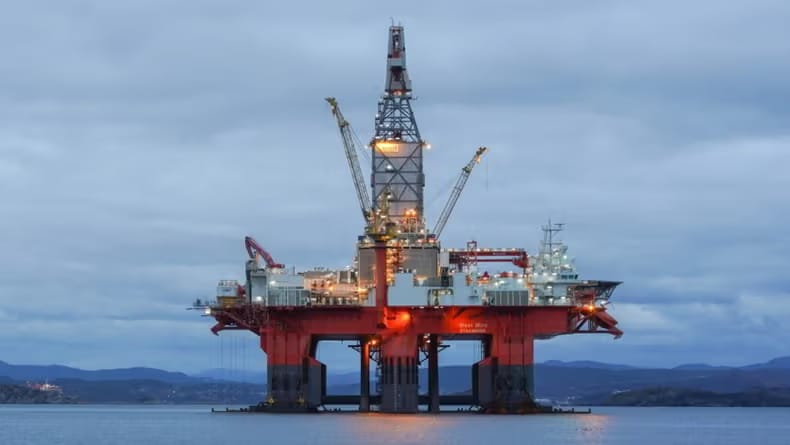
In the cyclical and often unforgiving world of hydrocarbons, a single discovery can transform a nation overnight—at least in perception, if not immediately in reality. Namibia has now arrived at such a moment.
Since 2022, when TotalEnergies and Shell announced major offshore oil finds, this southern African nation has shifted from the margins of global energy maps to a position of keen strategic interest.
What has followed is a cascade of high-stakes investments, which saw BP recently securing a 60 percent operating stake in exploration licenses in the Walvis Basin, while Petrobras acquired a substantial share in another offshore block. Namibia is truly a place to go for exploration.
However, beneath the optimism lies a more complex question. Can Namibia translate this sudden attention into sustainable national prosperity, or will it become another cautionary tale in the long history of resource-rich but development-poor states?
BP’s entry as an operator is particularly telling. Operatorship is not merely a financial stake; it signifies control, technological leadership, and long-term strategic commitment. BP’s move, following earlier exploratory successes with Eni, signals confidence not only in Namibia’s geological promise but also in its regulatory and political environment.
For a country historically reliant on mining and fisheries, this marks a profound structural shift. If commercially viable at scale, oil could redefine Namibia’s economic trajectory for decades.
But history urges caution. Across Africa and beyond, oil discovery has too often brought governance challenges, economic distortions, and social inequality. The so-called resource curse is not inevitable, but it is a persistent risk.
To its credit, Namibia begins with advantages: a relatively stable political system, a small population, and a reputation for prudent economic management. Yet these strengths must now withstand the pressures of rapid capital inflows, complex contract negotiations, and the ever-present temptation of short-term gains.
The clustering of global giants—TotalEnergies, Shell, BP, and Petrobras—also creates a competitive dynamic that Namibia must skillfully manage. Competition can drive better terms, technology transfer, and faster development. But it can also overwhelm institutional capacity, particularly in negotiating equitable production-sharing agreements and enforcing environmental and social standards. The asymmetry between multinational corporations with decades of offshore experience and a relatively new oil-producing state cannot be ignored. Namibia must invest as much in institutional strength as in infrastructure.
Timing is equally critical. Namibia’s oil moment arrives as the global energy transition accelerates. While hydrocarbons remain central to the energy mix, the long-term trajectory is shifting unmistakably toward renewables and low-carbon alternatives. This creates a narrowing window of opportunity.
Namibia must monetize its resources efficiently and responsibly, avoiding the trap of stranded assets in a decarbonizing world. The paradox is stark: move quickly enough to capitalize on current demand, yet carefully enough not to sacrifice long-term value.
Environmental considerations add further complexity. Offshore drilling, especially in ecologically sensitive marine environments, carries inherent risks. Namibia’s coastline, part of the Benguela Current ecosystem, is among the world’s most productive marine areas.
A major spill could devastate fisheries, tourism, and coastal communities. Experienced operators like BP and Shell offer technical reassurance, but they do not eliminate risk. Robust regulatory oversight, transparent environmental impact assessments, and clear accountability mechanisms are essential.
Regionally, Namibia’s emergence as a potential oil producer could reshape southern Africa’s energy landscape—reducing dependence on imported fuels, creating new trade corridors, and spurring infrastructure development, particularly at ports like Walvis Bay. Downstream industries—refining, petrochemicals, and logistics—could take root, creating jobs and diversifying the economy. But these outcomes are not automatic. They require deliberate policy choices, coordinated planning, and significant investment in human capital.
Petrobras’s involvement is especially noteworthy. With deep expertise in offshore and deepwater production, Petrobras brings not only capital but technical knowledge that could accelerate Namibia’s learning curve.
Its partnership model, often involving collaboration with host governments, may offer useful templates for balancing commercial and national interests. Yet the ultimate measure will be how much value is retained within Namibia’s economy.
At the heart of this story lies a fundamental tension between opportunity and responsibility. Oil discoveries generate expectations—among citizens, investors, and political leaders alike. Managing those expectations will be one of Namibia’s greatest challenges. Revenue from oil projects typically takes years to materialize, and the initial phases are capital-intensive with limited immediate returns. Premature spending, fueled by anticipated wealth, has undermined many resource economies. Namibia must resist this pattern, maintaining fiscal discipline while laying the groundwork for future revenues.
Transparency is another critical pillar. Clear reporting of contracts, revenues, and expenditures builds public trust and reduces corruption risks. Sovereign wealth funds, if properly designed and managed, can help stabilize income and ensure inter-generational equity. Norway is often cited as a model, but Namibia must adapt such frameworks to its own context, balancing immediate development needs with long-term savings.
Ultimately, Namibia’s oil moment is as much a test of governance as of geology. The presence of global energy majors underscores the scale of the opportunity—but also magnifies the stakes. Decisions made in the next few years on licensing, regulation, revenue management, and environmental protection will shape the country’s trajectory for generations.
There is, however, a broader lesson for Africa. Namibia’s experience illustrates the enduring relevance of natural resources on a continent rich in both renewables and hydrocarbons.
The challenge is not to choose one over the other, but to manage both in ways that maximize national benefit while aligning with global sustainability goals. If Namibia can strike this balance, it may not only secure its own future but also offer a model for others navigating similar crossroads.
For now, the world is watching. Investors see promise, governments see potential partnerships, and citizens see the possibility of a transformed economy.
Whether these visions converge into a coherent and inclusive reality will depend on choices made with foresight, discipline, and a clear sense of national interest. Oil may have put Namibia on the map, but governance will determine whether it stays there for the right reasons.