


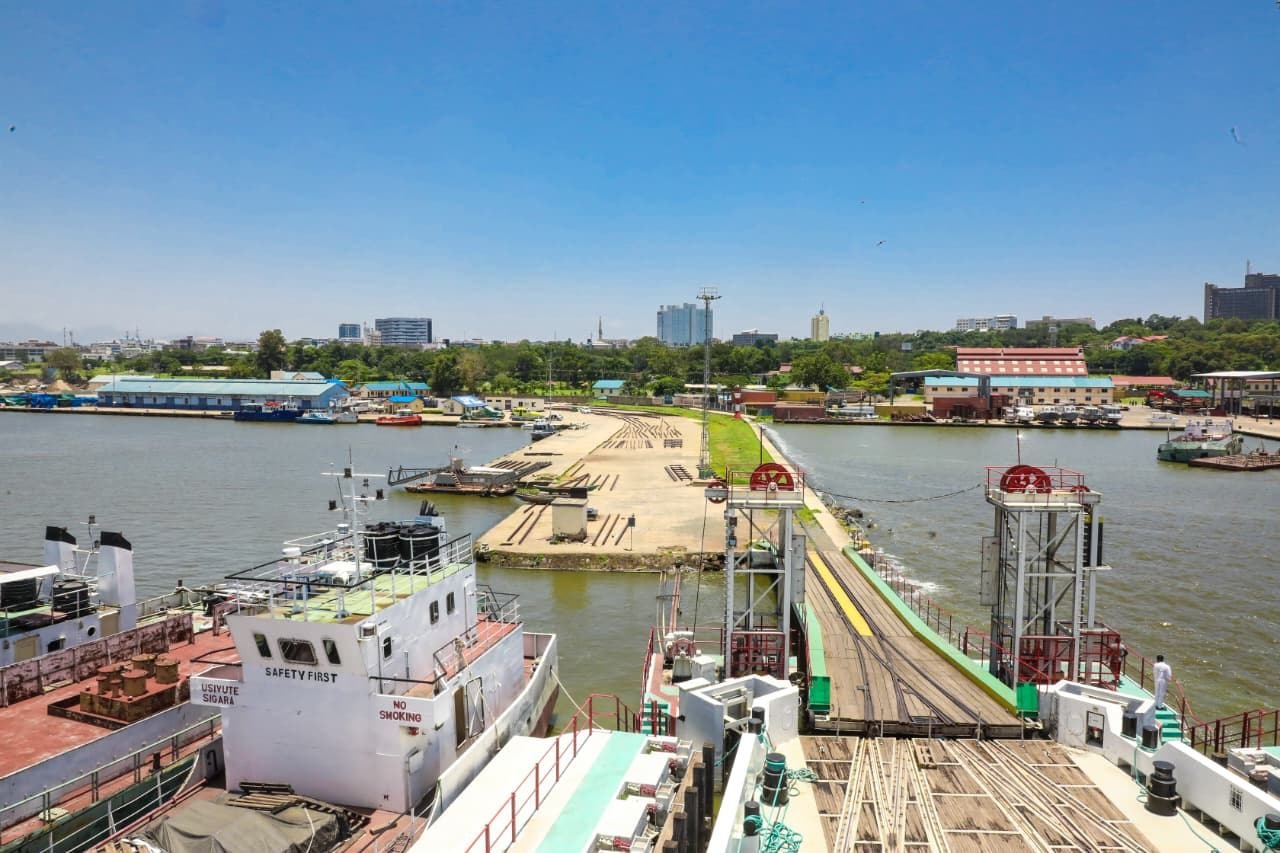
For many years, inland water transport across the Lake Victoria basin has been the sleeping giant of East Africa’s logistics network with huge potential, but it has remained underutilized.
However, now that narrative is finally shifting. The ongoing expansion of Kisumu Port, the region’s largest inland waterway hub, marks a deliberate strategic pivot by the Kenya Ports Authority (KPA) to reclaim the lake as a vital commercial artery.
At first glance, the infrastructure upgrades may seem routine—an extended quay, a larger yard, a new warehouse, improved drainage. But together, they signal something far more consequential: a reimagining of how goods, people, and economies across Kenya, Uganda, and Tanzania can be connected more efficiently and sustainably.
The extension of the quay from 262 to 392 metres is especially significant. It is not merely about accommodating more vessels—it is about reducing turnaround times, easing congestion, and making lake transport commercially viable once again. Coupled with expanded yard space and warehousing capacity, Kisumu is positioning itself as a serious multimodal logistics hub, not just a peripheral port of convenience.
Equally important is the renewed focus on intermodal connectivity. A dedicated access road to streamline truck movement and a metre-gauge railway link to the linkspan are critical steps toward seamless cargo transfer. If executed effectively—and eventually integrated with the Standard Gauge Railway (SGR)—this could unlock efficiencies that have long eluded the Northern Corridor. The result? Lower transport costs, faster cargo movement, and a credible alternative to overburdened roads.
Yet the most transformative aspect of this initiative may lie beyond cargo. The planned revival of passenger services, anchored by a new ferry and passenger terminal, has the potential to reconnect communities that are geographically close but economically distant. Lake transport is not just about goods—it is about people, livelihoods, and regional cohesion.
The broader strategy to develop smaller ports such as Sio Port, Usenge Pier, and Muhuru Bay further underscores a network-based rather than a single-port model. This decentralization is critical. A thriving inland water transport system depends not on one dominant hub, but on a constellation of well-functioning landing sites that feed into and draw from one another. In this regard, the KPA’s vision aligns with global best practices in regional maritime development.
However, infrastructure alone will not guarantee success. The real test lies in operational efficiency, policy harmonization, and cross-border collaboration. Non-tariff barriers, inconsistent customs procedures, and regulatory fragmentation across Lake Victoria’s littoral states have historically undermined the competitiveness of lake transport. Without deliberate efforts to tackle these challenges, even the most modern port facilities risk underperformance.
There is also the question of sustainability. Inland water transport is inherently more environmentally friendly than road haulage, offering lower emissions per ton-kilometre.
In an era where climate considerations are reshaping global logistics, Kisumu Port’s revival offers East Africa a chance to align economic growth with environmental responsibility. But this will require conscious policy choices—including incentives for green vessels and stricter environmental safeguards.
Ultimately, the expansion of Kisumu Port is more than an infrastructure project. It is a statement of intent. It reflects a growing recognition that East Africa’s economic future cannot rely solely on coastal gateways like Mombasa, but must also leverage its inland waterways to build a more balanced, resilient, and integrated transport ecosystem.
If sustained with political will, regional cooperation, and operational discipline, this investment could finally awaken Lake Victoria’s long-dormant promise—transforming it from a geographical feature into a dynamic engine of trade and connectivity.
The lake is stirring again. The question now is whether the region is ready to sail with it.