


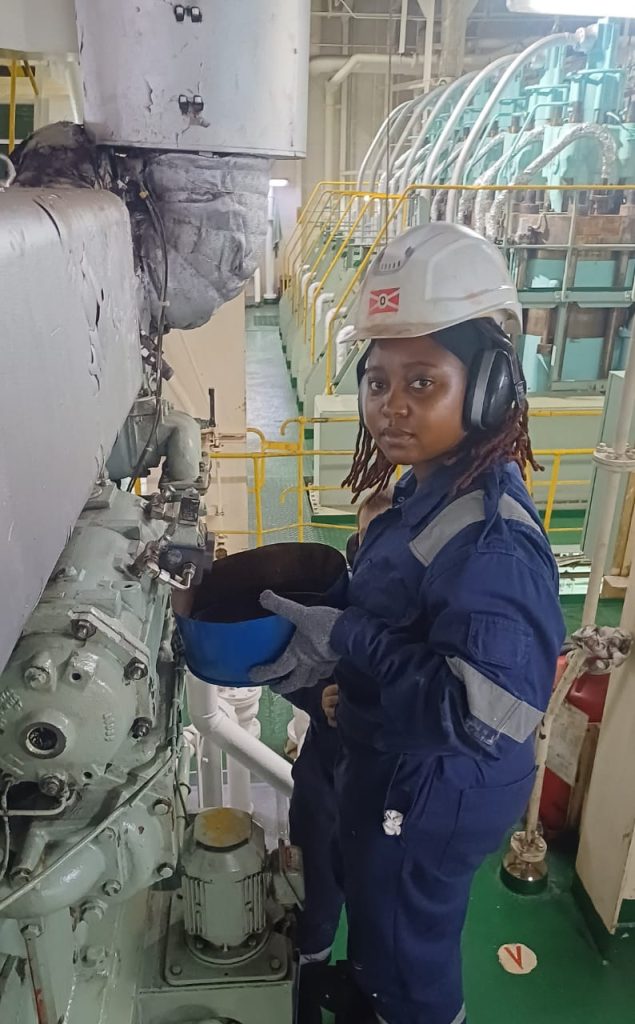
Sea time is the lifeblood of a seafarer’s professional career. In the maritime world, no amount of classroom instruction, simulator training, or academic certification can replace the value of practical experience gained at sea.
Ships are dynamic, unforgiving, and highly technical environments where competence is forged through real operational exposure. That is why sea time remains one of the most critical requirements in the training, certification, and career advancement of seafarers worldwide.
Sea time refers to the actual period a seafarer spends working aboard an operational vessel under supervision. It is not merely time spent on a ship at anchor or alongside a pier. Genuine sea service involves active participation in navigation, engineering operations, cargo handling, safety drills, watch keeping, and emergency preparedness while the vessel is trading at sea.
Under the Standards of Training, Certification and Watch keeping (STCW) Convention, administered by the International Maritime Organization, sea time is a mandatory requirement before a cadet can qualify as an Officer of the Watch, Chief Mate, Master Mariner, Second Engineer, or Chief Engineer. The maritime industry recognizes that seamanship cannot be learned through theory alone. It is forged through discipline, repetition, exposure to operational risks, and experience under real sea conditions.
The global shipping industry places enormous importance on sea time because vessels operate in some of the most hazardous and technically demanding environments on earth. A ship officer must master navigation systems, machinery operations, cargo stability, weather routing, collision regulations, maritime communication procedures, and crisis response. These skills can only be developed progressively through supervised onboard service. Sea time, therefore, acts as the bridge between maritime education and professional competence.
For cadets pursuing deck officer careers, sea service provides practical bridge watchkeeping experience under senior officers. They learn navigation planning, radar operations, ship handling, cargo documentation, and compliance with international maritime regulations. Engine cadets, meanwhile, acquire hands-on knowledge of engine-room operations, machinery maintenance, fuel systems, electrical systems, and safety management procedures. Without proper sea time, maritime certificates become hollow documents disconnected from actual ability.
This reality presents a major challenge for many emerging maritime nations, including Kenya. The country has made significant progress in maritime education and training through institutions such as the Bandari Maritime Academy, Technical University of Mombasa, Jomo Kenyatta University of Agriculture and Technology, and Mount Kenya University.
These institutions continue to produce ambitious young cadets eager to join the global maritime workforce; however, maritime education without structured sea‑time opportunities creates a dangerous disconnect between certification and competence.
Around the world, maritime nations succeed because they maintain strong partnerships between training institutions, shipping companies, and maritime administrations. Cadets are integrated into structured onboard training programmes that ensure proper mentorship, documented learning, and progressive professional development. This ecosystem allows young officers to accumulate genuine operational experience before assuming higher responsibilities at sea.
Sea time challenges
Kenya still struggles to create enough quality sea‑time placements for its growing number of maritime graduates. Many cadets complete their academic programs only to face years of frustration searching for vessels willing to take on trainees.
Some eventually abandon maritime careers altogether, despite years of study and financial sacrifice. This shortage of sea‑time opportunities threatens the country’s ambition to become a serious maritime and blue economy power.
The challenge is compounded by the global competitiveness of the maritime labor market. International shipping companies recruit officers from countries whose training systems inspire confidence and credibility.
Employers want assurance that officers holding certificates have undergone rigorous sea service, competent supervision, and internationally compliant training. For Kenya to compete effectively, the country must prioritize the integrity and expansion of sea‑time opportunities for cadets and junior officers.
Filling the gaps
The government, maritime regulators, and private shipping stakeholders must work together to establish sustainable cadetship programs aboard reputable vessels trading internationally. Kenya cannot build a globally respected maritime workforce without giving its trainees access to real ships, real operations, and real responsibility at sea.
At the same time, maritime training institutions must align their enrolment capacity with available sea‑service opportunities to avoid producing graduates faster than the industry can absorb them. Expanding maritime education without expanding sea‑time placement capacity only creates frustration and vulnerability to exploitation.
The future of Kenya’s maritime sector will not be determined solely by modern ports, blue economy conferences, or policy declarations. It will ultimately depend on the quality, competence, and credibility of Kenyan seafarers navigating vessels across the world’s oceans. And that journey begins with sea time.