


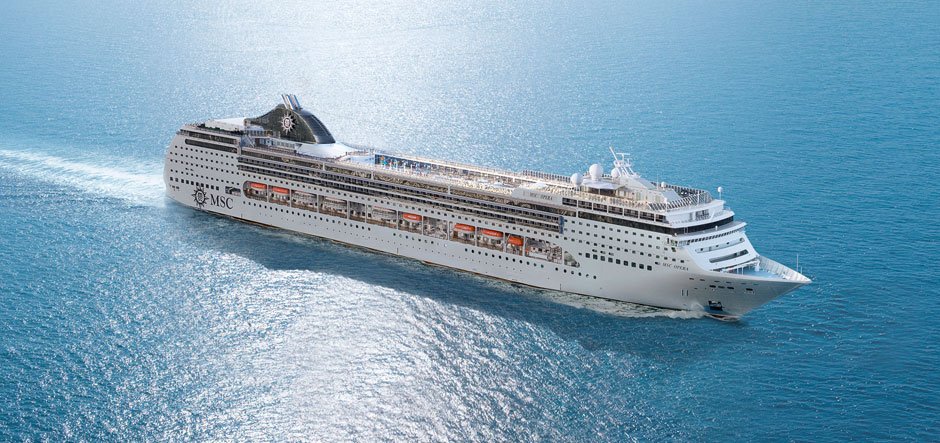
South Africa’s cruise industry is undergoing a quiet but profound transformation. Beneath the headlines of rising passenger numbers and expanding port activity lies a deeper story—one of shifting consumer behaviour, regional tourism economics, and the future of maritime infrastructure across the African continent.
The revelation that women now account for more than 65 percent of cruise passengers in South Africa is far more than a marketing statistic. It signals an industry evolving into a broader, more inclusive, and experience-driven sector—one capable of reshaping regional tourism patterns and redefining how African ports position themselves within the global cruise economy.
At the heart of this evolution is Durban. Long regarded as South Africa’s maritime gateway to the Indian Ocean, the port city is steadily consolidating its role as the country’s premier cruise homeport. This is no accident. Geography, infrastructure, tourism connectivity, and operational efficiency have combined to make Durban the natural anchor of Southern Africa’s cruise business. Increasingly, it is more than a departure point—it is a strategic tourism ecosystem where maritime logistics, hospitality, transport, and local commerce converge.
The growing dominance of women in the cruise market also reveals how cruising itself is changing. Once perceived as a luxury reserved for affluent retirees, cruising in Africa is becoming more mainstream, family-oriented, and lifestyle-driven. Women are often the primary decision-makers in household leisure spending and travel planning. Their rising participation suggests that cruise operators are successfully repositioning cruises as safe, accessible, and socially appealing holiday options—rather than exclusive experiences for elite travellers.
This demographic shift should compel cruise companies and tourism authorities to rethink their strategies. The future African cruise passenger is younger, digitally connected, value-conscious, and experience-focused. That reality demands more than aggressive advertising. It requires cruise products tailored to African consumers—with flexible pricing, culturally relevant entertainment, family-focused packages, and destination experiences that resonate with regional travellers.
Durban’s rise as a cruise hub further demonstrates the critical link between maritime infrastructure and economic development. Every cruise ship arrival creates ripple effects throughout the local economy: hotels fill with pre- and post-cruise guests; restaurants, tour operators, transport providers, retailers, and informal traders all benefit. Cruise tourism is not confined to port terminals—it extends deep into the urban economy.
Yet the sustainability of this growth depends heavily on infrastructure investment. Ports alone cannot shoulder the burden. Efficient road networks, modern passenger terminals, airport connectivity, destination safety, and quality tourism amenities are all essential. Without coordinated development, South Africa risks limiting its own growth potential at a time when global cruise operators are actively seeking emerging markets beyond traditional North American and European routes.
This challenge extends beyond Durban. If South Africa truly intends to become a leading cruise destination in Africa, other coastal centres must be integrated into a broader development strategy. Cape Town, Gqeberha, and Richards Bay each possess untapped potential to diversify itineraries and spread economic benefits more evenly. Cruise tourism flourishes where destinations offer variety, seamless logistics, and compelling shore experiences.
The importance of long-term planning cannot be overstated. Cruise deployment decisions are often made years in advance. Shipping lines allocate vessels based on infrastructure readiness, political stability, passenger demand, and commercial viability. South Africa must continuously demonstrate reliability and competitiveness to attract larger vessels and sustain growth. The return of bigger ships will depend not only on passenger demand but also on confidence in the country’s operational environment.
Africa’s cruise potential remains largely underdeveloped compared to other regions. Yet the continent boasts extensive coastlines, favourable weather, rich cultural heritage, and proximity to major international shipping lanes. What has often been lacking is strategic coordination between governments, ports, tourism agencies, and private investors. Durban’s current momentum offers a blueprint for what is possible when maritime infrastructure and tourism development move in tandem.
There is also a wider geopolitical and economic dimension. As Africa seeks to expand its blue economy, cruise tourism presents an opportunity to diversify maritime revenue beyond cargo handling and traditional shipping. Ports can no longer rely solely on container traffic and bulk cargo to drive growth. Passenger tourism represents a complementary sector capable of generating employment, foreign exchange earnings, and urban regeneration.
Most importantly, the rise of cruise tourism challenges outdated assumptions about who participates in maritime economies. The growing influence of women passengers reflects broader societal shifts in income patterns, leisure preferences, and travel accessibility across Africa’s middle class. It demonstrates that maritime industries are no longer isolated technical sectors operating far from ordinary citizens—they are becoming part of mainstream social and economic life.
South Africa now stands at a crossroads. It can treat cruise tourism as a seasonal niche industry or embrace it as a strategic pillar of regional economic growth. Durban’s emergence as a dominant cruise hub shows what is achievable through sustained investment and market adaptation. But maintaining that momentum will require vision, policy consistency, and a willingness to modernise supporting infrastructure across the tourism and transport chain.
The ships arriving in Durban carry more than tourists. They carry evidence that Africa’s maritime future is changing—and women are helping steer that transformation.