


This International Women’s Day, as the world celebrates the resilience, contributions, and untapped potential of women, the maritime industry remains a stark reminder of how far we still have to sail toward genuine gender equality. While shoreside roles show modest progress, the high seas are still among the most male-dominated spaces on the planet. It is time for the global maritime community to move beyond tokenism and accelerate meaningful, systemic change.
The Numbers Tell a Troubling Story
Recent data from the IMO-WISTA Women in Maritime Survey reveals both incremental gains and persistent stagnation. The absolute number of women in maritime has grown, yet their overall share of the workforce remains low—especially at sea, where women make up just 1–2% of global seafarers. These figures are not merely a diversity issue; they expose a massive talent shortfall in an industry already facing critical officer deficits. Excluding half the world’s population is not only unfair—it is economically shortsighted and unsustainable.
Enduring Challenges on Deck and Ashore
Women entering or advancing in maritime face multiple barriers: deeply entrenched cultural resistance, harassment, inadequate facilities, work-life imbalance due to long contracts, and stereotypes that stifle career progression. These challenges are not insurmountable, but they demand deliberate action, not platitudes.
Reasons for Optimism: Trailblazers and Momentum
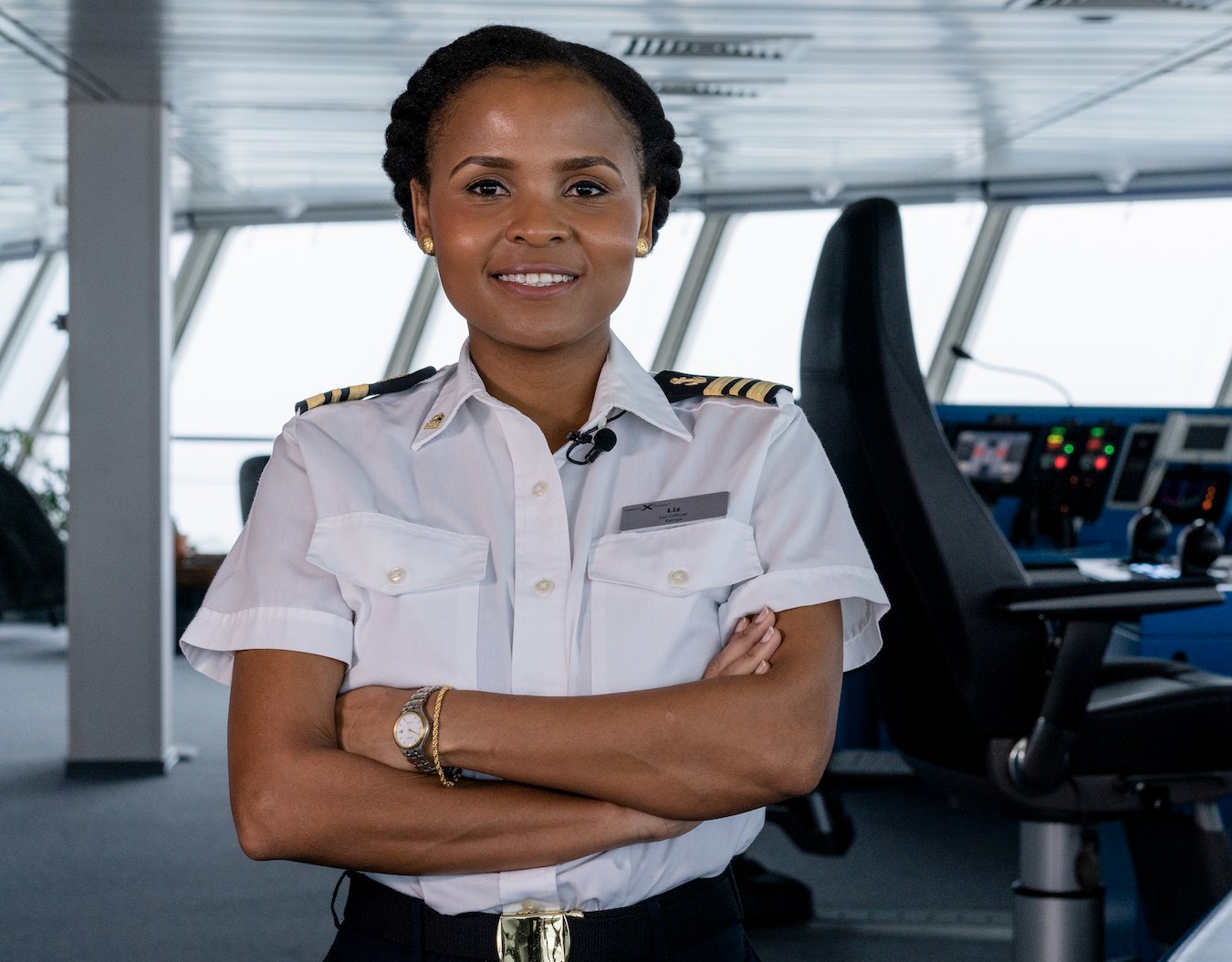
Despite the odds, inspiring women are breaking waves and charting new courses. Captain Elizabeth Wakesho Marami—Kenya’s first female Master Mariner and the first woman marine pilot in East Africa—stands as a powerful symbol of possibility. From her beginnings in Mombasa, she rose through the ranks at the Kenya Ports Authority, served as Chief Officer on mega cruise ships, and earned her Unlimited Master Mariner qualification in the United Kingdom. Her achievements continue to inspire a new generation of Kenyan and African women to pursue seafaring careers.
Other trailblazers, such as Captain Kate McCue (first American woman to command a mega-cruise ship) and Belinda Bennett (first Black woman cruise ship captain), further prove what is possible. National successes—like the significant rise in women seafarers in countries such as India—demonstrate that targeted initiatives work.
Initiatives like the IMO’s International Day for Women in Maritime, WISTA networks, mentorship programs, and the push for gender-neutral training in automation and digital technologies offer real pathways forward. The shift toward greener, smarter shipping creates new opportunities where diverse perspectives can drive innovation.
Our Opinion: Diversity Is Not Optional—It Is Essential for Maritime Excellence
This International Women’s Day, we assert unequivocally: the future of maritime must be feminine-inclusive. Greater participation of women will enhance safety, boost innovation, improve problem-solving, and help address labor shortages. In an era of automation, decarbonization, and climate imperatives, excluding women is not viable.
True progress demands moving from policy to practice. Governments, shipping companies, ports, training institutions, and unions must commit to targeted recruitment; safe and inclusive workplaces; retention and advancement programs; data-driven accountability; and global solidarity—especially supporting women in developing nations.
A Call to Navigate Forward Together
This International Women’s Day is not only a celebration—it is a call to dismantle outdated barriers and build a maritime sector where talent, regardless of gender, can thrive. To women like Captain Elizabeth Marami and all those currently at sea, in ports, boardrooms, and classrooms: your presence is powerful, your contributions vital, and your potential limitless.
To industry leaders and policymakers: the tide is turning. Will you steer with it, or risk being left behind?
The ocean is vast enough for all. Let us commit today to a maritime future where women do not merely participate—they lead, innovate, and captain the industry toward sustainable excellence.
Happy International Women’s Day. May the winds of change fill our sails.