


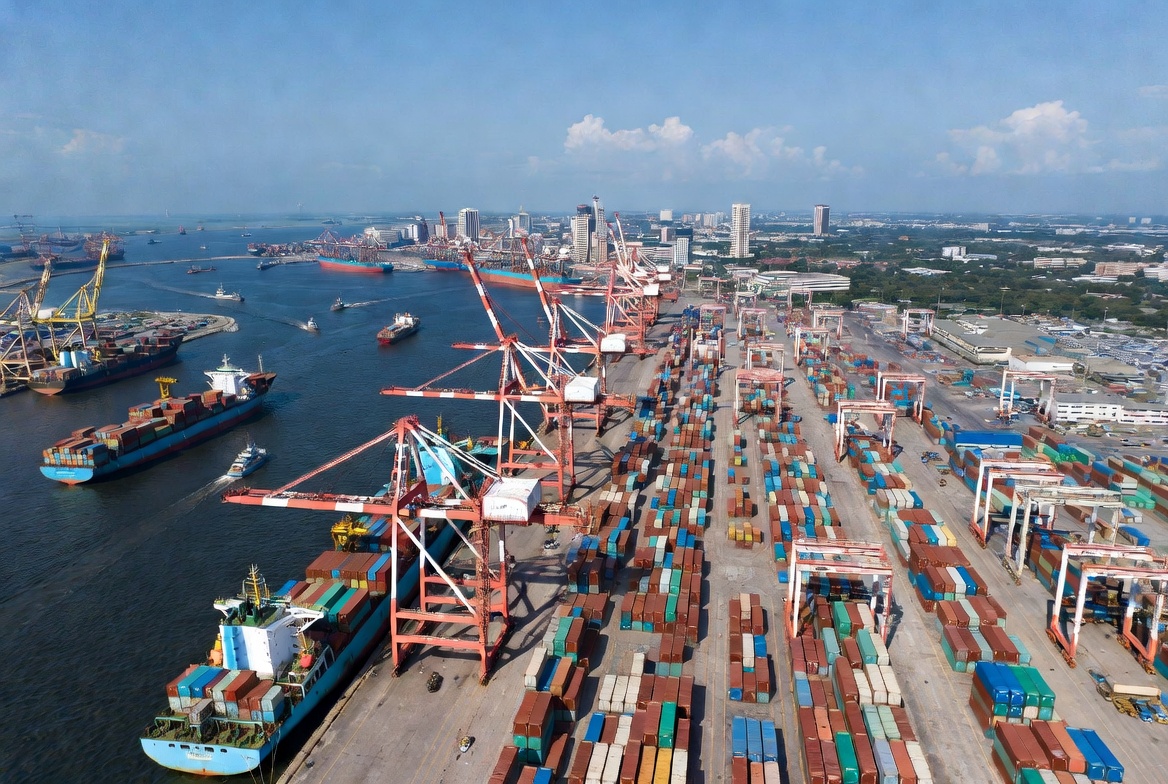
In a notable vote of confidence in Nigeria’s economic trajectory under President Bola Tinubu, APM Terminals—the port operating arm of A.P. Moller-Maersk—has pledged a fresh $600 million investment to modernize the Apapa Container Terminal and expand supporting logistics infrastructure. Announced during a bilateral meeting at the Africa CEO Forum in Kigali in mid-May 2026, the commitment builds on the company’s existing concession at Nigeria’s busiest container gateway, which dates back to 2006.
This is not Maersk’s first foray; the group has already poured billions into Nigerian ports. Yet the timing and scale of this new injection matter. It arrives as Nigeria grapples with reforming its economy, tackling foreign exchange volatility, and positioning itself as a serious West African trade hub. If executed well, it could mark a turning point. If it merely papers over systemic cracks, it risks becoming another expensive missed opportunity.
The Promise: Efficiency, Capacity, and Competitiveness
Apapa Port handles a massive share of Nigeria’s container traffic, serving as the primary gateway for imports and exports in Africa’s largest economy. Chronic congestion, outdated equipment, slow cargo processing, and poor hinterland connectivity have long plagued operations, contributing to billions in annual economic losses through delays, demurrage, and spoilage.
The proposed investment targets precisely these pain points: modernization of terminal facilities, upgrades to logistics infrastructure, adoption of technology-driven operations, and enhanced capacity to handle larger vessels. Success would mean faster vessel turnaround times, reduced truck queues on Apapa’s notorious access roads, lower costs for importers and exporters, and better integration with broader supply chains.
For Nigeria, the upside extends beyond ports. Efficient maritime gateways lower the cost of doing business, support manufacturing and agricultural exports, attract more foreign direct investment, and generate jobs—both direct (at the terminal) and indirect (in trucking, warehousing, and ancillary services). In an era when global supply chains favor reliable, scalable hubs, positioning Apapa as a competitive regional player is strategic. Maersk’s involvement brings world-class operational expertise that state management alone has historically struggled to deliver.
Realism Check: History and Hurdles
Skepticism is warranted. Port concessions in Nigeria have delivered improvements since the mid-2000s—APM Terminals itself introduced new cranes and boosted capacity early on—but challenges persist. Congestion remains episodic, with recurring complaints about empty container management, yard space, and coordination among terminals, shipping lines, and regulators. Nigeria’s ports have ranked poorly in global performance indices, often lagging behind peers in vessel turnaround and overall efficiency.
Critics sometimes accuse operators of prioritizing profits through high charges while systemic issues—crumbling access roads, inadequate rail links, bureaucratic customs processes, and fragmented regulation—lie partly outside their direct control. Local stakeholders, from truckers to clearing agents, have voiced frustrations over costs and service levels. Labor relations have occasionally turned tense.
For this $600 million to deliver transformative impact, several conditions must hold:
· Seamless public-private coordination: The Nigerian Ports Authority (NPA), customs, and other agencies must align on reforms.
· Hinterland connectivity: Roads, rail, and inland depots need parallel upgrades; a modern terminal feeding into gridlocked roads yields limited gains.
· Transparency and accountability: Clear milestones, independent oversight, and measurable KPIs (e.g., TEU throughput growth, dwell times, truck turnaround) are essential to prevent scope creep or under-delivery.
· Broader competition: While deepening APM’s role at Apapa is positive, Nigeria benefits from diversified investment—for instance, at the Lekki Deep Sea Port and from other players like MSC—to avoid over-reliance on a single operator.
A Pragmatic Path Forward
This investment should not be viewed in isolation but as part of the Tinubu administration’s reform push. It validates efforts to improve the business environment and signals to other investors that long-term bets on Nigeria can pay off. However, ports are only one link in the trade value chain. True success requires complementary actions: easing forex access for maritime businesses, streamlining cargo clearance, investing in skills for a modern port workforce, and tackling corruption that inflates costs.
Nigeria’s population, market size, and strategic location give it natural advantages. With disciplined execution, Maersk’s $600 million could help shift Apapa from a notorious bottleneck into a regional asset—unlocking trade, creating prosperity, and reinforcing private sector confidence.
The editorial stance here is cautiously optimistic. Foreign capital and expertise are vital, but Nigeria must hold up its end: policy consistency, infrastructure synergy, and an enabling environment. If both sides deliver, this pledge becomes a foundation stone for a more competitive maritime future. If not, it will be remembered as yet another headline in a long saga of unfulfilled port potential.
Nigeria deserves world-class ports. With this investment, the opportunity is clearer than ever. Now comes the harder part: turning announcement into enduring results.