


Kenya is preparing to host the 11th Our Ocean Conference, which is slated for June 16–18, 2026 at the PrideInn Paradise Beach Resort & Spa in Mombasa
This marks yet another a strategic declaration of the country’s ambition to lead Africa’s blue economy from the front.
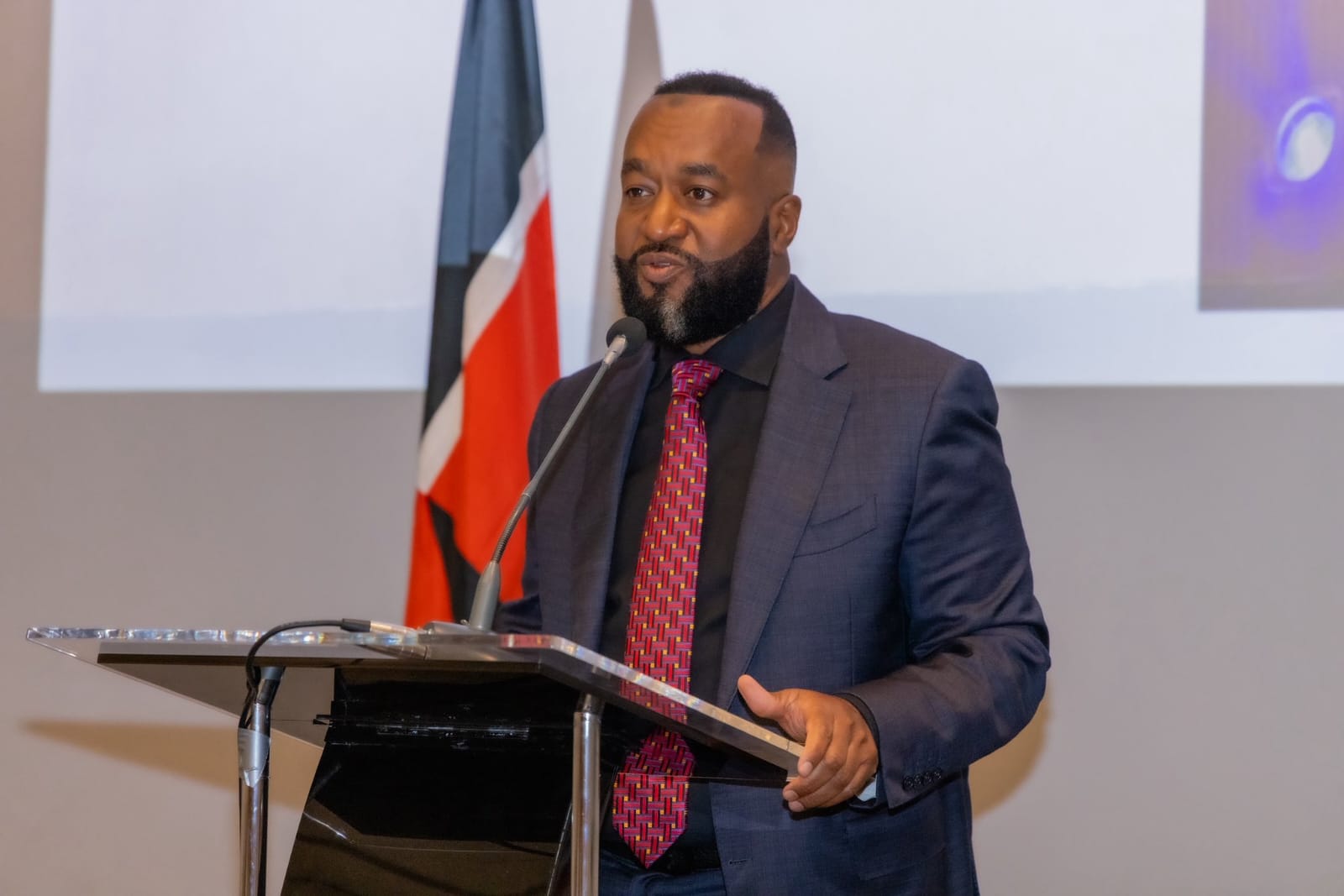
This week’s high-level pre-conference strategy meeting, convened by the Ministry of Mining, Blue Economy and Maritime Affairs at the Radisson Blu Hotel in Nairobi’s Upper Hill, give a detailed briefing about the preparations.
Chaired by Cabinet Secretary Hassan Ali Joho, alongside Principal Secretaries Harry Kimtai,Betsy Njagi and Aden Millah, the meeting assembled a formidable cross-section of actors: commercial banks, insurers, shipping lines, logistics operators, ICT providers, and private equity investors.
This inclusive approach is significant. It reflects a maturing understanding that the blue economy cannot remain siloed within ports, fisheries, or maritime ministries. It is a cross-cutting economic domain that intersects finance, technology, insurance, tourism, infrastructure, climate resilience, and international trade.
As the first African nation to host this globally respected forum, Kenya is stepping onto a stage long dominated by major maritime powers. More importantly, it is ensuring that Africa’s unique coastal priorities—sustainable fisheries, marine pollution control, port modernization, maritime security, climate adaptation, and equitable blue growth—are addressed directly from African shores rather than from distant capitals.
The symbolism is powerful. For too long, Africa’s maritime economies have been viewed primarily through the lens of extraction: resources shipped out, fisheries pushed to unsustainable limits, and critical ocean conversations held elsewhere. By hosting in Mombasa—East Africa’s premier gateway port and a strategically vital hub on the western Indian Ocean—Kenya has a compelling opportunity to shift the narrative toward stewardship, innovation, and inclusive prosperity.
Equally promising is the Executive Business and Investment Forum on 14–15 June, themed “Unlocking investment, innovation and enterprise growth in the African Blue Economy.” This forum may ultimately prove to be the conference’s most impactful deliverable. While policy declarations matter, investment drives transformation.
By centering capital mobilization, enterprise development, and innovation from the outset, Kenya is making clear that the blue economy must generate tangible, bankable opportunities—jobs and industrial growth included.
The presence of major players such as Kenya Commercial Bank, Maersk, SEACOM, and Centum Investment Company is particularly encouraging. Their participation reflects confidence not only in the event, but in Kenya’s broader maritime vision.
Shipping experts understand logistics futures. Banks understand capital allocation. ICT firms drive digitization. Insurers price risk.
Bringing these actors together with policymakers creates the fertile ground needed for concrete outcomes: green port financing, maritime digitalization, expanded subsea cable networks, tailored marine insurance products, enhanced fisheries value chains, clean energy solutions for ports, cruise tourism development, aquaculture investment, and coastal infrastructure partnerships. This is how ambitious blue economy policy translates into genuine economic growth.
The Ministry’s commitment to sustained stakeholder engagement ahead of the conference is commendable. Too many global events become glittering but fleeting showcases. Kenya appears intent on avoiding that fate by building broad ownership early. Such ownership will be crucial if the commitments made in Mombasa are to outlast the closing ceremony.
Expectations, rightly, will be high. Success will not be judged merely by attendance numbers or diplomatic optics, but by lasting impact: new investment pledges announced, meaningful conservation and fisheries partnerships forged, tangible benefits reaching coastal communities, and Mombasa’s position as East Africa’s leading maritime gateway strengthened—while balancing growth with environmental sustainability.
There is solid reason for optimism. Kenya has already shown regional leadership through the modernization of the Port of Mombasa, expanded maritime connectivity, and the elevation of the blue economy as a national development priority. The Our Ocean Conference offers a rare platform to align these domestic ambitions with global capital and international cooperation.
If executed with clarity and follow-through, the Mombasa gathering could mark a genuine turning point—not only for Kenya, but for Africa’s relationship with its ocean economy. It would affirm that the continent’s waters are far more than trade routes or extractable resources. They are emerging frontiers of innovation, resilience, and shared prosperity.
In essence, Kenya is not simply preparing to host the world by the ocean. It is positioning itself to help shape the world’s ocean future from African shores.