


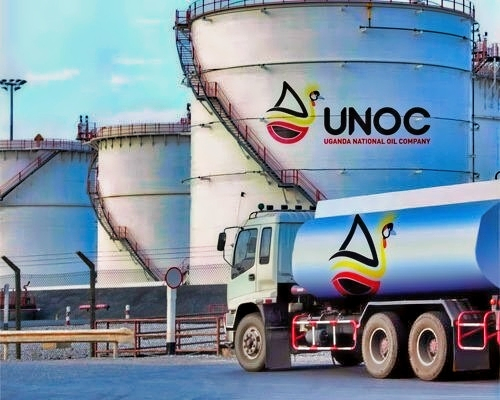
Uganda’s official branding of its crude oil as “Pearl Sweet” marks a pivotal moment for the East African nation—a declaration that it is finally ready to join the ranks of oil-exporting countries . With production at the Kingfisher field expected by the end of 2026 and the massive Tilenga project following suit, the country anticipates peak output of 230,000 barrels per day and annual revenues of approximately $2 billion over two decades . Yet beneath the celebratory rhetoric lies a deeply contested reality: a fragile governance framework struggling to manage newfound wealth, and an environmental and human rights toll that has already reached foreign courtrooms.
The Governance Test: Can Uganda Avoid the Resource Curse?
President Yoweri Museveni has publicly warned against the “resource curse” that has afflicted other African oil producers, urging that revenues be invested in productive assets—infrastructure, electricity, railways, and human capital—rather than luxury consumption . This acknowledgment is significant, as Uganda’s recoverable reserves of 1.65 billion barrels will eventually decline, and the nation’s long-term prosperity depends on what is built with the proceeds .
However, governance gaps remain concerning. The Natural Resource Governance Institute’s 2021 Resource Governance Index gave Uganda’s oil and gas sector a score of just 49 out of 100, highlighting critical deficiencies . The most pressing issues were the absence of fiscal rules governing withdrawals from the Petroleum Fund and the lack of laws requiring disclosure of beneficial owners of extractive companies—transparency measures essential for preventing corruption and elite capture .
To Uganda’s credit, reforms have followed. Following engagement with NRGI and the IMF, the government adopted fiscal rules capping transfers to the Consolidated Fund at 0.8% of non-oil GDP, with the remainder directed to a sovereign wealth fund . Parliament also amended the Companies Act to mandate beneficial ownership disclosure . These are positive steps, but their implementation remains untested as revenue begins flowing.
The broader economic strategy includes constructing a 60,000-barrel-per-day domestic refinery to reduce Uganda’s $2 billion annual petroleum import bill and harnessing associated gas for 80 megawatts of electricity generation . These initiatives reflect a genuine attempt at value addition—but they also carry cost overrun risks and require sustained political will.
Environmental Controversy: A Carbon Bomb in the Pearl
The environmental case against Uganda’s oil projects is damning. Climate scientists have labeled the East African Crude Oil Pipeline (EACOP) a “carbon bomb,” projected to emit 379 million tonnes of greenhouse gases over its 20-year lifetime—more than 58 times Uganda’s current annual emissions . This places the project in direct conflict with the Paris Climate Agreement’s objectives.
The ecological footprint extends far beyond emissions. Approximately 100 wells are being drilled inside Murchison Falls National Park, Uganda’s oldest and most biodiverse protected area, home to endangered Rothschild’s giraffes and African bush elephants . The 1,443-kilometer heated pipeline traverses 16 protected areas and the Lake Victoria Basin—a freshwater source for over 40 million people . Activists warn that inevitable aging infrastructure will lead to spills, devastating fragile ecosystems and wildlife migration routes .
TotalEnergies insists that “strict measures have been taken to avoid, mitigate and offset” environmental damage, citing efforts to restore forests and wetlands . Yet critics argue these assurances are insufficient against the scale of irreversible harm.
Human Cost: Displacement and Legal Battles
More than 100,000 people have been displaced by the oil projects, according to NGOs, with many decrying inadequate or delayed compensation . A 2023 study by the Africa Institute for Energy Governance found that 78% of affected respondents considered compensation unfair or delayed, and 97% of those who received cash were unable to purchase comparable replacement land . For rural farming households, this translates into reduced food production, declining incomes, and heightened vulnerability.
The human rights dimension has now reached British courts. In July 2026, four Ugandan farmers filed a lawsuit in the UK High Court against EACOP Ltd—the UK-registered company managing the pipeline—seeking to enforce Uganda’s own constitutional and environmental laws against the project . The claimants argue that Uganda’s courts have failed to protect citizens due to political pressure and intimidation, with opponents facing arrest for protesting . Their requested remedy—an injunction to stop oil transportation—could fundamentally threaten the project’s commercial viability .
This case represents a “first-of-its-kind” legal strategy, described as a “global test case for whether new fossil fuel megaprojects can still be forced through despite mounting legal, financial, climate and community opposition” . It follows earlier lawsuits in France against TotalEnergies, where a Paris court recently ruled the company liable for emissions generated by its clients—a landmark climate law decision .
The Path Forward
Uganda stands at a crossroads. Pearl Sweet offers genuine potential for economic transformation—but only if governance reforms are rigorously implemented, fiscal discipline maintained, and revenues directed toward durable, inclusive development. Simultaneously, the nation cannot ignore the environmental and human rights costs that have already drawn international legal scrutiny.
The world is watching. How Uganda navigates this delicate balance between resource exploitation and sustainable stewardship will set a precedent not just for East Africa, but for every developing nation confronting the oil boom dilemma. The Pearl of Africa’s new treasure must not become its curse.