


The Kenya Ports Authority is quietly undertaking one of the most consequential operational overhauls in its recent history. Its long-serving SAP ECC6 enterprise resource planning system is being replaced by IFS Cloud—a modern, integrated platform built for the complexities of contemporary port and logistics operations. The project has now reached the blueprint stage: the critical phase in which business processes and requirements are defined, challenged and validated before any configuration or prototyping begins.
This is not merely a software upgrade. It is an opportunity to rethink how the Authority works.
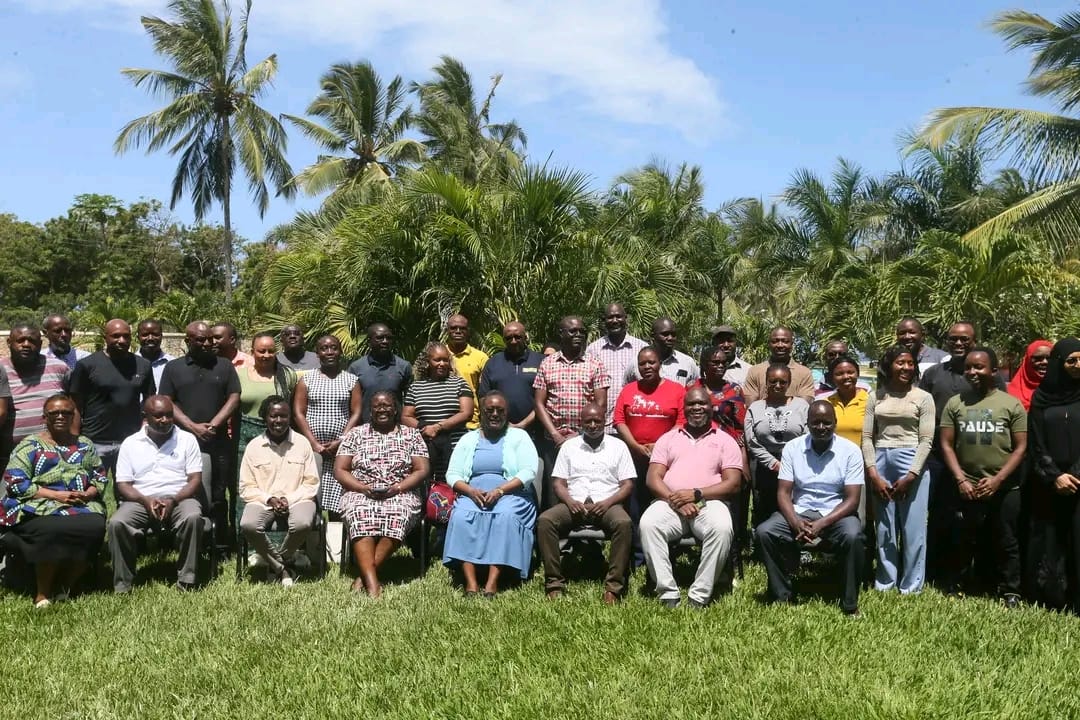
A recent workshop in Kilifi brought together process owners and subject matter experts from the Administration Division—the third user division to complete this stage. The exercise was deliberate and rigorous: participants reviewed operational requirements in detail so that what is eventually embedded in the new system reflects actual work practices rather than abstract process maps. Catherine Wangari, Head of Administration and the division’s process owner, captured the essential truth of such transformations when she observed that success is driven not by systems alone, but by people. The knowledge, experience and practical insights shared in those sessions, she noted, demonstrated the depth of talent already present within the Authority.
Project Manager Julita Marende, who leads the multidisciplinary Project Implementation Team, reinforced the point. The blueprint phase, she explained, gives users a direct hand in shaping KPA’s future digital operating environment. “This is more than a technology implementation,” she said. “It is an opportunity for KPA to review how we work, streamline processes and align our operations with industry best practices.” Early and active participation reduces the costly rework that so often plagues large ERP projects—and builds genuine ownership of the eventual solution.
These are not mere project-management platitudes. Legacy systems such as SAP ECC6, while reliable in their time, tend to accumulate workarounds, data silos and process rigidities. Ports operate in a high-stakes environment of vessel schedules, cargo flows, regulatory compliance, human resources, procurement and financial controls. An outdated ERP can slow decision-making, obscure visibility across departments and complicate efforts to meet rising demands for efficiency, transparency and customer service. IFS Cloud promises a more unified, configurable and cloud-native foundation. Whether that promise is realised will depend heavily on the quality of the requirements captured now.
The programme itself has been structured with appropriate governance. It is expected to run for 24 months. CEO Capt. William Ruto, the project sponsor, formally launched the journey through a staff circular that signalled institutional commitment. Strategic oversight rests with a high-level Steering Committee chaired by General Manager Finance Geoffrey Kavate, while day-to-day coordination and engagement with user divisions is handled by the Project Implementation Team under Marende. This combination of executive sponsorship, cross-functional oversight and structured user involvement is the minimum necessary architecture for a transformation of this scale.
Still, the harder work lies ahead. Blueprint validation is only the first major gate. Prototype development, configuration, testing, data migration, training and change management will test the Authority’s discipline and capacity. Resistance to new ways of working is common in organisations with long-established procedures. The Administration Division’s completion of the blueprint phase is encouraging precisely because it shows that at least some process owners are treating the exercise as a genuine redesign rather than a technical formality.
For Mombasa and the broader Kenyan economy, the stakes are tangible. The Port of Mombasa remains the principal maritime gateway for Kenya and a critical transit point for several landlocked neighbours. Its competitiveness depends not only on physical infrastructure—berths, equipment, hinterland connections—but also on the speed, accuracy and reliability of the information systems that underwrite every transaction. A modern, well-adopted ERP can improve turnaround times, strengthen financial controls, support better workforce planning and provide the data foundation for further digital initiatives, from predictive maintenance to more sophisticated customer portals.
There is a wider lesson here for public-sector digital transformation in the region. Too many large technology projects begin with vendor selection and end with systems that users neither trust nor fully utilise. By insisting on thorough process validation before configuration, KPA is following a more mature sequence. Whether that sequence is sustained through the remaining phases will determine whether the Authority simply replaces one set of screens with another—or genuinely modernises how it operates.
The Kilifi workshop was a necessary and constructive step. The real test will be whether the processes validated there survive the journey into the live system—and whether the people who shaped them continue to own the results. If they do, the shift from SAP ECC6 to IFS Cloud could mark a meaningful advance in the operational capability of Kenya’s principal port authority.