


Lamu will need thousands of skilled hands. Whether they are Kenyan depends on what our maritime colleges do now—not after the ribbon is cut.
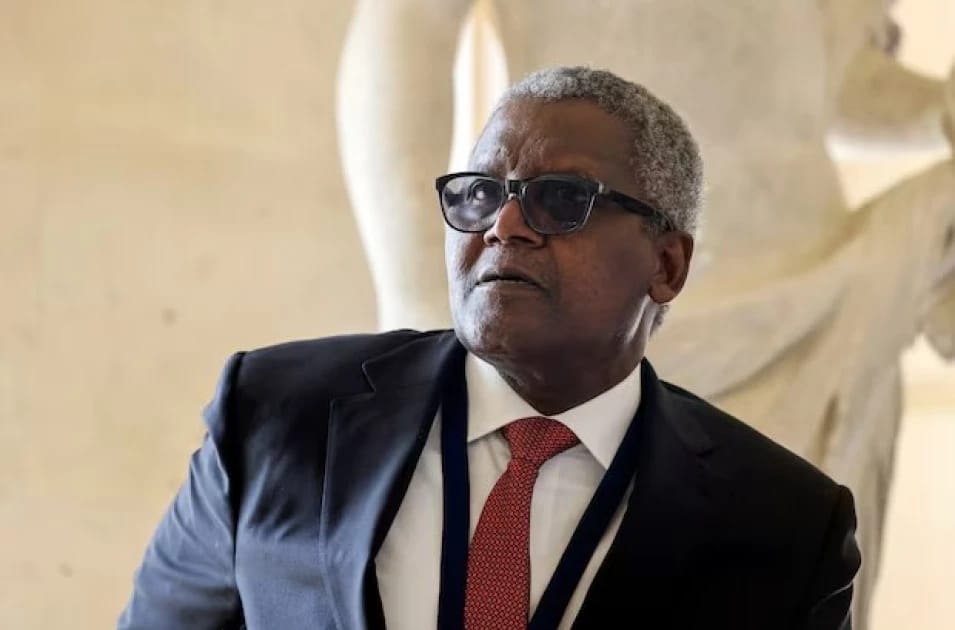
When Aliko Dangote breaks ground at Lamu on 30 September, the headlines will predictably fixate on billions of dollars, barrels per day, and regional equity. They should fixate on people. A 700,000-barrel-a-day refinery and its attendant marine terminal cannot run on steel and capital alone. They will demand pilots, engineers, operators, and technicians—in their thousands. The national question is stark: when those jobs materialise, will Kenyans hold the credentials to claim them, or will we once again watch expertise fly in while our graduates look on from the sidelines? That answer is being written now, in our maritime classrooms—and the window of opportunity is far narrower than most imagine.
Two distinct workforces will be required, and our institutions must be ruthlessly clear about which they serve. The first is the marine and port-interface cohort: marine pilots, tug masters, mooring and berthing crews, oil- and chemical-tanker officers, jetty and loading masters, tank-farm operators, marine surveyors, and oil-spill response teams. This is the maritime sector’s natural jurisdiction. The second is the process and petrochemical workforce: refinery operators, process engineers, welders, and pipeline and instrumentation technicians. That domain belongs more properly to our technical universities and TVET colleges. The smart strategy is not for every institution to chase every discipline, but for each to own its comparative advantage.
For the country’s maritime education and training institutions—and for the Kenya Maritime Authority (KMA) that regulates them—the prescription is identical: prepare now, and prepare together. The colleges should not wait to be courted. They should jointly map the refinery’s real skills demand and architect their programmes around it—specialised tanker endorsements for oil and chemical carriers, oil-spill response modules, and terminal and jetty operations, rather than generic seafaring curricula. They should divide labour instead of duplicating it: Bandari Maritime Academy and the Kenya Coast National Polytechnic anchoring the logistics Centre of Excellence; the Technical University of Mombasa and JKUAT concentrating on engineering; Mount Kenya University’s Malindi academy leveraging its proximity to Lamu with its new simulator for pilotage and tanker operations; and Coast International College, together with the Kenya School of Revenue Administration, covering the trade and customs cadre. This division effectively prefigures the proposed Centre of Excellence for Energy and Petrochemical Technologies at Lamu—a vision that deserves to be built, not merely debated.
The Authority, for its part, must lead rather than react. It should convene the institutions, fast-track accreditation for these new courses, harmonise standards, speak for the sector at the government committee coordinating the project, and—most critically—press for a binding local-content requirement that makes the use of Kenyan training providers a condition of the investment, not a courtesy extended after the fact. A regulator that waits for industry to organise itself will simply watch the training pipeline constructed around foreign providers instead.
What is missing is not enthusiasm but execution—and one bottleneck overshadows all others. Every year, Kenyan cadets graduate from these institutions only to discover they cannot complete the mandatory sea-time their certificates demand. Without that sea-time, they cannot be certified; without certification, they cannot be hired. This is the single most consequential constraint that the Lamu project could help dismantle. A refinery of this scale, with a dedicated crude terminal and a steady stream of tankers calling at the port, is precisely the kind of anchor that can offer structured cadet berths, internships, and onboard training—if the colleges negotiate for them now, and if they invest in the simulators that can substitute where real sea-time remains scarce.
None of this works without safeguarding standards. Instructors will themselves require tanker and terminal experience, so faculty development and international accreditation must come first. Programmes must be shielded from the political interference that has hollowed out good institutions before. Kenya is also pushing for full recognition on the International Maritime Organization’s White List—the roster of countries whose seafarer certificates are trusted worldwide. That status would allow our graduates to work not only at Lamu but across the global fleet. The refinery should accelerate that push, not distract from it.
The choice before us is stark, and it is imminent. Train now, through the three to four years of construction, and Kenya captures a lasting skills dividend that outlives the refinery itself—a generation of marine and industrial professionals who can serve Lamu, Mombasa, and the wider region. Wait until the plant is commissioned, and we will do what we have too often done: import the expertise and export the opportunity. The steel at Lamu is Dangote’s to raise. The workforce is ours to build. Our maritime colleges should not wait for an invitation.
Harry Arigi is a maritime consultant and MIHR. He comments on regional trade, maritime logistics, safety, pension, and development policy.