


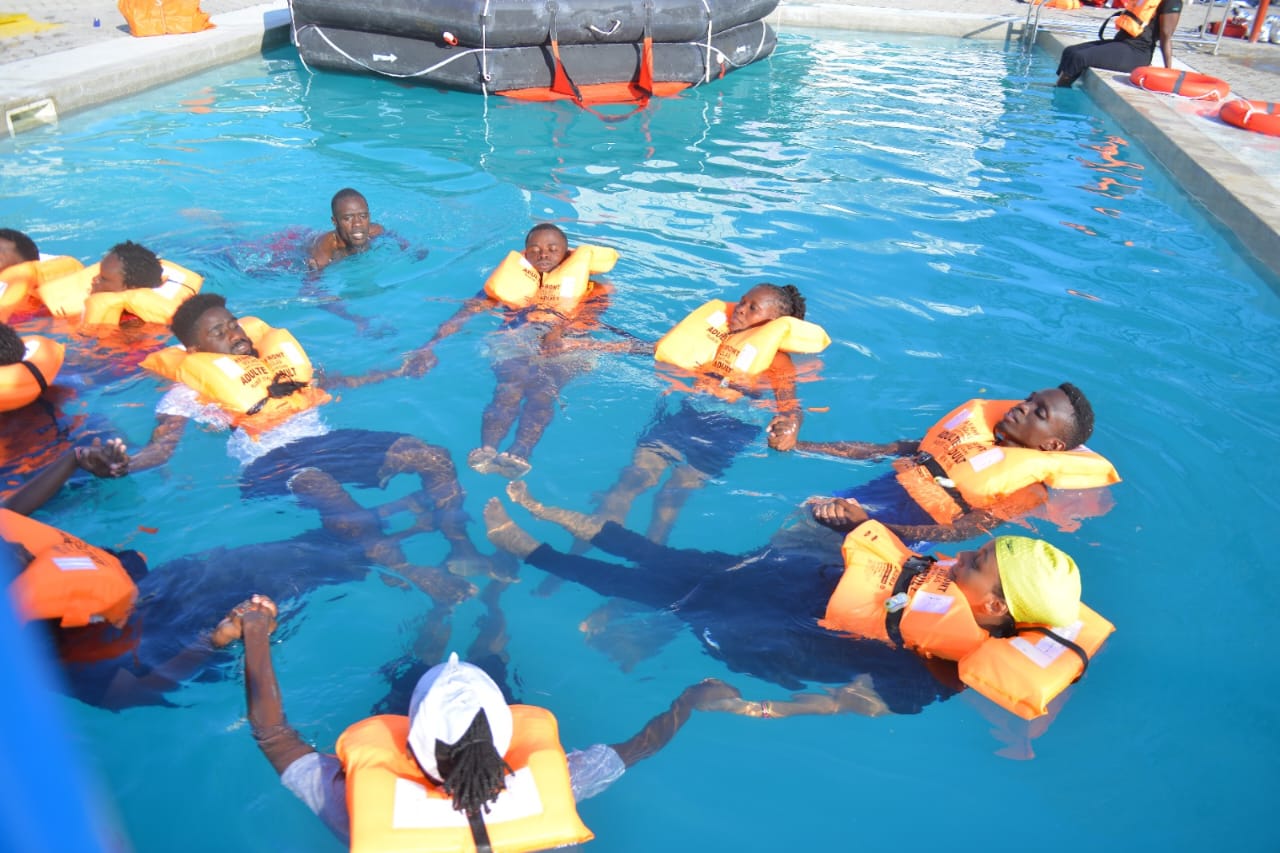
Kenya has set a bold target under the Vijana Baharia Programme: train 35,000 seafarers, with 14,500 expected to secure sea-time opportunities and roughly 20,900 to be recruited or placed. The numbers are eye-catching. With approximately 95 percent of Kenya’s international trade moving by sea, the logic is sound—grow local participation in shipping, capture more economic value from the maritime sector, and give young people a pathway into global jobs that pay in foreign currency and build skills that travel.
Yet the African Maritime Council’s recent post captures a hard truth that too often gets buried under the rhetoric of targets: training alone does not guarantee a career at sea. Limited sea-time and vessel placement opportunities remain the decisive bottleneck, compounded by a small number of Kenyan-flagged vessels, high certification costs, documentation delays, and fierce competition for maritime jobs. Without a deliberate strategy that stitches training to certification, sea-time, recruitment, and placement, the programme risks producing thousands of certified but stranded graduates.
This is not a new diagnosis. Kenya has steadily expanded Maritime Education and Training capacity. Bandari Maritime Academy has been positioned as a regional centre of excellence, additional institutions have been accredited, and partnerships with TVET colleges aim to convert mechanical, electrical, plumbing, and hospitality graduates into STCW-certified seafarers. The government has also negotiated placement deals—Norway aiming for 1,000 Kenyan seafarers by 2030, earlier arrangements with MSC and others, and efforts to secure cruise-ship roles. Youth Enterprise Development Fund products such as the Vijana Baharia loan have tried to ease pre-embarkation costs. These are real steps.
But the structural constraints remain stubborn. Sea-time is the non-negotiable requirement under the STCW Convention. Without documented time aboard vessels, certificates of competency cannot be completed, and international employers will not hire. Kenya’s merchant fleet is too small to absorb the volume of cadets now coming through the system. International shipping companies remain risk-averse; they prefer proven recruitment pipelines and familiar administrative processes. Kenyan cadets frequently face expensive placements abroad or long waits that drain family resources and erode motivation. Certification and documentation costs, even after some fee reductions, still shut out many young people from modest backgrounds. Delays in Seafarer Identity Documents and mutual recognition of certificates have cost placements in the past.
The economic stakes are higher than the employment numbers alone suggest. Remittances from seafarers working on foreign-flagged vessels already contribute to household incomes and foreign exchange. Scaling that contribution would strengthen the blue economy narrative that successive governments have promoted. It would also reduce dependence on foreign crews for the ships that move Kenya’s exports and imports. Yet every year that trained Kenyans remain ashore is a year of lost opportunity and wasted public and private investment in education.
A credible pathway requires coordinated action across several fronts. First, government, maritime academies, shipping companies, and recruitment agencies must treat sea-time as a national priority rather than an individual scramble. Structured cadet nomination systems, incentives for shipowners to take trainees, and accelerated mutual recognition agreements can expand the pool of available berths. Converting decommissioned naval vessels or securing donated training ships, as some partners have offered, would provide controlled, high-quality sea-time at a lower cost than relying solely on commercial vessels. Second, financial institutions and government loan schemes need to be calibrated to cover the full cost of the pathway—training, certification, documentation, and initial embarkation—not just tuition. Third, the regulatory environment must reduce friction: faster issuance of Seafarer Identity Documents, transparent oversight of recruitment agencies to prevent exploitation, and consistent quality assurance across all MET institutions so that Kenyan certificates command automatic respect abroad.
International partners matter. The programme will succeed only if shipping lines, flag states, and crewing agencies see Kenyan seafarers as reliable, well-trained, and administratively straightforward to employ. That requires sustained diplomacy, reliable data on graduate competence, and visible success stories. Regional cooperation—through frameworks that strengthen East African maritime labour mobility and cabotage arrangements—can also create intermediate opportunities closer to home.
Critics will argue that the targets are too ambitious given current placement rates, or that resources should prioritise shore-based blue-economy jobs with lower barriers. Both points deserve consideration. Yet the global seafarer labour market faces projected shortages in key ranks, and Kenya’s demographic profile and strategic location on major shipping routes give it a comparative advantage—if the pipeline is fixed. The alternative—continuing to train people for jobs they cannot reach—is more wasteful.
The African Maritime Council is right to insist that the strategy must build the full pathway. Numbers of trainees are a necessary input; they are not the outcome. The outcome is Kenyan seafarers on the bridge, in the engine room, and in the hotel departments of the world’s fleet, sending remittances home, gaining international experience, and gradually increasing Kenya’s stake in the industry that already carries nearly all its trade. Achieving that will demand more than announcements and training targets. It will demand sustained cooperation between government, academies, shipowners, financiers, and international partners to remove every unnecessary barrier between the classroom and the crew quarters.
Kenya has the youth, the institutions, and the geography. What it still needs is a seamless bridge from training to employment. Until that bridge is built and properly funded, the 35,000 target will remain an aspiration rather than a transformation.