


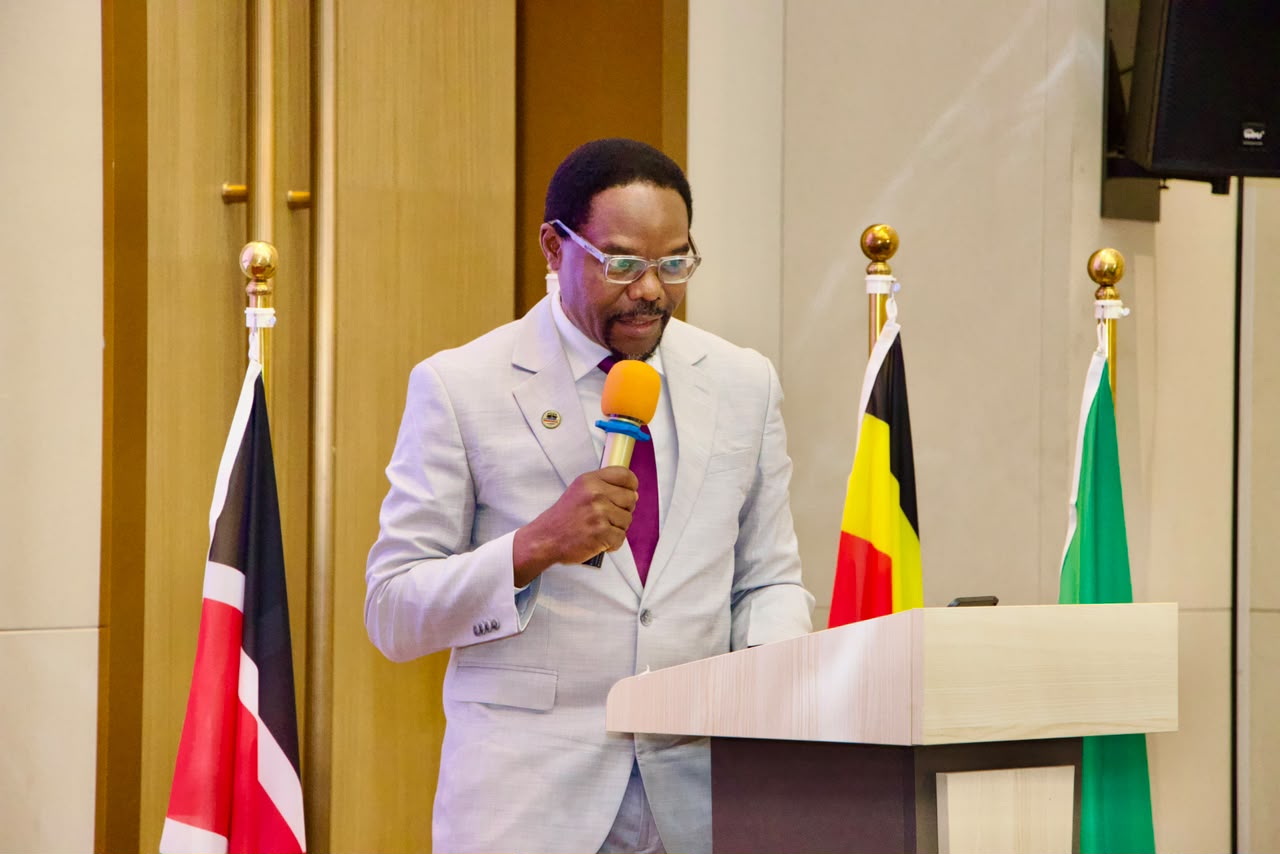
Uganda, a land-linked nation whose trade lifeline runs through Mombasa and Dar es Salaam, is preparing to host the 9th Association of African Maritime Administrations (AAMA) conference in Kampala next week. Amid the diplomatic choreography, the Ministry of Works and Transport has floated a pair of ambitious proposals: a Regional Maritime University to train young Africans for the global shipping industry, and a Regional Shipping Line to give East African cargo a more competitive path to the world’s oceans.
These ideas deserve serious scrutiny. Africa’s underrepresentation in the seafarer workforce is real and costly. The continent supplies only about 4 percent of the world’s seafarers despite a youthful population and vast maritime coastline and inland waters. Global demand remains robust; the BIMCO/ICS Seafarer Workforce Report 2026 estimates roughly 2.57 million seafarers worldwide, with continued growth in both officers and ratings. Asia dominates supply—the Philippines, India, China, and Indonesia—while Africa remains a marginal player. A genuine regional training institution that produces STCW-compliant officers and ratings could, in theory, open high-value jobs for young Ugandans and their East African peers, reduce dependence on foreign crews, and recycle hard-currency remittances into the local economy.
Yet ambition alone does not create institutions that international shipowners will hire from. East Africa already has functioning maritime education and training capacity. Kenya’s Bandari Maritime Academy in Mombasa has long served as a regional centre of excellence and is expanding international cadet placement partnerships. Tanzania’s Dar es Salaam Maritime Institute offers degree and professional programmes recognised under the STCW Convention. Kenya has additional approved institutions offering everything from basic safety courses to marine engineering degrees. In late 2026, ministers under the Maritime Organisation for Eastern, Southern and Northern Africa (MOESNA) selected Tanzania to host a new Maritime University of Eastern, Southern and Northern Africa under a hub-and-spoke model. Uganda’s proposal therefore enters a crowded and partially committed field. Without clear differentiation—specialisation in inland waterways, multimodal logistics, or specific officer pathways—and without guaranteed industry placements, a new university risks becoming another under-enrolled, under-resourced campus.
The parallel proposal for a Regional Shipping Line faces even steeper commercial realities. East African shippers already complain of high corridor costs—Uganda cites roughly $1.80 per container-kilometre on the Mombasa–Kampala route against a claimed global average nearer $1. Inland water transport on Lake Victoria offers a logical partial solution. Private operators are already running roll-on/roll-off services between Port Bell and Mwanza that cut transit times dramatically compared with road. Uganda is rehabilitating Port Bell, Jinja and Ntoroko ports, developing Bukasa Port, expanding its ferry fleet, and establishing search-and-rescue centres and a Maritime Survival Training Centre. These are sensible, incremental steps that address safety, reliability and connectivity for lakeside communities and bulk cargo. A state-led regional shipping line, however, would confront capital intensity, competition from established international carriers, and the governance challenges that have historically dogged African national shipping experiments.
The deeper opportunity lies less in replicating ocean-going fleets or building yet another university and more in leveraging Uganda’s inland waters as a genuine multimodal corridor. Lake Victoria, shared with Kenya and Tanzania, remains under-utilised for freight. Harmonised inland waterway policies, modern vessels, reliable schedules, and seamless transfer to rail and road could meaningfully lower logistics costs, decongest roads, and reduce emissions. The AAMA conference theme—“From Policy to Practice: Advancing Africa’s Maritime Transformation through Effective Governance, Innovation and Sustainable Blue Economy”—points exactly at this gap. Africa has produced charters, strategies and declarations; implementation and measurable results lag.
For Uganda, success will be measured by concrete outcomes rather than conference communiqués. Can the country secure industry partnerships that guarantee sea-time and employment for graduates of any new training programme? Will the Regional Shipping Line concept survive rigorous commercial and financial due diligence, or will it remain a political talking point? Will investments in Bukasa, Port Bell and ferry services translate into measurable reductions in corridor costs and increases in waterborne cargo volumes? And will Uganda use its host role to push for practical regional standards on inland waterways safety, cabotage, and multimodal documentation rather than simply restating continental aspirations?
The global shipping industry is short of qualified seafarers and hungry for lower-cost, reliable logistics options. Africa’s youth and water resources are real assets. But converting those assets into jobs and competitive advantage requires disciplined sequencing: first make the existing training institutions and inland ports work at international standards, then expand. A Regional Maritime University and a Regional Shipping Line can be part of that future—but only if they are designed as commercially viable, regionally coordinated instruments rather than national prestige projects. Hosting AAMA gives Uganda a platform. Turning the platform into lasting capacity is the harder, more important test.