


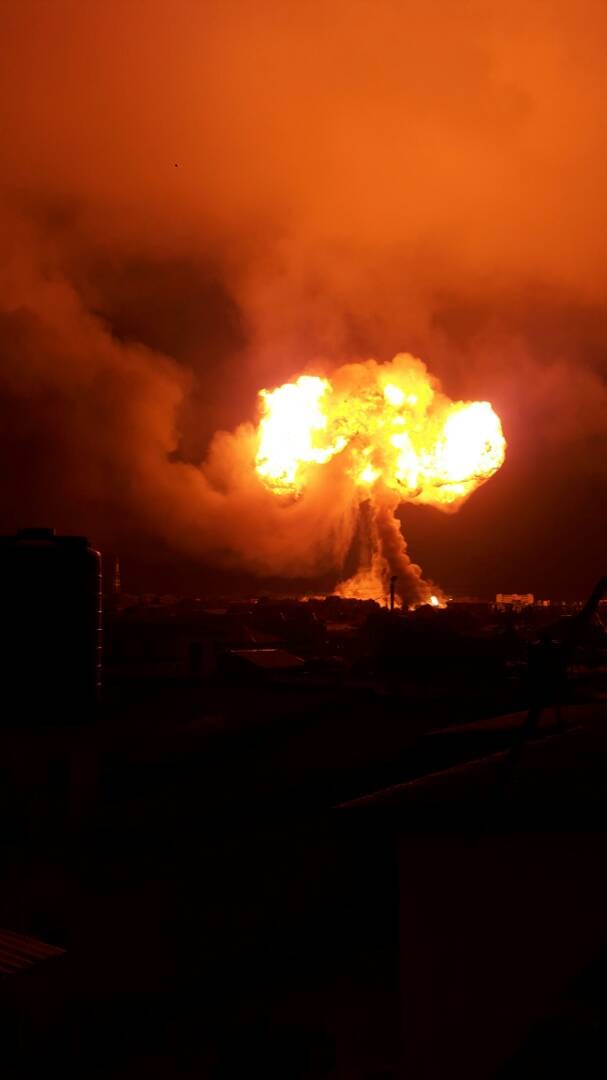
On November 23rd, 2026, the tranquility of the Port of Mombasa—East Africa’s premier trade gateway—was shattered by a tragic incident. A gas cylinder explosion at a food kiosk just outside the port’s perimeter resulted in a fire that claimed two lives. The Kenya Ports Authority (KPA) PLC’s subsequent statement offers a crucial window into how a critical national institution manages crisis, communicates tragedy, and frames its ongoing commitment to safety.
While the loss of two lives is an irreplaceable tragedy that demands our deepest sympathies, an analysis of the KPA’s response reveals a textbook example of institutional crisis communication, coupled with pressing questions about safety protocols in high-traffic commercial zones.
Rapid Response and Inter-Agency Coordination
The KPA’s press release highlights a rapid and coordinated emergency response. Upon receiving reports at approximately 1100 HRS, KPA’s firefighting and emergency teams were immediately deployed. Crucially, the statement emphasizes collaboration with the Mombasa County Fire Brigade and other security agencies. This inter-agency synergy is vital. Ports are inherently high-risk environments containing hazardous materials, dense infrastructure, and heavy machinery. A fire near the perimeter—even at a kiosk serving stakeholders—poses a severe threat of conflagration. The fact that the fire was contained and prevented from spreading to neighboring premises speaks volumes about the efficacy of the joint emergency protocols in place.
The Weight of Institutional Empathy
In corporate communications, how an organization handles fatalities defines its ethical standing. KPA’s statement extends its “deepest condolences to their families and friends during this challenging time.” This immediate acknowledgment of human loss is a critical component of compassionate leadership. It humanizes an institution often viewed solely through the lens of cargo tonnage and revenue generation. Furthermore, the Authority’s commitment to support the ongoing investigations by relevant agencies demonstrates a transparent, non-defensive posture—a hallmark of a mature organization.
Countering the Infodemic: The Call for Responsible Communication
Perhaps the most prescient aspect of the KPA’s statement is its plea for the public to refrain from spreading misinformation. In the age of instant social media, a localized incident at a major port can rapidly mutate into a narrative of catastrophic disaster. Misinformation can cause unnecessary panic, disrupt regional supply chains, and impede the work of first responders. By explicitly addressing the “infodemic” alongside the physical fire, KPA is proactively protecting public order and safeguarding the reputation of the port as a safe and reliable hub.
Lessons Learned and the Path Forward
While the KPA’s emergency response was commendable, this incident is a sobering reminder that safety is a continuous process, not a destination. The fact that an explosion occurred at a food kiosk near a high-security, high-risk zone raises legitimate questions. Does the zoning of commercial eateries near the port perimeter require tightening? Are the fire safety standards of these independent vendors stringently audited by county and port authorities?
As the investigative agencies work to establish the exact circumstances, KPA has reaffirmed its commitment to upholding “the highest standards of safety, security, and emergency preparedness across all its facilities.” This commitment must extend beyond the port’s gates to the immediate environs, ensuring that all stakeholders—from shipping magnates to the local food vendor—are operating within a unified safety framework.
Conclusion
The tragic fire outside the Port of Mombasa is a moment of profound grief. However, the KPA’s handling of the crisis—marked by swift containment, empathy, and an appeal for public calm—demonstrates resilience. As the port continues to facilitate international trade, this incident serves as a vital stress test of its emergency systems and a reminder that in the maritime world, proactive safety culture and transparent communication are not just policies; they are moral imperatives.