


The transportation and storage sector, which comprise a critical backbone of Kenya’s economy, delivered a mixed performance in 2025, according to the newly released 2026 Economic Survey.
The Survey released by Treasury CS John Mbadi shows that while road, rail, and port activities expanded significantly, the air transport sub-sector experienced a sharp contraction, revealing shifting dynamics in how goods and people move across the country.
In overall, the transportation and storage sector slowed in growth when compared to the previous year.
The sector’s real Gross Value Added (GVA) grew by 3.7% in 2025, down from 4.3% growth in 2024. However, despite the slowdown, the sector remained a major contributor to the national economy, accounting for 11.8% of Kenya’s GDP – second only to agriculture.
The CS exuded positivity saying the economic was resilient and that “sectoral performance and reforms” imply future steady growth in the 2026/2027 period. The report was released on Wednesday of April 29, 2026 in Nairobi.
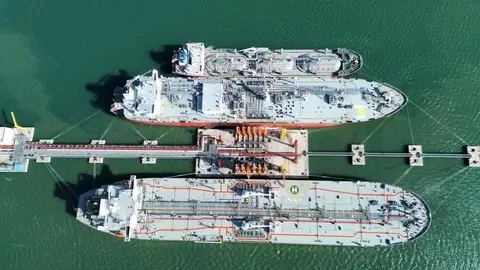
The Survey Report shows that the Port of Mombasa, East Africa’s busiest gateway, handled 45.59 million metric tonnes of cargo – an 11.2% increase from 2024.
Total imports grew by 20.1%, while transit cargo to neighboring countries expanded by 19.5%.
Uganda remained the dominant transit destination, accounting for 68.7% of all transit traffic.
Container traffic rose 5.5% to 2.11 million TEUs (Twenty-foot Equivalent Units), supported by a 4.4% increase in ship calls.
Road transport continues to dominate, contributing 75.7% of the sector’s total value added. The number of newly registered motor vehicles and motorcycles surged by 47.9% to 395,235 units in 2025.
The sharp increase was driven by the clearance of backlog registrations by the National Transport and Safety Authority (NTSA) and improved vehicle financing.
However, more vehicles also meant more crashes. Reported road traffic accidents rose by 4.2% to 11,638, resulting in a 2.7% increase in casualties to 24,905.
Fatalities climbed 5.5% to 5,009 – an average of nearly 14 deaths per day. This underscores the urgent need for enhanced road safety enforcement.
The Standard Gauge Railway (SGR) recorded impressive growth. Cargo volumes rose by 12.3% to 7.33 million tonnes, while cargo revenue jumped 19.1% to KSh 16.6 billion.
Passenger numbers on the SGR increased by 11.6% to 2.73 million, with revenue up 17.0% – a clear sign that the SGR is becoming the preferred option for both freight and passenger movement.
In contrast, the older Meter Gauge Railway (MGR) saw cargo revenue decline by 2.7% despite a 5.2% increase in cargo tonnage, hurt by the appreciation of the Kenya Shilling which lowered dollar-denominated tariffs.
The most concerning trend was in air transport. Passenger traffic declined by 1.2% to 12.68 million passengers, breaking a steady post-pandemic recovery. Both international and domestic passenger numbers fell slightly.
More dramatically, the value of output from air transport plunged by 12.9%, and the sub-sector’s real GVA contracted by a staggering 43.7%. This was partly attributed to reduced cargo yields and operational disruptions.
However, cargo handled at airports rose by 12.5% to 419,752 tonnes, with Jomo Kenyatta International Airport (JKIA) handling over 97% of all air freight. Aircraft movements also increased by 5.3%, driven largely by a 12.5% rise in overflights.
Pipeline transport of white petroleum products rose by 8.0% to 9.19 million cubic metres, supported by higher transit volumes to neighboring countries.
Grain storage leased out by the National Cereals and Produce Board (NCPB) increased sharply – from 23.95 million to 38.16 million 50-kg bags – indicating improved commercial utilization of silos.
The data which is compiled by the Kenya Bureau of Statistics and issued by the CS Treasury every year, few weeks before the national budget reading, points to a transport sector that is rapidly evolving but facing critical challenges
Whereas the sector’s growth of 3.7% is moderately significant, it is held back by the air transport slump. Nevertheless, if rail and port momentum continues, and road safety improves, transportation could contribute bigger share of national growth.
The national economy (GDP), when all sectors are aggregated, grew by 4.6 per cent in 2025 down from 4.7 per cent in 2024. The CS has attributed this to a number of factors both in the domestic as well as foreign scene.