


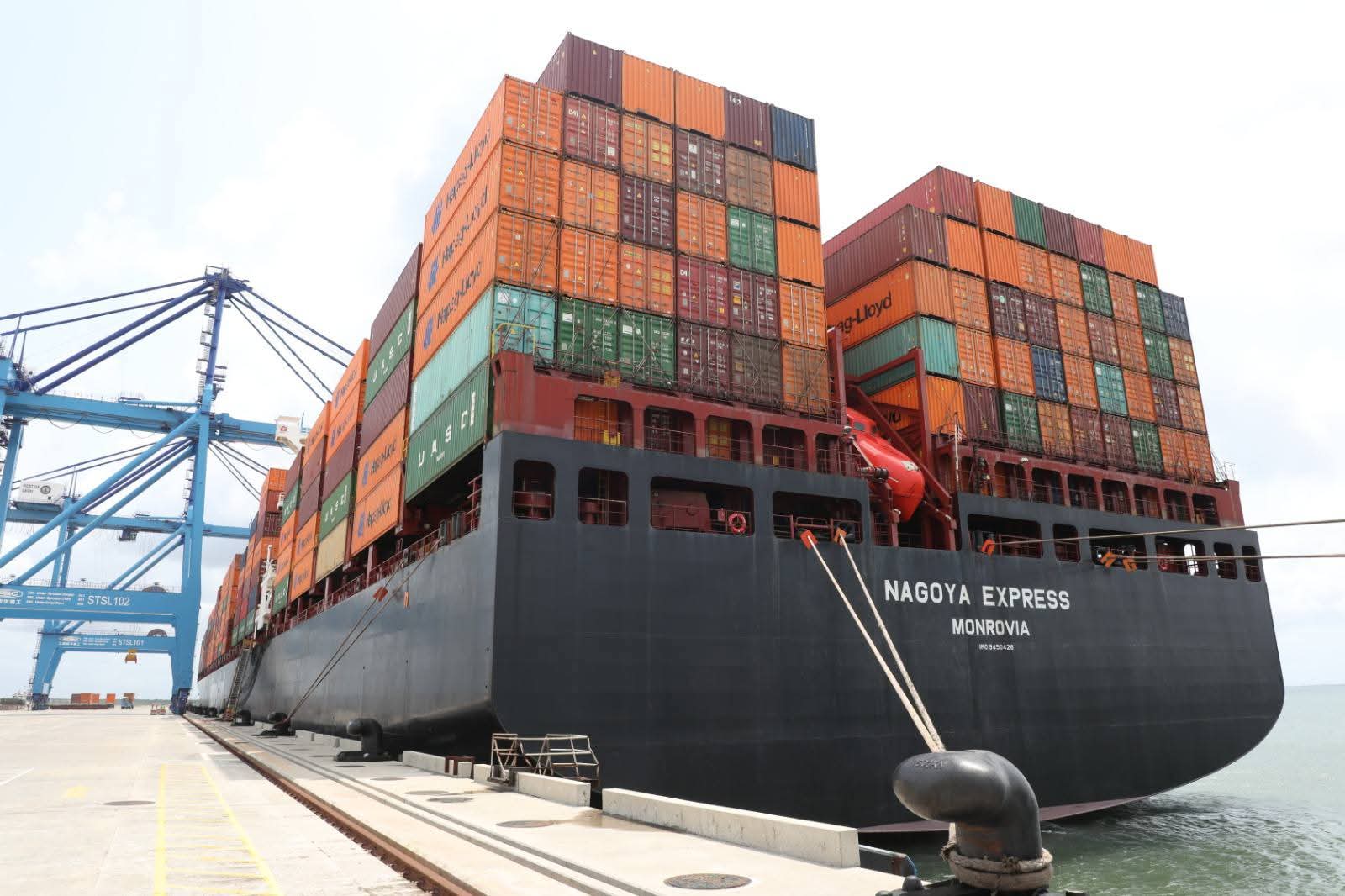
As of early 2026, Lamu Port has stepped decisively out of the shadow of promise and into reality. Cargo throughput exploded from 74,380 metric tonnes in 2024 to 799,161 metric tonnes in 2025—a staggering 974 percent leap.
Car carriers and container vessels, diverted from troubled routes, now routinely call at Manda Bay; 43 docked in the first three months of 2026 alone. Transport Cabinet Secretary Davis Chirchir declared the port “fully operational” earlier this year, and Phase 1’s three deep-water berths handle Panamax and Post-Panamax vessels with ease.
Kenya Ports Authority (KPA) incentives—60 days of free storage and competitive handling charges—are clearly working. LAPSSET is no longer a distant blueprint. It is moving cargo, creating jobs, and positioning Lamu as East Africa’s emerging transshipment powerhouse.
Yet amid the roar of ship horns and the hum of cranes, a quieter truth remains unspoken in too many boardrooms and planning sessions: hardware without hearts fails. Ports are not just berths and breakwaters.
They are ecosystems of human beings—seafarers far from home for months, long-haul truck drivers battling fatigue on the LAPSSET corridor, cleaning crews handling hazardous residues, clearing and forwarding agents racing against customs deadlines, ship agents and super cargo officers coordinating complex logistics, boarding officers and operation managers ensuring regulatory compliance, and port captains or shore captains bearing ultimate responsibility for vessel safety.
If Lamu is to fulfil its long-term vision of 23 to 32 berths and become the preferred Indian Ocean hub it was designed to be, Kenya must now build the human infrastructure to match its impressive physical counterpart. The good news? Private investors have a clear, profitable role in hospitality—hostels, coffee shops, and support services—that can turn welfare from obligation into genuine opportunity.
International standards already demand this focus. Kenya ratified the Maritime Labour Convention (MLC) 2006 more than a decade ago, committing to provide shore-based welfare facilities that are accessible, non-discriminatory, and adequate for seafarers’ health, recreation, dignity, and family contact.
Seafarers endure isolation at sea. When their vessel docks at Lamu, they need far more than a security gate and a hurried taxi. They deserve a dedicated Seafarers’ Welfare Centre offering reliable Wi-Fi, comfortable lounges, counselling services, multi-faith quiet rooms, basic medical support, and safe, efficient shuttles into town or nearby accommodation. Without these, crew morale suffers, retention falters, and shipping lines quietly steer toward more welcoming ports.
The same principle applies to the long-distance truck drivers who will soon swarm the new highways and rail links of the LAPSSET Corridor. Secure, well-lit truck parking areas (“bullpens”), clean restrooms with showers and laundry, driver lounges with seating and air conditioning, and 24-hour access to healthy food are not luxuries—they are essential fatigue-management tools that prevent accidents and keep the regional supply chain reliable and safe.
Cleaning crews face their own occupational hazards and require dedicated decontamination stations, PPE storage, on-site health support, and proper hazardous waste handling. Clearing and forwarding agents, ship agents, super cargo officers, boarding officers, operation managers, and port or shore captains need modern business centres near the port headquarters, equipped with high-speed internet, meeting rooms, printing facilities, and real-time access to port systems for swift coordination with pilots, customs, and immigration.
Seafarers’ welfare organisations should have integrated office space and outreach vehicles to visit ships efficiently. These are operational necessities: they shorten turnaround times, reduce risks, and enhance Lamu’s reputation in a fiercely competitive global market.
This is precisely where visionary private investment becomes indispensable. Lamu’s rapid growth—combined with the historic island’s tourism appeal—creates strong, sustained demand for quality yet affordable hospitality.
Investors should channel capital into purpose-built hostels and guesthouses within easy shuttle distance of the port gates, offering secure, air-conditioned rooms, laundry services, and dependable internet tailored to crew changes and driver rest periods.
Coffee shops and quick-service eateries—operating extended or 24-hour schedules, blending familiar international fare with authentic Swahili and Kenyan staples—would naturally evolve into social and business hubs for agents sealing deals, welfare workers supporting crews, and drivers taking mandated breaks.
These hospitality investments can be bundled with complementary services such as mini-marts, currency exchange, and small fitness areas, creating a vibrant, people-friendly ecosystem that serves the port while delivering strong commercial returns. Early signs of this potential are already visible on the mainland around Mokowe, Hindi, and Mpeketoni, where port-related activity has spurred growth in guesthouses and small accommodations.
The economics speak for themselves. As more berths come online and transshipment volumes for smaller Indian Ocean ports increase, port-related human traffic will only accelerate.
Public-private partnership (PPP) models, already under discussion for Lamu’s remaining infrastructure and the Special Economic Zone, should be extended to hospitality and welfare support facilities.
Lamu County Government and KPA can accelerate progress by fast-tracking suitable land allocation, offering targeted incentives, and integrating these developments thoughtfully into the port-city master plan—ensuring clear separation between industrial zones and mixed-use townships while respecting Lamu’s fragile marine environment and rich Swahili heritage.
Well-designed facilities, incorporating solar power, water conservation, and local labour, can support both sustainability and job creation. A rested seafarer becomes an ambassador for Lamu. A satisfied truck driver returns more efficiently. A thriving hospitality sector contributes taxes that help fund further expansion. Neglecting the human side, by contrast, risks dissatisfaction, delays, higher insurance costs, and reputational harm.
Kenya stands at a historic inflection point. While Mombasa continues to set records (handling 45.45 million tonnes in 2025), Lamu’s deep draft and strategic location give it a unique edge in an era of Red Sea disruptions and global supply-chain rebalancing.
Recent parliamentary calls to tap the National Infrastructure Fund for equipment and expansion are welcome, but that same urgency must now extend to human-centred infrastructure.
Updating the master plan, convening a multi-stakeholder Port Welfare Committee (involving unions, shipowners, welfare groups, and private investors), and launching a focused investment roadshow for hospitality PPPs would send the right signals.
Lamu Port was never intended to be merely another cargo terminal. It was conceived as the gateway that would unlock northern Kenya, connect landlocked neighbours, and power Vision 2030. Its berths are rising. Its cargo is surging. Now is the moment to ensure its soul keeps pace. By prioritising dedicated facilities for seafarers, drivers, cleaning crews, clearing and forwarding agents, ship agents, super cargo officers, boarding officers, operation managers, and port or shore captains—and by actively inviting investors to build the hostels, coffee shops, and support services that make a port truly welcoming—Kenya can create something remarkable: not just East Africa’s largest deep-sea hub, but its most humane and people-centred one.
The ships are already docking. The question is whether Lamu will greet their crews and the entire maritime workforce with cranes alone—or with the warmth, dignity, rest, and opportunity that turn one-time visitors into long-term partners.
The answer will determine whether LAPSSET becomes a corridor of concrete or a true corridor of shared prosperity. Kenya should choose the latter. The investment case is clear. The time is now.
(Andrew Mwangura is a maritime analyst and commentator on port development, shipping, and the blue economy in East Africa. Email: mwangura@maritimebizreview.com)