


For nearly a decade, the world convinced itself that Somali piracy had been defeated. International naval patrols, armed guards aboard merchant ships, and tighter maritime security measures pushed hijackings off the front pages. The high-risk area in the Indian Ocean shrank. Insurance premiums fell. Governments declared success.
That success was premature.
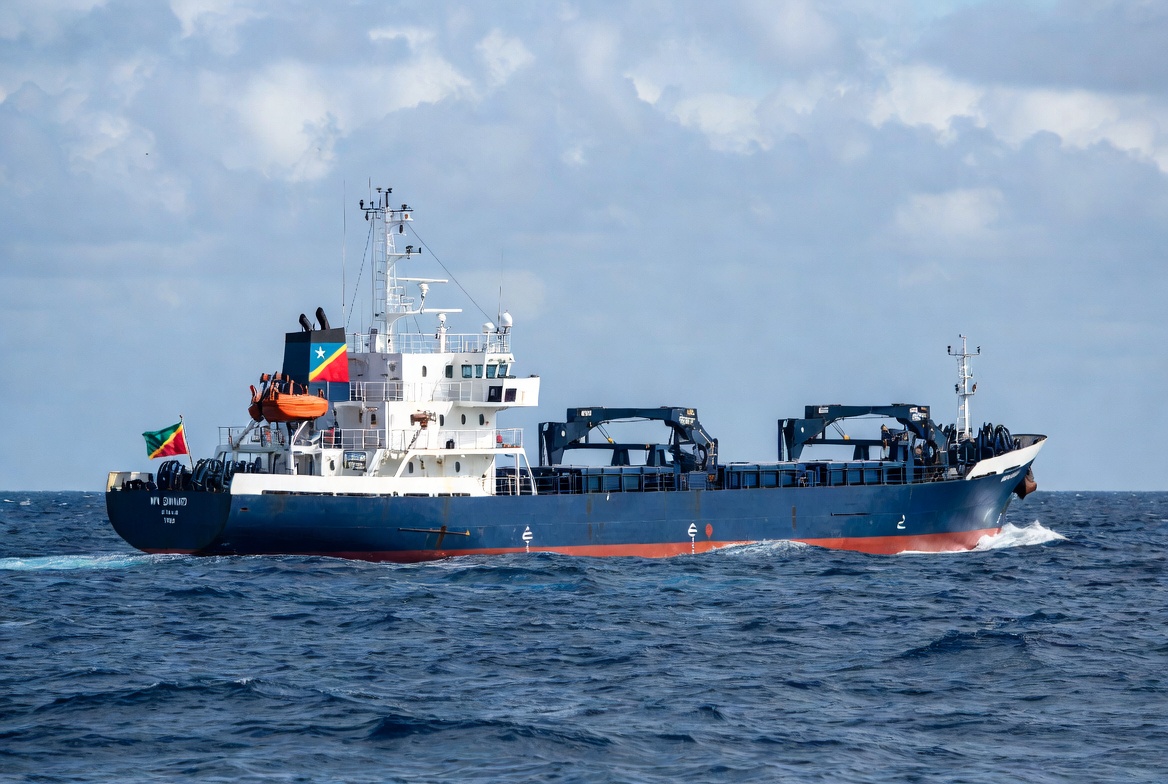
Since mid-April 2026, Somali Pirate Action Groups have launched a coordinated wave of hijackings across the Horn of Africa. Four vessels have been seized within three weeks. Two remain held off the Puntland coast: the product tanker MT Honour 25 with 17 crew members aboard, and the cargo vessel MV Sward carrying 15 seafarers. Another tanker, MT Eureka, was hijacked near Yemen before being moved into Somali waters. Attacks have now been reported more than 500 nautical miles offshore, prompting the United Kingdom Maritime Trade Operations (UKMTO) to raise the threat level to “severe” for the first time since 2023.
This is not a replay of 2011. It is a reminder that piracy was never eliminated—only suppressed.
The resurgence has emerged from a widening security vacuum. International naval resources that once concentrated on the Somali Basin have shifted toward countering Houthi attacks in the Red Sea and monitoring escalating tensions involving Iran and Israel. Somali piracy has always thrived on distraction and geopolitical fragmentation. As the naval presence thins, Pirate Action Groups are once again exploiting the gaps—using hijacked fishing dhows as motherships and targeting oil tankers at a time when global crude prices remain elevated. The calculations are simple: high reward, reduced deterrence, limited risk of interception.
What is unfolding today is less about sophisticated new pirate capabilities than restored operational freedom. That reality should deeply concern policymakers who mistook temporary suppression for permanent victory.
Behind the statistics lies a growing humanitarian crisis. More than 30 seafarers are being held hostage in harsh and uncertain conditions. Reports from Honour 25 indicate crew members surviving on contaminated water and minimal food. Families of Pakistani sailors have begun public protests outside ports in Karachi, while relatives of Syrian and Indian crew members aboard Sward have reportedly lost all communication with their loved ones.
Hostage-taking is not a side effect of piracy. It is the core business model. Every successful hijacking reinforces the profitability of kidnapping seafarers and increases the danger facing every crew transiting the Gulf of Aden and western Indian Ocean. Maritime labor cannot continue paying the price for international complacency.
The danger extends far beyond commercial shipping. Somali piracy has never existed in isolation from the wider security environment. The networks financing pirate operations overlap with arms trafficking, smuggling syndicates, and extremist groups across the Horn of Africa. As instability intensifies in the Red Sea corridor, piracy revenues risk strengthening armed actors who already threaten regional security. Emerging intelligence suggesting operational cooperation between Somali criminal networks and Houthi-aligned elements should alarm governments across the region. What begins as maritime crime can quickly evolve into a broader counterterrorism challenge.
Yet the international response remains largely reactive. European naval forces, the Combined Maritime Forces, and Somali authorities continue to monitor the situation—but monitoring alone does not deter armed hijackers operating hundreds of miles offshore. The lessons from the 2008–2012 piracy crisis were clear: sustained naval deployments, aggressive prosecution of pirate financiers, and economic stabilization of coastal communities dramatically reduced attacks. Over time, however, those measures weakened as global attention shifted elsewhere.
The current resurgence demands immediate corrective action. Naval patrols must return in force to the Somali Basin and Puntland coastline, even if temporarily. Governments must target the financial networks sustaining piracy through coordinated asset seizures and prosecutions aimed at facilitators operating in regional commercial hubs. Somali regional administrations require direct support to secure coastal towns where hijacked vessels are anchored. Shipping operators must also face stricter enforcement of Best Management Practices and insurance-linked security obligations to prevent cost-cutting at the expense of crew safety.
The economic consequences of inaction will escalate rapidly. Every hijacked tanker increases insurance premiums, rerouting expenses, cargo delays, and crew welfare costs. Every successful operation emboldens the next attack. At a moment when the Red Sea corridor is already under immense pressure and the Strait of Hormuz remains volatile, the global trading system can ill afford another prolonged maritime security crisis in the western Indian Ocean.
Piracy off Somalia is not inevitable. It flourishes when states reduce vigilance and when sections of the shipping industry begin treating maritime security as optional rather than essential. The events of 2026 should finally bury the dangerous illusion that Somali piracy can remain permanently dormant without sustained international commitment.
The world still has an opportunity to contain this resurgence before it spirals into another full-scale crisis costing the global economy billions of dollars annually. Today, only a handful of vessels and hostages are involved. Delay action for another six months, and the numbers may multiply dramatically.
The sea does not forget neglect. Neither should the international community.